
The Duchess of Malfi
2014
No user ratings available yet
Representation score: 7.7 out of 10
Representation Score
Fair
1993
Not RatedDirector
Peter Greenaway
Runtime
122 minutes
Average Rating
No ratings yetNew Showbiz Analysis
Peter Greenaway’s work serves as a postmodern deconstruction of historical and religious structures. The film prioritizes the examination of institutional power and sexual norms over demographic diversity. While the film lacks racial diversity due to its 15th-century European setting, it excels in cultural critique. It replaces traditional sanctity with a landscape of moral ambiguity and identity-driven power struggles. Ultimately, the film's strength lies in its subversion of authority. It uses queer subtext and religious satire to challenge traditional hierarchies of the West.
Category Breakdown
The film uses homoeroticism to challenge traditional monastic ideals. It focuses on same-sex desire and the physical male form to disrupt established religious hierarchies.
The film takes place in a male-dominated environment where women's ability to drive the story is limited. However, it subverts traditional masculine leadership by depicting religious figures as hypocritical and ineffective.
The cast is primarily white, reflecting the historical European setting. There is no indication of diverse ethnic casting or race-bent roles.
The narrative provides a deep critique of Western institutional power. It portrays the Church as a site of systemic corruption, violence, and carnal excess.
The film explores physical deformities and bodily excess. However, these elements seem to be stylistic or allegorical choices rather than intentional representations of disability.
Present on Screen
Limited or Absent
Official Synopsis
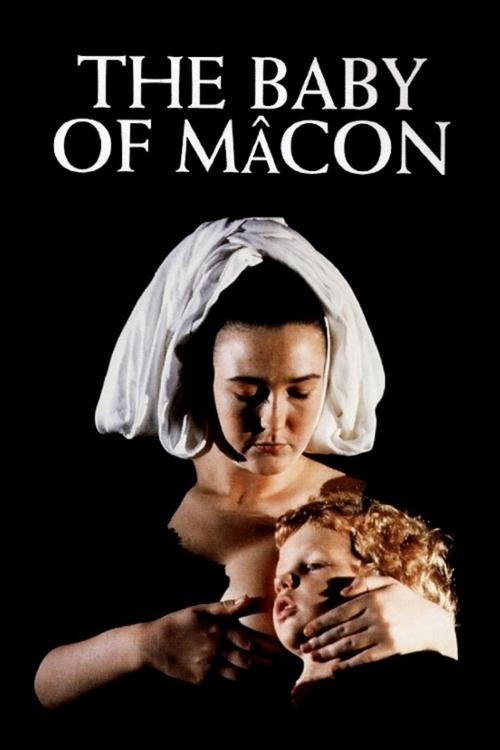
In 17th-century Tuscany, a church play is performed for the benefit of young aristocrat Cosimo. In the play, a grotesque old woman gives birth to a beautiful baby boy. The child's older sister is quick to exploit the situation, selling blessings from the baby, and even claiming she's the true mother by virgin birth. However, when she attempts to seduce the bishop's son, the Church exacts a terrible revenge.
2014
1943
1987
1963
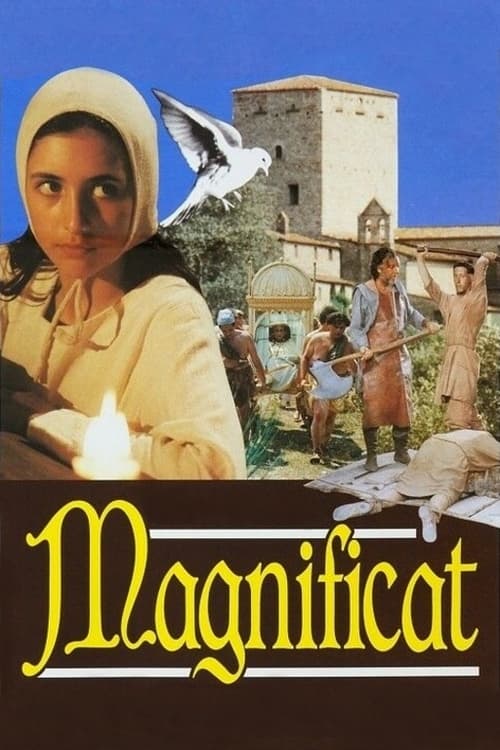
1993
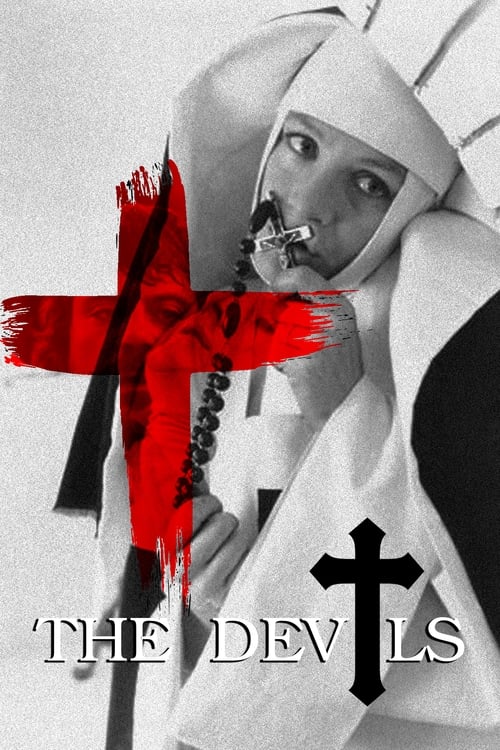
1971
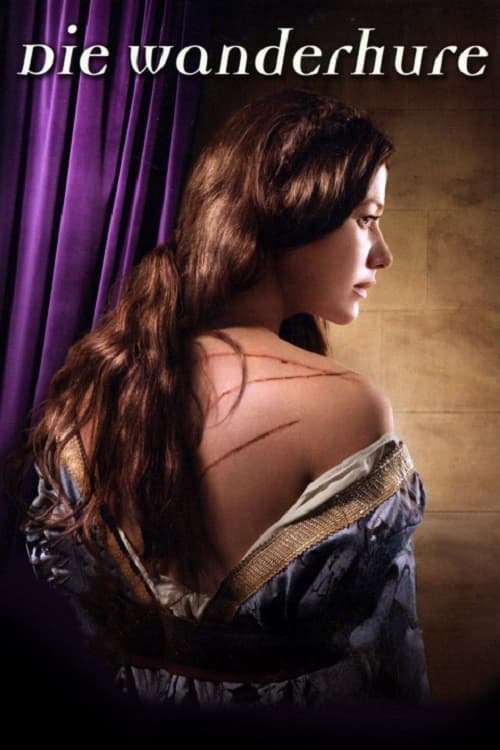
2010
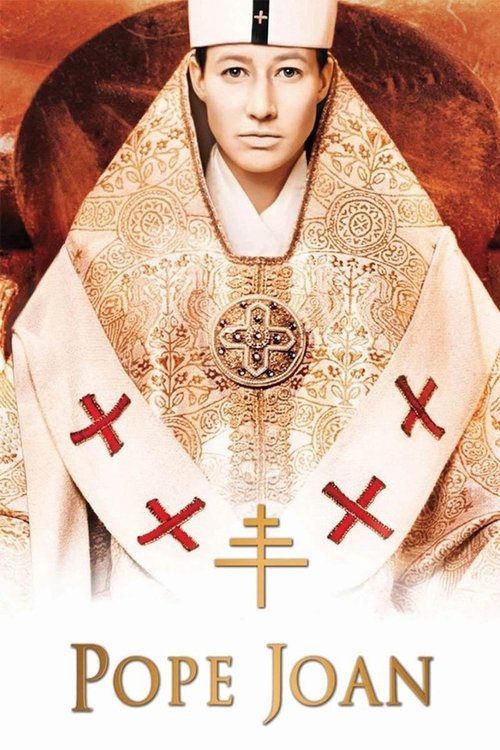
2009
No reviews yet. Be the first to share your thoughts on this movie!
Use the rating form above to leave a star rating and optional review.