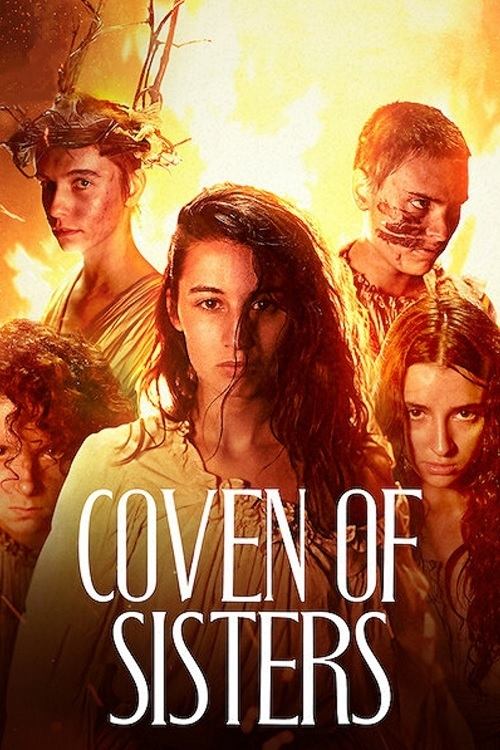
Coven
2020
No user ratings available yet
Representation score: 6.8 out of 10

Representation Score
Excellent
1984
Director
Pedro Olea
Runtime
97 minutes
Average Rating
No ratings yetNew Showbiz Analysis
Akelarre is a powerful film that revisits history by focusing on female empowerment against institutional violence. It effectively dismantles patriarchal and religious hierarchies by portraying the Inquisition as a corrupt system of control. The film stands out for its cultural specificity and its challenge to traditional gender roles. By emphasizing the collective social structure of women, it highlights systemic oppression. However, the film's historical context limits its scope, lacking explicit LGBTQ+ representation and nuanced portrayals of disability. It emphasizes the trauma of torture rather than the lived experiences of disabled characters.
Category Breakdown
The film does not include explicit depictions of same-sex relationships or non-binary gender identities. It explores the idea of challenging traditional gender roles through witchcraft but does not feature any clear LGBTQ+ character stories.
The story focuses on a community led by women who challenge traditional hierarchies. Women play key roles in driving the narrative, while masculinity is shown through the Inquisitors as a force of destructive violence.
The cast is mostly white, reflecting the historical setting of 17th-century Navarre. However, the film offers a detailed look at Basque culture as a form of resistance against oppression.
The film critically examines the Catholic Church, presenting the Inquisition as a tool of state terror. It contrasts church doctrine with the everyday practices of local traditions.
The film depicts physical and psychological trauma to highlight the cruelty of state-sanctioned torture. These elements serve as plot devices to emphasize antagonist actions rather than providing nuanced portrayals of disability.
Present on Screen
Limited or Absent
Official Synopsis
A small village in Navarre, Spain, XVII century. Garazi's grandmother is burned at the stake when accussed of being a witch and convicted by an inquisitor, something that brings Garazi under suspicion and eventually into prison, where she is atrociously tortured and humiliated.
2020
1943

1974
1993
2011

1968

2016

1971
No reviews yet. Be the first to share your thoughts on this movie!
Use the rating form above to leave a star rating and optional review.