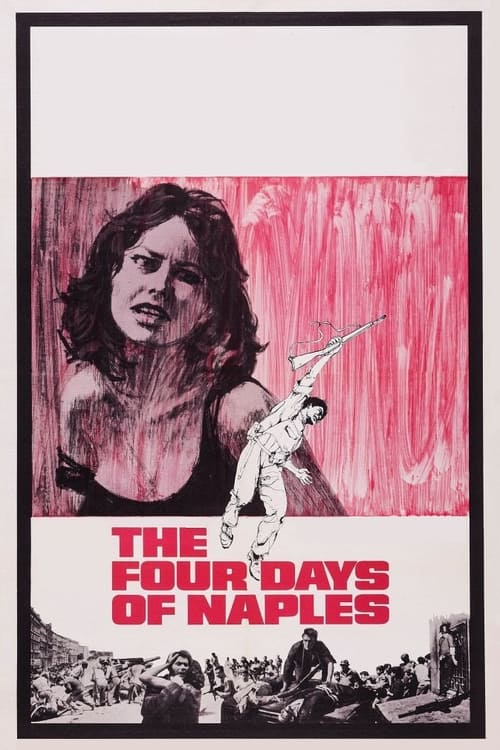
The Four Days of Naples
1962
No user ratings available yet
Representation score: 4.5 out of 10
Representation Score
Limited
2000
Director
Guido Chiesa
Runtime
135 minutes
Average Rating
No ratings yetNew Showbiz Analysis
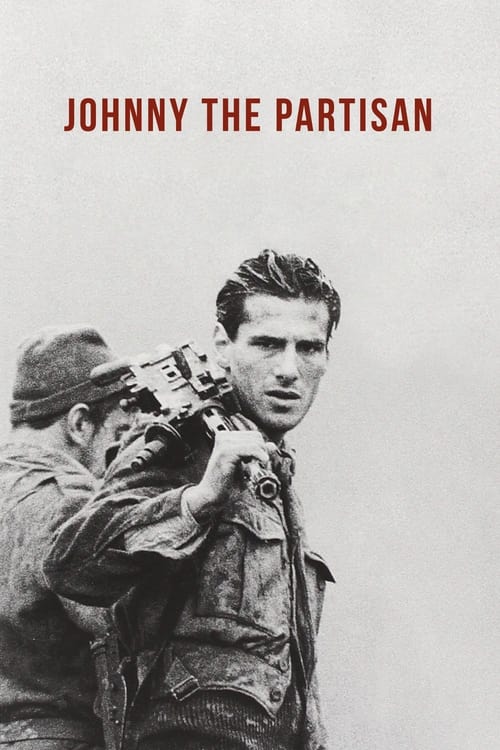
Johnny the Partisan serves as a deconstruction of historical mythos rather than a study of contemporary identity politics. It avoids the romanticized clichés of wartime patriotism, opting instead for a realistic view of systemic collapse and individual disillusionment. The film's strength lies in its narrative skepticism. It rejects singular, heroic morality in favor of a complex, situational understanding of conflict, particularly through the protagonist's disillusionment with organized political factions. However, the film adheres to traditional wartime demographics. It lacks representation for LGBTQ+ identities and women's ability to drive the story, focusing almost exclusively on the male experience of political mobilization and combat.
Category Breakdown
The film does not include explicit representations of LGBTQ+ identities or relationships that go beyond the assumption that everyone is straight. The narrative focuses on political and existential struggles within the resistance movement.
The story emphasizes a masculine framework centered around combat and ideological struggle. It follows Johnny's journey through partisan bands, with little evidence of female characters taking significant roles or challenging traditional gender hierarchies.
The setting reflects the historical demographics of the Mediterranean theater during 1943. The narrative focuses on internal Italian conflicts and German occupation, maintaining a localized and historically accurate perspective.
The film challenges romanticized nationalist myths of the Resistance by portraying the war as a messy, disillusioning experience. It questions traditional institutions and the idea of clear-cut heroic morality.
There is no mention of characters navigating physical or neurodivergent disabilities within the narrative.
Present on Screen
Limited or Absent
Official Synopsis
After the 8th September 1943 north of Italy is occupied by Germans. Italian army collapsed and the soldiers are escaped to the mountains trying to set up a resistance. Many civilians did the same and Johnny, an English literature student, is among them. Johnny avoids to band together the red partisans (communists) and tries to be part of the azure bands (former regular soldiers). But in both cases he is deluded by the partisan bands and discovers that the partisan war is less poetic and genuine that he thought. At one point anyway the partisans free Alba from Germans. When the city falls again in German hands Johnny escape with Ettore and Pierre. But, one after another, German army and Italian fascists captures the partisans and Johnny will pass the winter alone and isolated. He then finds the way to participate to one of the last attack to occupants, in fact the war will be over two months later.
1962
1945
1951
1946
1998
2004

1955
1963
No reviews yet. Be the first to share your thoughts on this movie!
Use the rating form above to leave a star rating and optional review.