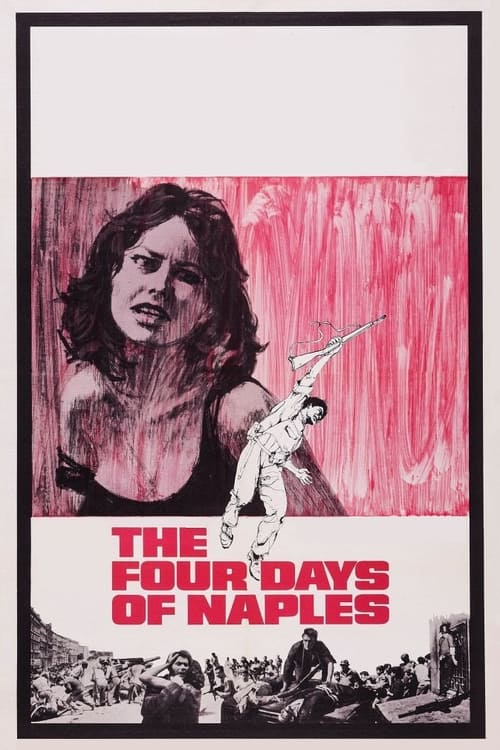
The Four Days of Naples
1962
No user ratings available yet
Representation score: 4.5 out of 10

Representation Score
Minimal
2004
Director
Ari Taub
Runtime
106 minutes
Average Rating
No ratings yetNew Showbiz Analysis
The film functions as a traditional historical war drama that prioritizes period-accurate hierarchies over social subversion. Its narrative structure centers on the geopolitical and paramilitary conflicts of the Gothic Line, which naturally limits the scope of diverse representation. While the film captures the ethnic tensions of the 1940s European theater, it lacks depth in representing multiple aspects of identity. The focus remains strictly on the conventional archetypes of wartime combatants, resulting in a narrow portrayal of the human experience during World War II.
Category Breakdown
The film focuses on the strict, traditional structures of mid-20th-century wartime combat. It does not depict non-traditional gender identities or same-sex relationships.
The story follows conventional gender hierarchies, emphasizing male-dominated paramilitary structures. Female characters have limited roles and do not challenge traditional masculine leadership.
The cast reflects the ethnic realities of the 1940s European theater. It portrays a multi-ethnic conflict between Germanic and Mediterranean forces within historical demographic constraints.
The story operates within the framework of established historical and nationalist interests. It uses standard historical clichés of resistance rather than exploring modern secular themes.
The film does not focus on neurodivergence, physical disabilities, or mental health issues. Characters are defined almost exclusively by their combat utility and factional roles.
Present on Screen
Limited or Absent
Official Synopsis
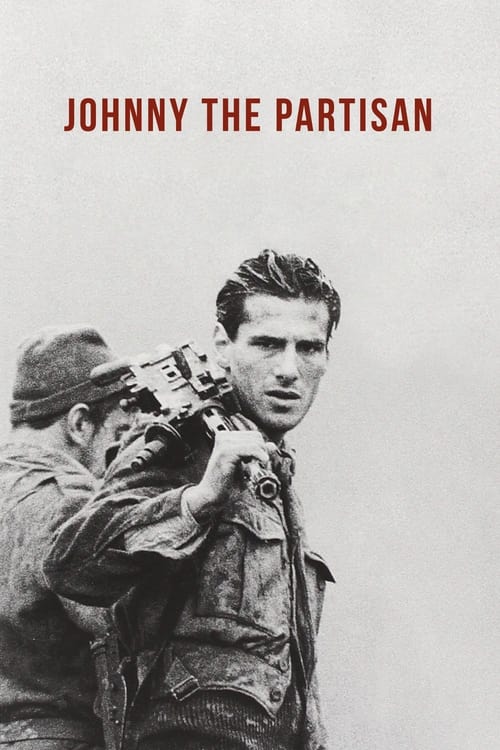
Northern Italy, Autumn 1944, the last days of World War II. Germans and Italians try to defend the Gothic Line and fight the partisans who support the inexorable advance of the US Army.
1962
1946
2000

1945
1957
1969

1952

2003
No reviews yet. Be the first to share your thoughts on this movie!
Use the rating form above to leave a star rating and optional review.