O Guarani
1996
No user ratings available yet
Diversity score: 5.1 out of 10
1928
Director
Franz Osten
Runtime
106 minutes
Average Rating
No ratings yetSynopsis
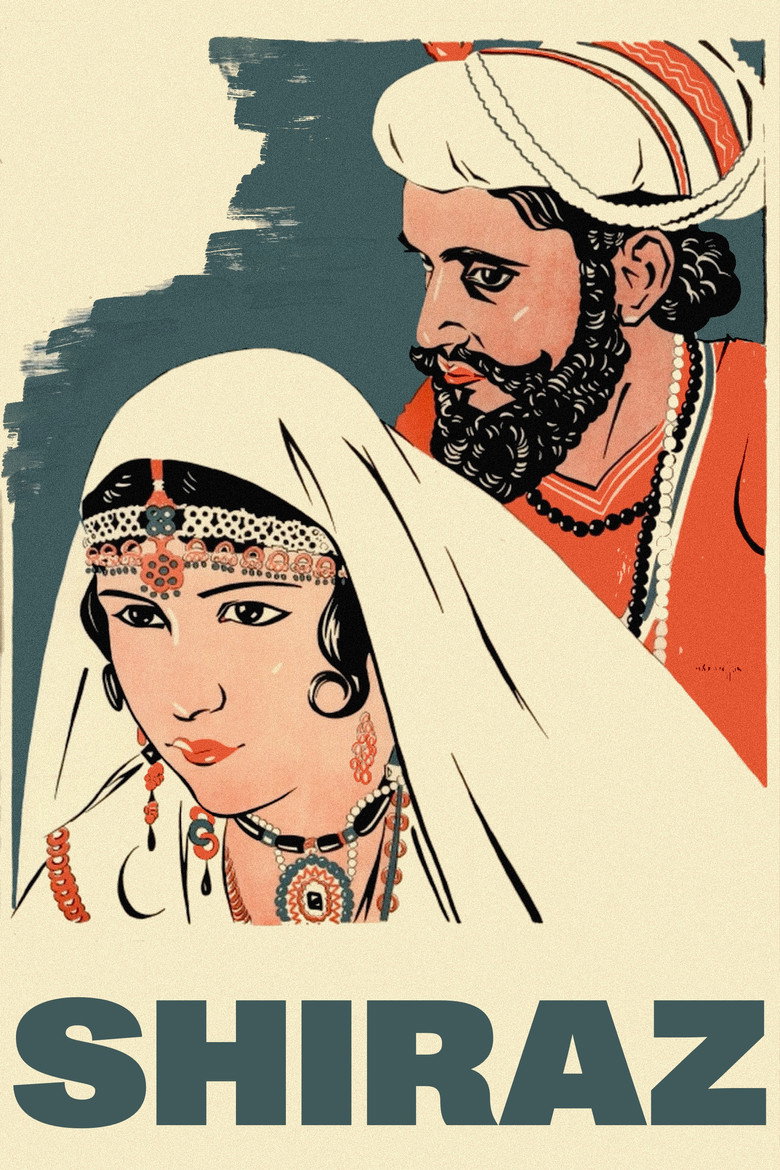
A historical romance set in the Mughal Empire. A potter's son falls for the foundling girl he was raised alongside, unaware she carries royal blood. When slavers abduct her and sell her into the household of a Mughal prince, he follows her to the imperial court at Agra — risking his life to reach her, in a story that imagines the origins of the Taj Mahal.
Overall Score
Fair
Category Breakdown
LGBTQ+ Representation
The film follows traditional silent-era romantic archetypes. It focuses on a heteronormative central romance between Prince Khurram and Selima without queer subtext.
Gender Representation
Selima evolves from a passive foundling and slave into a powerful Empress. The story centers on her influence over the Emperor’s legacy, though it remains within period romantic conventions.
Racial & Ethnic Diversity
This production is exceptional for its era, avoiding common whitewashing by utilizing an almost entirely Indian cast and crew. It challenges the Western gaze by prioritizing local talent.
Religious & Cultural Diversity
The narrative explores socioeconomic divides between the peasantry and Mughal royalty. It centers Indian history and aesthetics, serving to decenter Western cultural hegemony through its historical romanticism.
Disability Representation
Shiraz is depicted as old and blind by the film's conclusion. This disability serves a functional plot role regarding the Taj Mahal rather than exploring lived experience.
Strengths
Areas for Improvement
AI Analysis
Shiraz: A Romance of India stands out as a landmark co-production that disrupts the colonial-era casting standards of the 1920s. By integrating Indian talent and local actors, the film provides a rare level of ethnic authenticity and agency for its time. While the film excels in racial and ethnic representation, it remains tethered to the era's conventional romantic and gendered tropes. The narrative structure often uses character traits, such as Shiraz's blindness, as functional plot devices rather than deep character studies. Ultimately, the film's significance lies in its international creative exchange. It offers a non-Western-centric perspective that challenges the standard cinematic gaze of the early 20th century.
1996
1928
1918
1931
1926
1913
1962
1984
1955
2015
2001
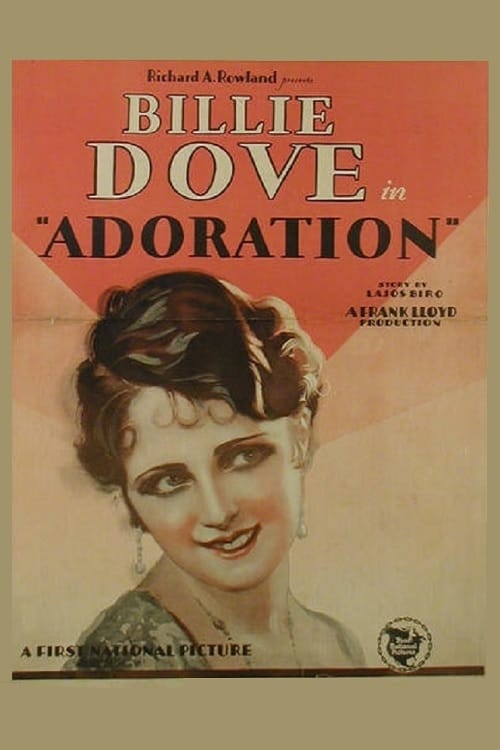
1928
No reviews yet. Be the first to share your thoughts on this movie!
Use the rating form above to leave a star rating and optional review.