Empire of Lust
2015
No user ratings available yet
Representation score: 7.0 out of 10
Representation Score
Fair
1955
Not RatedDirector
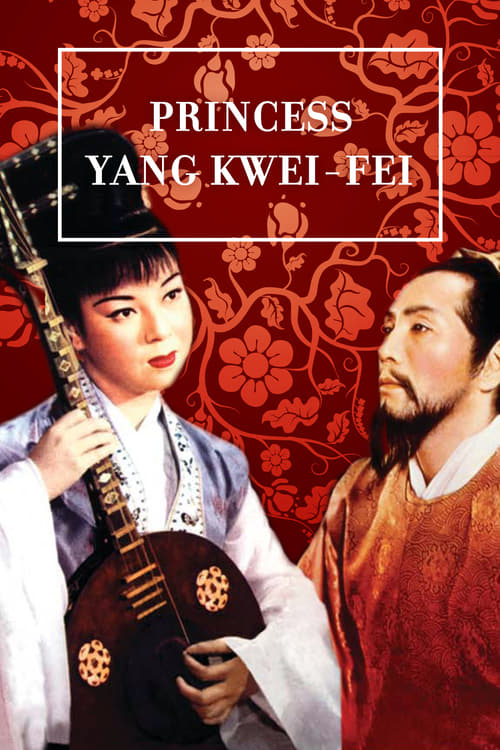
Kenji Mizoguchi
Runtime
92 minutes
Average Rating
No ratings yetNew Showbiz Analysis
Mizoguchi’s direction elevates this historical drama by centering the female experience within a rigid patriarchy. Rather than treating the protagonist as a submissive accessory, the film frames her as a central force capable of destabilizing the state. The production serves as a cross-cultural bridge, utilizing a Japanese ensemble to inhabit a Chinese epic. This approach challenges Western-centric historical storytelling through a Pan-Asian lens, even if the cast remains ethnically homogenous. Ultimately, the film functions as a study of how individual passion can disrupt imperial structures. It moves beyond period clichés to interrogate the systemic corruption inherent in absolute power.
Category Breakdown
The film focuses on the romantic and political ties between the Emperor and his consort, which are centered around straight relationships. There are no queer subtexts or non-cisgender identities present in this historical setting.
Mizoguchi centers the narrative on the female protagonist's significant role in driving the story. She influences the rise and fall of the empire, while the Emperor is portrayed through emotional instability, challenging traditional male leadership clichés.
This Japanese production uses a Japanese cast to depict 8th-century Chinese history, creating a Pan-Asian aesthetic. While it avoids Western-centric casting, the lack of ethnic diversity within the cast limits the score.
The film critiques the fragility of absolute imperial power and the corruption of the court. It portrays the breakdown of established order as a consequence of unchecked, centralized authority.
The narrative does not provide visible or narrative evidence regarding physical or neurodivergent disabilities. The focus remains strictly on political and romantic ability to act.
Present on Screen
Limited or Absent
Official Synopsis
In 8th-century China, the Emperor grieves the death of his wife. The Yang family wants to provide the Emperor with a consort so that they may consolidate their court influence. General An Lushan finds a distant relative working in their kitchen, whom they groom to present to the Emperor. The Emperor falls in love and she becomes the Princess Yang Kwei-fei. The Yangs are then appointed important ministers, though An Lushan is not given the court position he covets.
2015

1957
1977
1934
1962
1952
1962

1954
No reviews yet. Be the first to share your thoughts on this movie!
Use the rating form above to leave a star rating and optional review.