
Hula
1927
No user ratings available yet
Representation score: 1.4 out of 10
Representation Score
Limited
1931
PassedDirector
Albert S. Rogell
Runtime
90 minutes
Average Rating
No ratings yetNew Showbiz Analysis
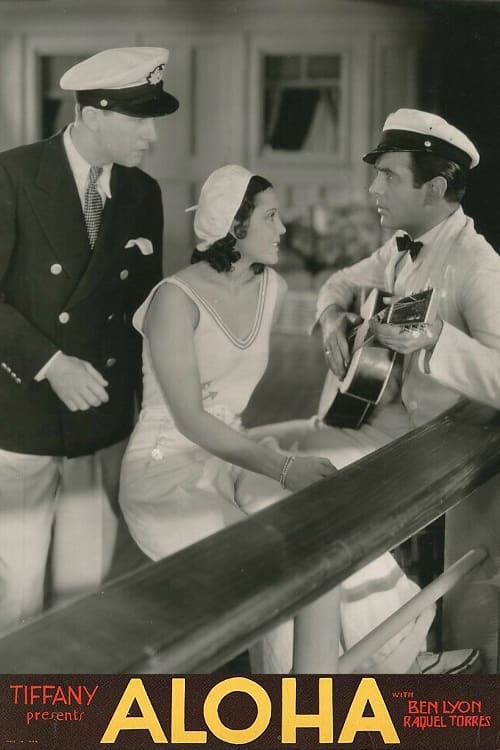
Aloha (1931) presents a complex but ultimately traditionalist view of identity. While it breaks ground by featuring a mixed-race protagonist and a woman asserting her own romantic desires, these elements are used to facilitate a story of Western assimilation. The film's strength lies in its departure from static traditionalism through its central character's active role. However, this role is narrow, as it is channeled into a romantic pursuit that reinforces existing social hierarchies and Western cultural dominance. Ultimately, the film functions as a transitional piece of early sound cinema. It introduces diverse themes of racial hybridity and gendered defiance only to resolve them through established, Western-centric narrative structures.
Category Breakdown
The film follows a strictly heterosexual romantic storyline. There are no indications of LGBTQ+ themes or non-binary gender identities present in the narrative.
A female protagonist acts on their own terms by rejecting traditional marriage. However, her choices ultimately serve a conventional romantic storyline centered on a high-status male lead.
The story features a mixed-race protagonist, introducing themes of racial hybridity. While it explores cross-racial romance, the plot leans toward Western socioeconomic assimilation.
The narrative pits indigenous South Sea traditions against Western influence. It tends to validate Western ideals by framing local customs as obstacles to be overcome.
There is no mention of characters with visible or invisible disabilities within the film's synopsis.
Present on Screen
Limited or Absent
Official Synopsis
In the South Seas, a half-caste island girl refuses to follow tradition and marry a fellow islander, instead falling in love with a white man and heir to an American fortune.
1927

1931

1939
1932
1926

1930

1918

1945
No reviews yet. Be the first to share your thoughts on this movie!
Use the rating form above to leave a star rating and optional review.