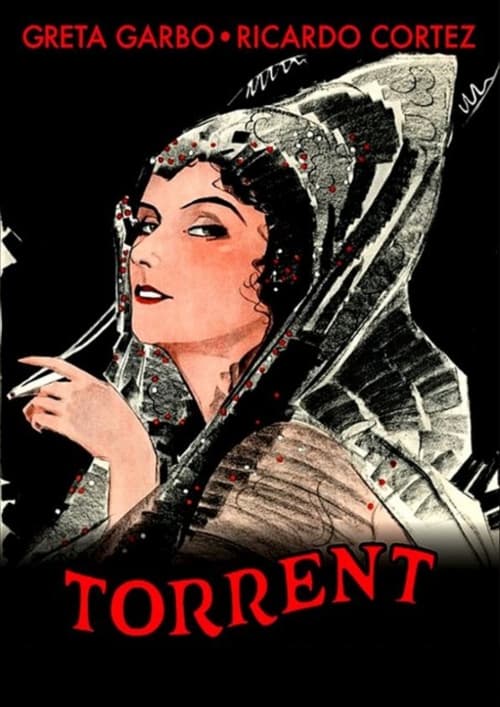
Torrent
1926
No user ratings available yet
Representation score: 1.8 out of 10
Representation Score
Minimal
1913
Director
Mario Caserini
Runtime
90 minutes
Average Rating
No ratings yetNew Showbiz Analysis
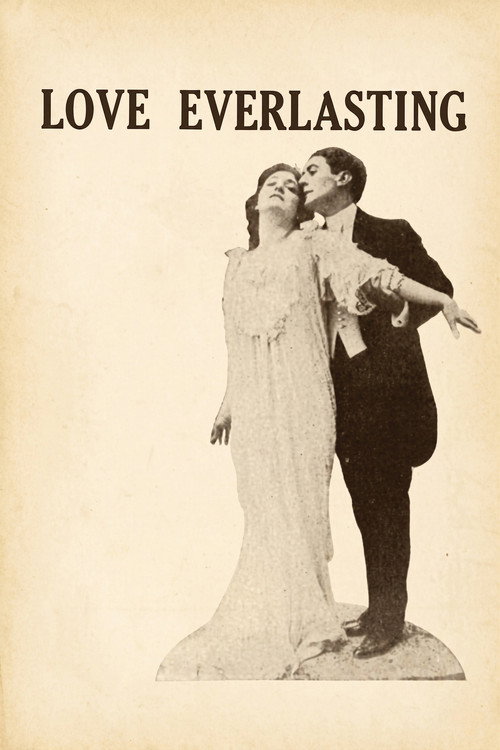
Love Everlasting is a typical period melodrama that emphasizes traditional narrative structures over social critique. While the female lead shows resilience, the film remains deeply rooted in the social norms of the early 20th century. The production reflects the demographic uniformity of its time, focusing on Eurocentric values and traditional romantic clichés. It lacks representation of diverse identities, focusing instead on themes of honor, betrayal, and social status. Ultimately, the film serves as a window into early Italian silent cinema's reliance on established societal frameworks and conventional storytelling.
Category Breakdown
The film follows a traditional romantic storyline between Elsa and a handsome young man. There is no indication of non-straight identities or narratives that question the assumption that everyone is straight.
Elsa Holbein demonstrates significant influence through her career transformation into an actress and singer. However, her journey is heavily influenced by patriarchal conditions and conflicts driven by men.
The setting and character names suggest a homogeneous, European cast. There is no indication of racial diversity or non-European casting within the narrative.
The drama uses traditional Western settings such as military institutions and churches. It follows a classic moral storyline focused on honor and social standing.
There are no visible or hidden disabilities portrayed as central to the character arcs or plot development.
Present on Screen
Limited or Absent
Official Synopsis
Grand Duchy of Wallenstein. Elsa Holbein is the young beautiful daughter of General Julius, the Chief of the General Staff. After a spy named Moise Sthar steals military documents, Julius is accused of betrayal. He kills himself while Elsa is forced to leave. Homeless, she begins wandering the streets until, on the Riviera, she starts her performing career under the pseudonym of Diana Cadouleur and becomes a successful actress and singer. One day, in a small church, she meets an elegant young man and she falls in love with him. But during a tour on the Lucarno Lake she runs into Sthar who, rejected by Elena, spreads rumors about Prince Massimiliano’s behavior.
1926

1923
1962
1953
1915

1926
1926

1926
No reviews yet. Be the first to share your thoughts on this movie!
Use the rating form above to leave a star rating and optional review.