
Sissi: The Fateful Years of an Empress
1957
No user ratings available yet
Representation score: 0.4 out of 10
Representation Score
Minimal
1928
PassedDirector
Frank Lloyd
Runtime
73 minutes
Average Rating
No ratings yetNew Showbiz Analysis
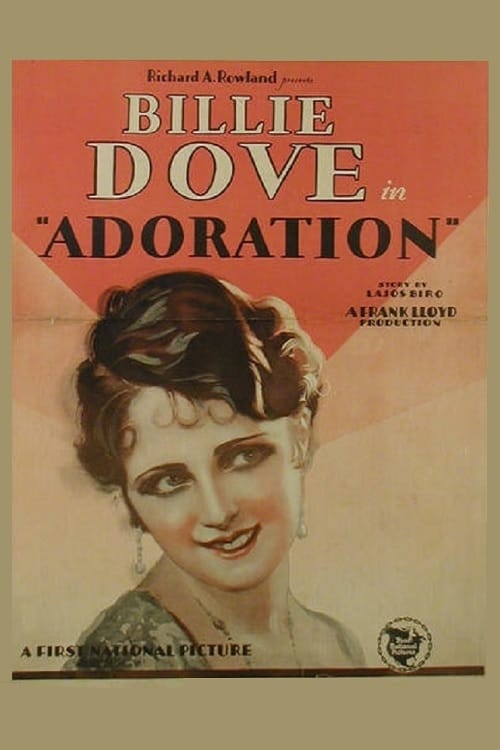
Adoration functions primarily as a high-drama romantic vehicle typical of the late silent era. While it moves between Russia and France, avoiding a purely domestic setting, it stays within established period conventions. The film's strength lies in its central female character, who has a complex social identity. However, the narrative lacks the depth and systemic critique needed to go beyond traditional melodrama. Ultimately, Adoration provides cultural variety through its international scope but remains a product of its time, focusing on heightened emotionalism and class-based romanticism.
Category Breakdown
The film doesn't include any characters with non-traditional gender identities or same-sex relationships. The story focuses on traditional romantic relationships between male and female leads.
Elena's character transitions between a Russian princess and a woman of the streets, providing a multifaceted identity. This complexity goes beyond a simple feminine archetype, though it remains within the context of a traditional romantic drama.
The film moves between Russia and France, introducing cultural variety. However, the main cast lacks significant diversity in terms of race or ethnicity.
The story embraces 1920s Hollywood escapism through an exotic romance. It adheres to romanticized notions of class and nobility rather than offering a secular or anti-Western perspective.
There are no characters with visible or invisible disabilities in the film.
Present on Screen
Limited or Absent
Official Synopsis
Billie Dove, as Elena, pulls out all stops as a Russian princess and a woman-of-the-streets in Paris in an exotic romance and hand-wringing drama set in two countries and the way-stations in between.
1957
1935

1928

1934
1926
1936
1925

1923
No reviews yet. Be the first to share your thoughts on this movie!
Use the rating form above to leave a star rating and optional review.