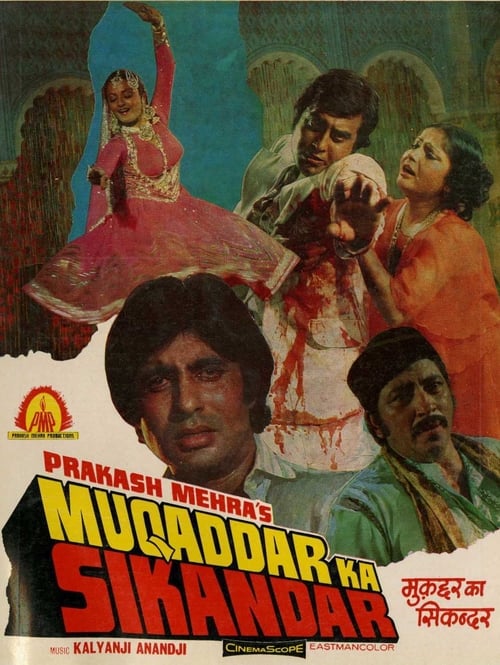
Muqaddar Ka Sikandar
1978
No user ratings available yet
Diversity score: 6.1 out of 10
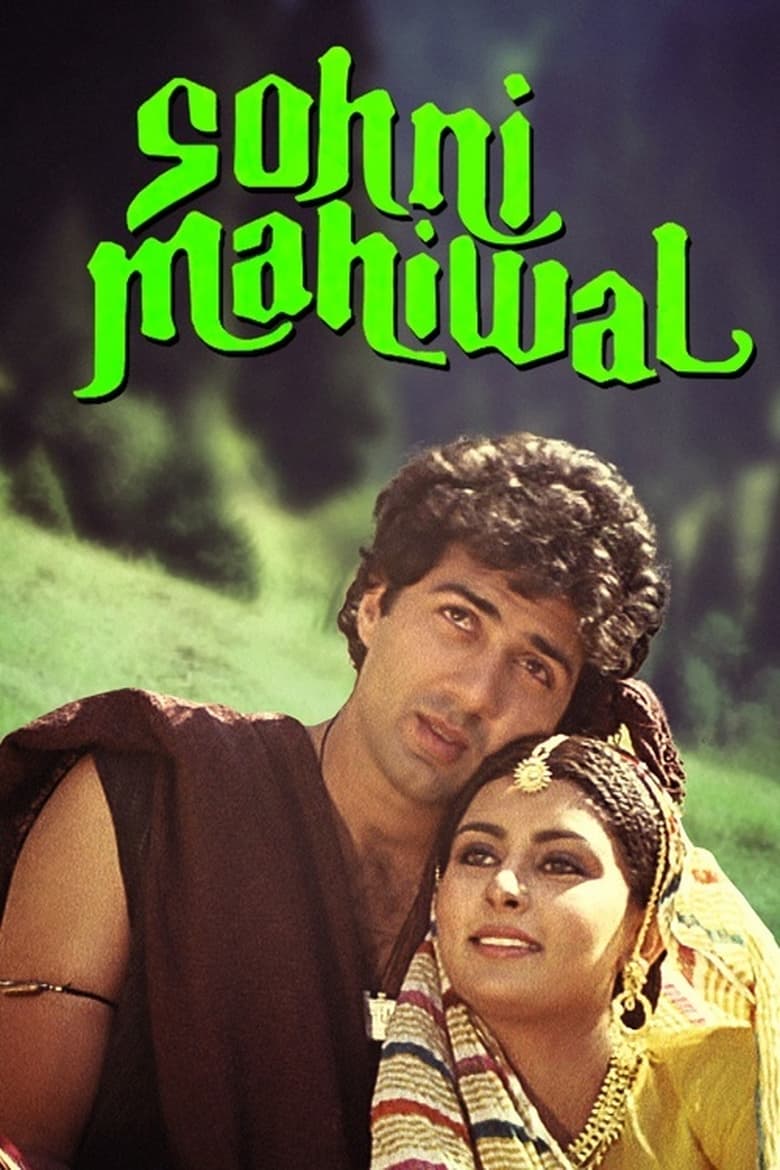
1984
Director
Umesh Mehra, Latif Faiziyev
Runtime
160 minutes
Average Rating
No ratings yetSynopsis
Shahjada Ijjat Beg comes to India with his caravan and settles in a town in Gujrat. Here he falls in love with Sohani, who keeps a shop in metal pots. Ijjat Beg buys pot from her with whatever money he had and they were attracted to each other. Sohni dispensed with her servant and kept Ijjat Beg instead. This gave them more opportunity to meet. This was a scandal in the town and Sohni was perforce married to Rehaman who was slightly off his head. Sohni continued her meeting Ijjat Beg who went out fishing. When the atmosphere became to hot for them they jointly took a water grave for their love.
Overall Score
Good
Category Breakdown
LGBTQ+ Representation
The film centers on a heterosexual romantic tragedy. There are no depictions of non-cisnormative identities or same-sex intimacy within the plot.
Gender Representation
Sohni challenges traditional hierarchies by actively dictating her romantic destiny. She prioritizes personal autonomy over her marriage, defying the submissive feminine archetypes of the era.
Racial & Ethnic Diversity
The production maintains high authenticity by using a South Asian cast to portray Punjabi legend. It celebrates regional heritage rather than following globalized cinematic homogenization.
Religious & Cultural Diversity
The story prioritizes emotional truth over social stability. By framing the protagonists' defiance as a scandal, it critiques rigid class and communal hierarchies.
Disability Representation
There are no prominent depictions of physical or neurodivergent disabilities that serve as central character traits or drive the narrative.
Strengths
Areas for Improvement
AI Analysis
Sohni Mahiwal is a culturally authentic exploration of Punjabi folklore that emphasizes individual agency over social conformity. The film succeeds in portraying a female protagonist who actively subverts traditional gender roles to pursue her own desires. However, the narrative lacks modern intersectional representation. There is no presence of LGBTQ+ identities or characters with disabilities, leaving these dimensions of diversity unaddressed. Ultimately, the film's strength lies in its regional specificity and its critique of oppressive social structures through the lens of romantic autonomy.
No reviews yet. Be the first to share your thoughts on this movie!
Use the rating form above to leave a star rating and optional review.