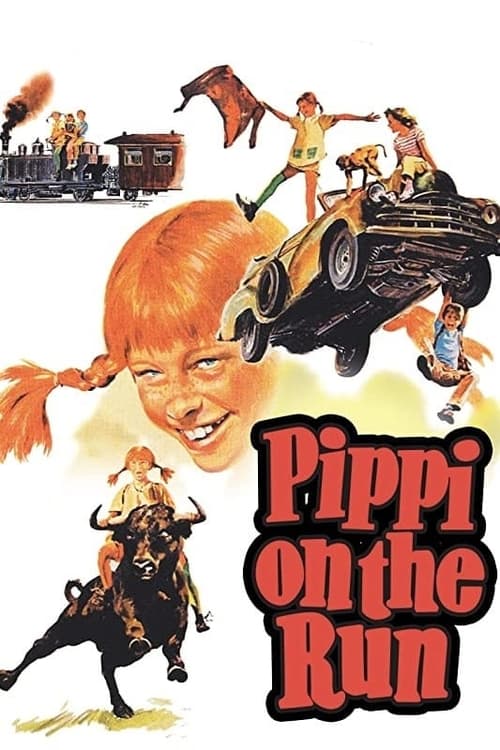
Pippi on the Run
1970
No user ratings available yet
Diversity score: 4.9 out of 10
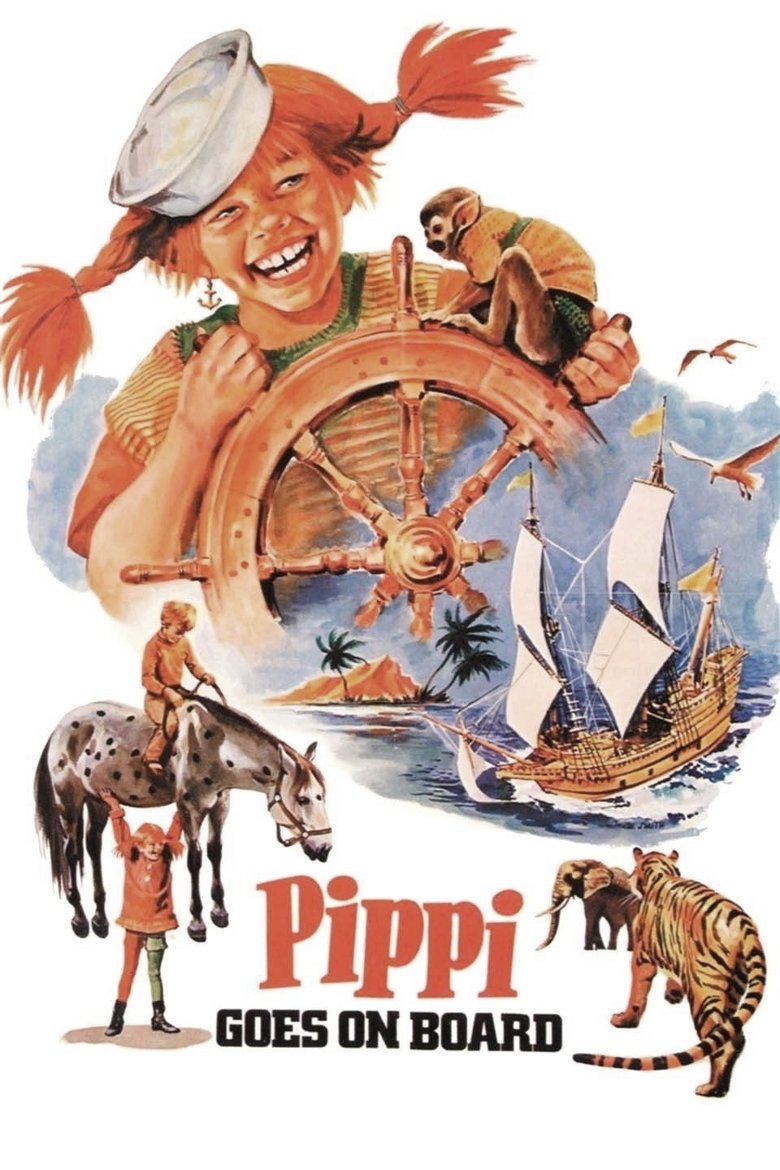
1969
GDirector
Olle Hellbom
Runtime
83 minutes
Average Rating
No ratings yetSynopsis
Pippi Longstocking lives alone in Villekulla because her mother is an angel in heaven and her father is a pirate king in the Southern Seas. She befriends her next door neighbors, siblings Tommy and Annika, who are swept into Pippi's wild adventures.
Overall Score
Good
Category Breakdown
LGBTQ+ Representation
The film contains no LGBTQ+ characters or themes. The story focuses entirely on childhood friendships and the absence of family members.
Gender Representation
Pippi Longstocking subverts traditional gender hierarchies through her immense physical strength and economic independence. She functions as a powerful agent of disruption who requires no male protection.
Racial & Ethnic Diversity
Pippi’s lineage introduces elements of mixed heritage through her South American sea captain father. This provides a departure from the homogeneous casting common in 1960s European cinema.
Religious & Cultural Diversity
The narrative critiques Western institutions by prioritizing Pippi's personal sense of justice over social laws. It frames traditional authority and bourgeois etiquette as restrictive and absurd.
Disability Representation
There are no central depictions of physical or neurodivergent disabilities within the narrative arc.
Strengths
Areas for Improvement
AI Analysis
Pippi Goes on Board stands out for its radical deconstruction of gender norms. By centering a female protagonist who possesses absolute agency and strength, the film dismantles the traditional damsel archetype. This creates a progressive model of empowerment for its era. The film also excels in its thematic rebellion against systemic rigidity. It celebrates autonomy by portraying established social orders and adult-defined morality as stifling. This anti-authoritarian stance provides a sophisticated critique of conventional Western institutions. While the film lacks LGBTQ+ representation and specific disability depictions, its portrayal of mixed heritage through Pippi's paternal background offers a subtle nod to global interconnectedness. It remains a landmark of individual agency.
1970
1967
1974
1966
1965
1970
1969
1966
2014
1979
2013
1968
No reviews yet. Be the first to share your thoughts on this movie!
Use the rating form above to leave a star rating and optional review.