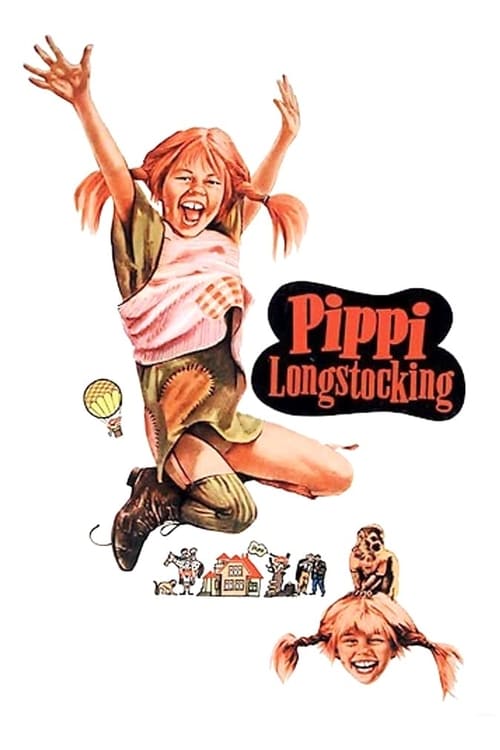
Pippi Longstocking
1969
No user ratings available yet
Representation score: 5.7 out of 10
Representation Score
Limited
1970
GDirector
Olle Hellbom
Runtime
95 minutes
Average Rating
No ratings yetNew Showbiz Analysis
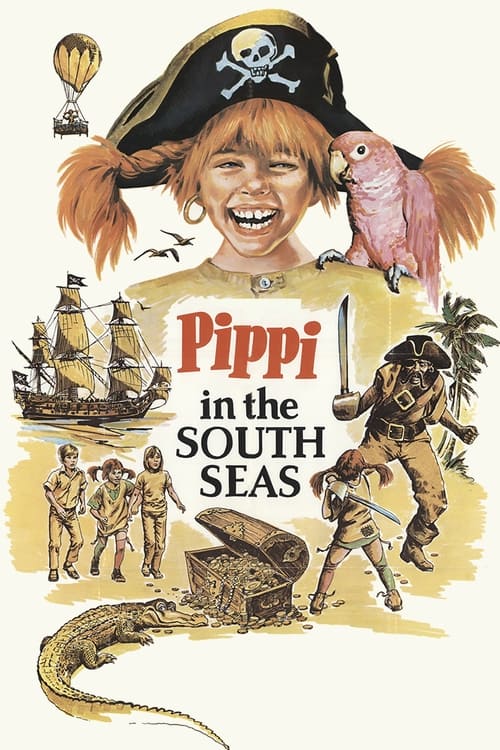
Pippi in the South Seas stands out as a progressive exploration of gender subversion. By focusing on a female protagonist with unmatched physical strength and independence, the film challenges the submissive feminine stereotypes of its time. While the film excels in gender representation, it adheres to the conventions of its era regarding other demographics. The racial dynamics follow typical 1970s adventure clichés, maintaining a focus on the Western perspective despite the diverse tropical setting. Ultimately, the film's strength lies in its celebration of non-conformity. It replaces strict social norms with a sense of individualistic freedom, making it a meaningful departure from mid-century family adventures.
Category Breakdown
The film doesn't include any LGBTQ+ characters or same-sex relationships. Its social structure aligns with traditional heterosexual norms typical of 1970s family films.
Pippi defies traditional gender roles through her superhuman strength and independence. She disrupts conventional feminine stereotypes and patriarchal norms.
The South Seas setting introduces non-Western populations and indigenous islanders. However, the narrative focuses mainly on the Western perspective of the main characters.
The story celebrates a disregard for conventional social rules and adult authority. Pippi’s whimsical rebellion creates a flexible moral environment that rejects strict institutional morality.
There are no prominent depictions of physical or neurodivergent disabilities that significantly impact the story.
Present on Screen
Limited or Absent
Official Synopsis
Pippi Longstocking, accompanied by friends Tommy and Annika, adventures on the South Seas to search for her father, who has been kidnapped by pirates.
1969
1970

1983

1950

1990

1972
2014

2009
No reviews yet. Be the first to share your thoughts on this movie!
Use the rating form above to leave a star rating and optional review.