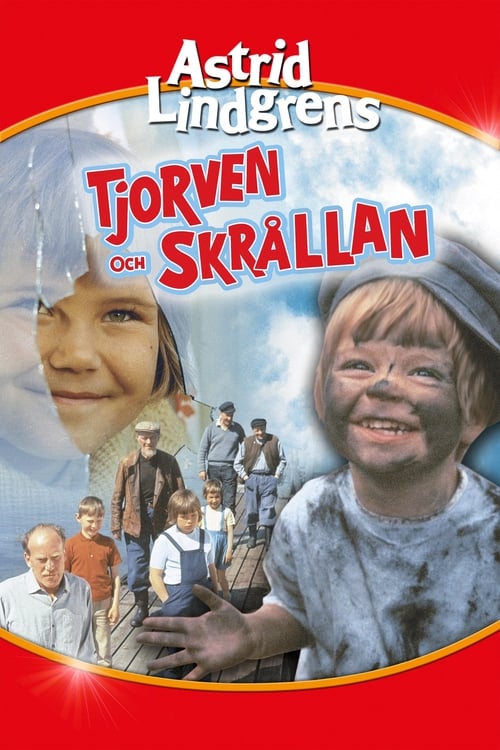
Tjorven and Skrallan
1965
No user ratings available yet
Representation score: 2.4 out of 10
Representation Score
Minimal
1966
Director
Olle Hellbom
Runtime
91 minutes
Average Rating
No ratings yetNew Showbiz Analysis
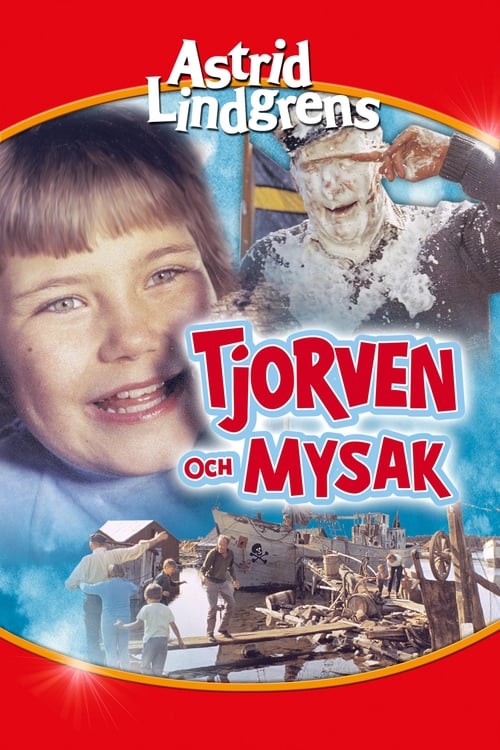
Tjorven och Mysak is a quintessential mid-century pastoral adventure that prioritizes traditional social cohesion. It celebrates the simplicity of rural life through the lens of childhood innocence and animal companionship. While the film offers a female-centric perspective via its young protagonist, it remains rooted in the era's conventional social frameworks. The narrative lacks complexity around multiple aspects of identity, focusing instead on harmless play and established community structures. Ultimately, the film functions as a traditionalist piece. It reflects the demographic and social realities of 1960s rural Sweden without attempting to disrupt or critique existing hierarchies.
Category Breakdown
The film focuses on childhood play and animal companionship in a rural Swedish setting. It does not include non-cisgender identities or narratives that engage with the assumption that everyone is straight.
A young female protagonist explores her surroundings, providing some control over the story. However, the film follows conventional mid-century formulas without challenging traditional gender roles or leadership.
The story depicts a homogeneous rural community. There is no evidence of racial diversity or the inclusion of non-Anglo-Saxon characters within this setting.
The narrative emphasizes traditional values, community, and agrarian life. It reinforces social stability rather than offering critiques of systemic power or Western structures.
There is no evidence of characters with visible or invisible disabilities. The plot centers on the physical vitality of children interacting with nature.
Present on Screen
Limited or Absent
Official Synopsis
Tjorven and the other children at Seacrow island have received a play day in a gift. Uncle Melker will find himself ending up in the lake several times. The kids also have found an old ship that will be named Albertina. They divide themselves into two pirate gangs and fights about the wishing stone Mysak.
1965
1970
1967
1970
1969

1994
1961
2003
No reviews yet. Be the first to share your thoughts on this movie!
Use the rating form above to leave a star rating and optional review.