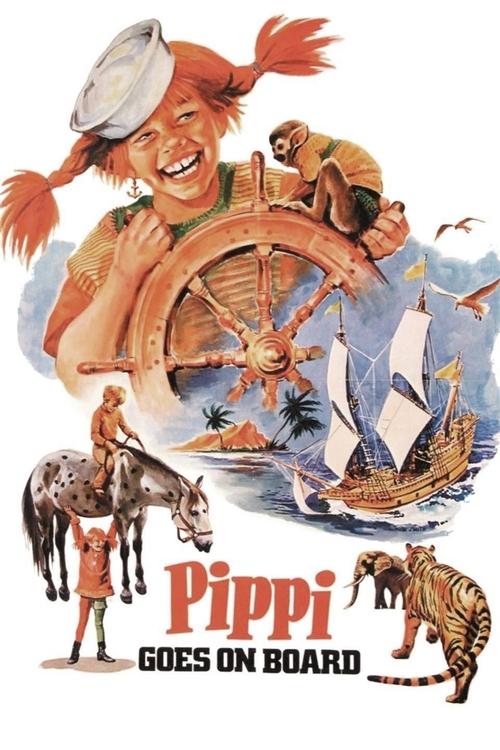
Pippi Goes on Board
1969
No user ratings available yet
Representation score: 4.7 out of 10
Representation Score
Limited
1970
GDirector
Olle Hellbom
Runtime
94 minutes
Average Rating
No ratings yetNew Showbiz Analysis
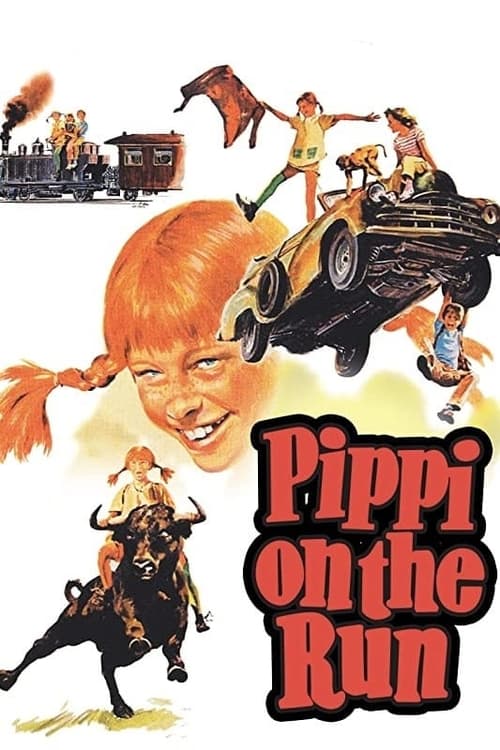
Pippi on the Run showcases how gender roles can be dramatically challenged even within a narrowly defined demographic. The film's strength lies in Pippi's role as an independent, powerful figure who defies traditional feminine roles and questions adult authority. However, the film is limited by the homogeneity of its setting. The absence of racial, ethnic, or LGBTQ+ diversity reflects a very specific, mid-century European perspective that offers little representation for those outside the white, straight majority. Overall, the film presents a contrast: it is culturally and racially restrictive, yet socially progressive in its challenge to gender hierarchies and institutional power.
Category Breakdown
The film does not include any LGBTQ+ characters or non-straight relationships. It centers on typical childhood friendships in mid-20th-century Sweden.
Pippi stands out as a strong character who defies traditional gender roles through her incredible strength and independence. She drives the plot and challenges the idea of women being submissive.
The film features a cast that reflects a homogeneous European society with no indication of racial diversity. The story focuses on a white, mid-century Swedish demographic.
The story questions traditional authority by showing adults as incompetent or greedy. It highlights personal freedom and fairness over established social norms.
There are no notable representations of visible or invisible disabilities. Characters are portrayed within a typical framework of physical ability.
Present on Screen
Limited or Absent
Official Synopsis
Fed up with their strict parents, Tommy and Annika run away from home, with their friend Pippi Longstocking to look after them in their long trek.
1969

1970
1969
1937
1967
1974
1965

1993
No reviews yet. Be the first to share your thoughts on this movie!
Use the rating form above to leave a star rating and optional review.