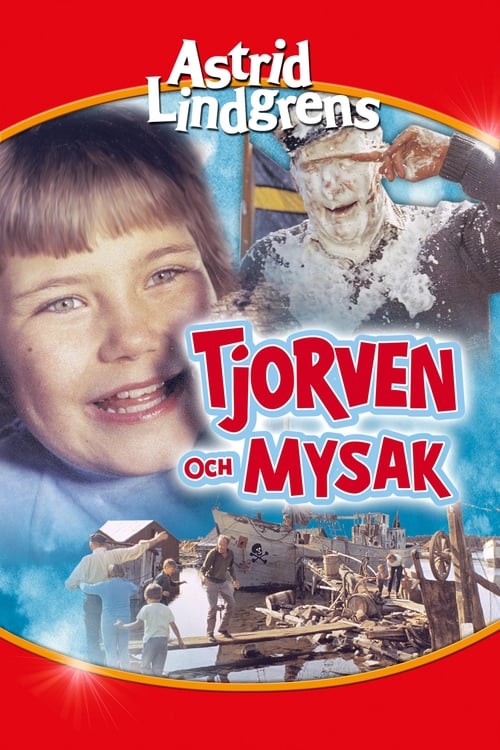
Tjorven and Mysak
1966
No user ratings available yet
Representation score: 1.1 out of 10
Representation Score
Limited
1965
Director
Olle Hellbom
Runtime
90 minutes
Average Rating
No ratings yetNew Showbiz Analysis
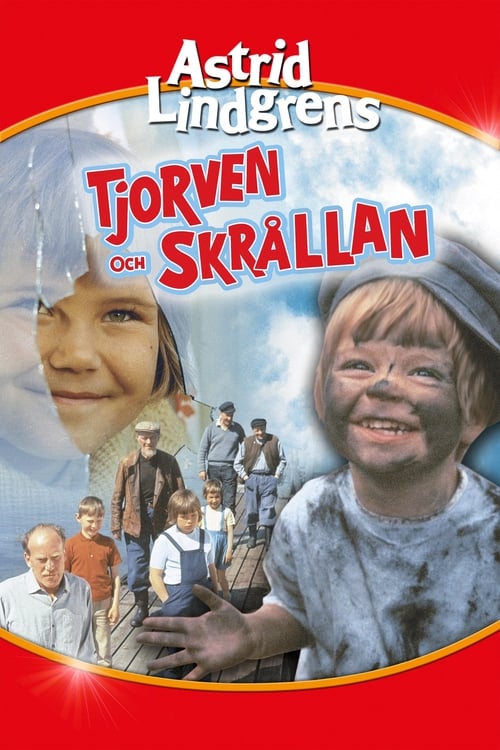
Tjorven and Skrallan is a classic example of mid-century pastoral cinema. It emphasizes emotional sincerity and the value of family life, reflecting the cultural norms of 1960s Sweden. The film upholds traditional social structures without challenging them. While it offers a glimpse into the ability to act of a young girl, it does not explore complex social issues. Overall, the film portrays a culturally uniform society focused on the virtues of rural living and family ties.
Category Breakdown
The film follows the social norms of 1960s Sweden and does not show any LGBTQ+ relationships or non-cisgender identities.
A young female character is central to the story and has a degree of influence. However, her role is defined by traditional feminine traits such as emotional intelligence and a connection to nature.
The cast is made up of people from a single ethnic background, reflecting a Swedish rural setting. There is no visible racial or ethnic diversity among the characters.
The story highlights the simple life of farmers and stable family structures. It promotes traditional values and social cohesion without questioning broader societal issues.
There are no characters with physical or cognitive disabilities in the film.
Present on Screen
Limited or Absent
Official Synopsis
The residents of Seacrow island get new problems when Malin and Peter get their first child - Skrållan.
1966
1970
1967
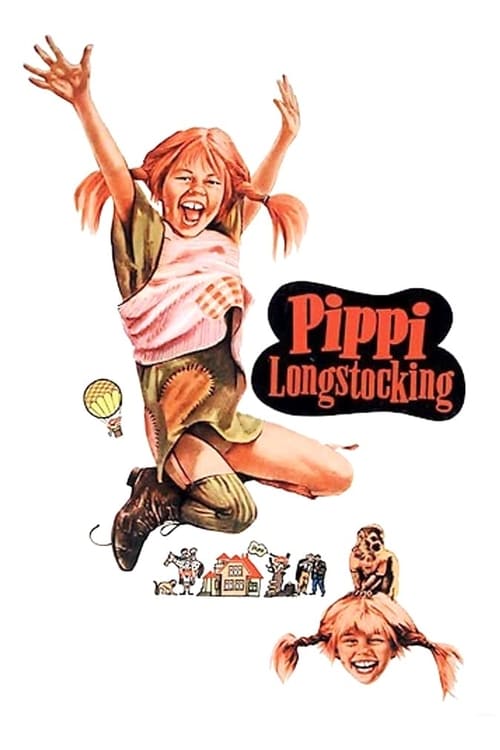
1969
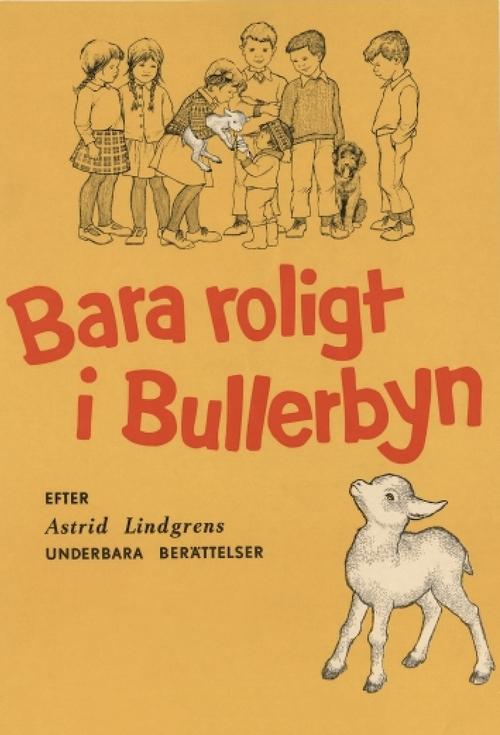
1961
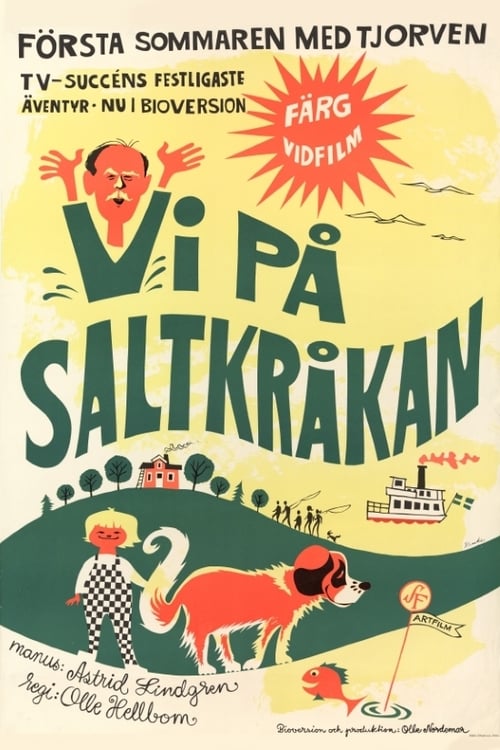
1968
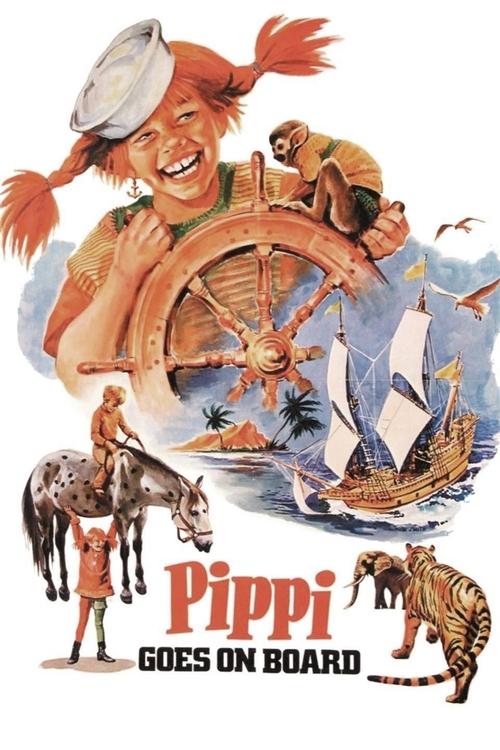
1969
1986
No reviews yet. Be the first to share your thoughts on this movie!
Use the rating form above to leave a star rating and optional review.