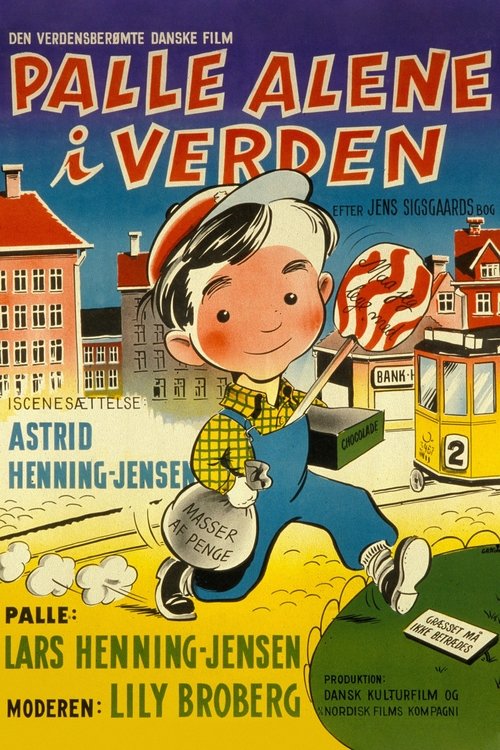
Palle Alone in the World
1949
No user ratings available yet
Representation score: 2.3 out of 10
Representation Score
Good
1966
GDirector
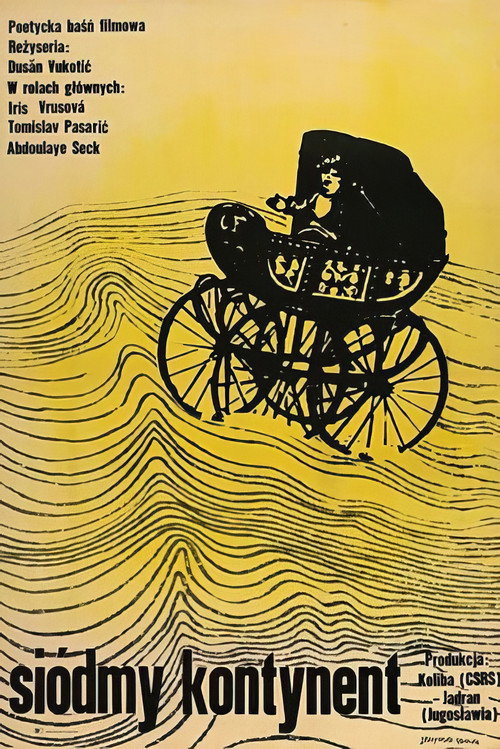
Dušan Vukotić
Runtime
84 minutes
Average Rating
No ratings yetNew Showbiz Analysis
Dušan Vukotić’s work uses a speculative premise to challenge mid-century social norms. By focusing on a world run by children, the film questions the need for nuclear families and adult governance. The narrative presents a new continent as a paradise, implicitly criticizing the current social order as limiting. This subversion of established authority figures aligns with an avant-garde, intellectual approach to animation. While the film effectively critiques systemic issues and disrupts traditional hierarchies, it lacks specific details about individual identities or disabilities. It serves more as a philosophical exploration of social structures than a detailed look at individual representation.
Category Breakdown
The film removes adult structures, which might allow for non-straight relationships, but it doesn't show specific non-cisgender identities.
The story replaces adult male authority with peer-based dynamics, making traditional male leadership roles less important.
The idea of a new paradise suggests moving away from a homogeneous Western society. The global migration of young people implies a diverse, less Anglo-centric population.
The film criticizes traditional Western institutions by showing the abandonment of parental authority. It promotes a narrative of collective liberation and self-rule.
There is no specific evidence about characters with physical or neurodivergent disabilities.
Present on Screen
Limited or Absent
Official Synopsis
A group of children discover the new continent of the world, uninhabited by adults. Soon, many other children are joining them in that new paradise, leaving their parents and other adults baffled on all remaining continents.
1949
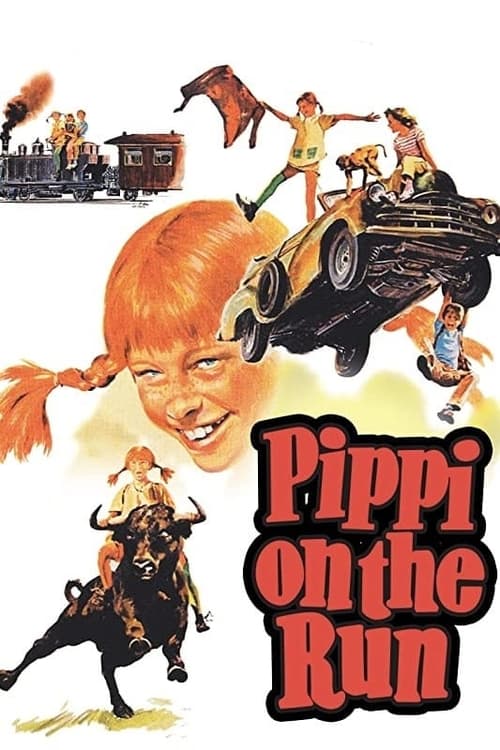
1970

2008
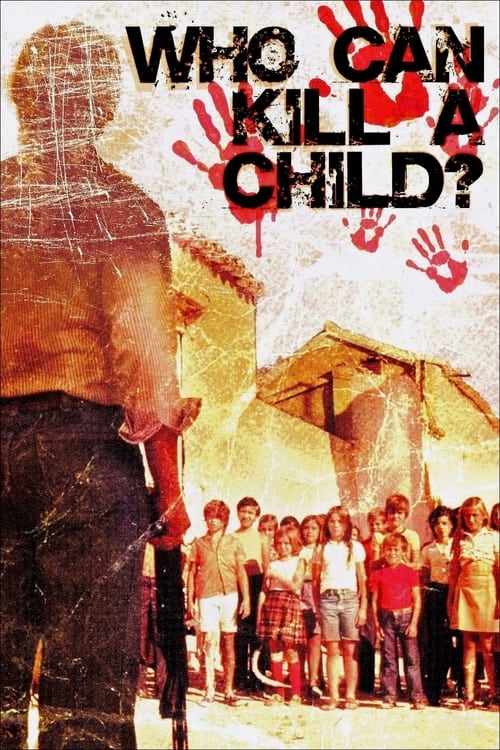
1976
2018

1987

1972
1963
No reviews yet. Be the first to share your thoughts on this movie!
Use the rating form above to leave a star rating and optional review.