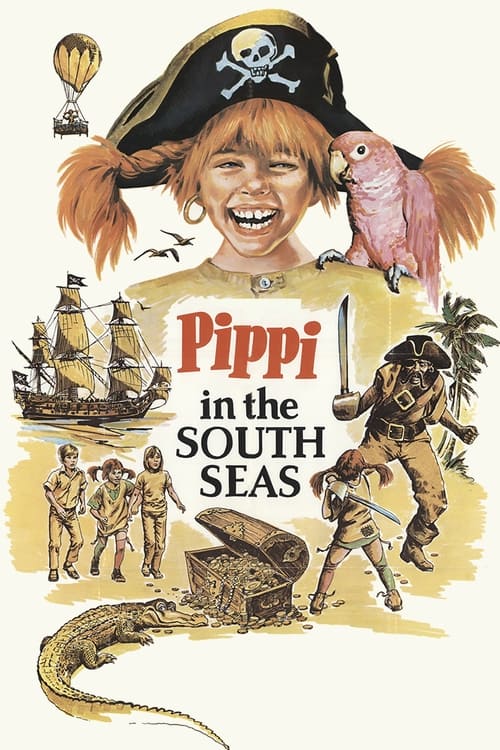
Pippi in the South Seas
1970
No user ratings available yet
Representation score: 3.8 out of 10
Representation Score
Fair
1969
GDirector
Olle Hellbom
Runtime
100 minutes
Average Rating
No ratings yetNew Showbiz Analysis
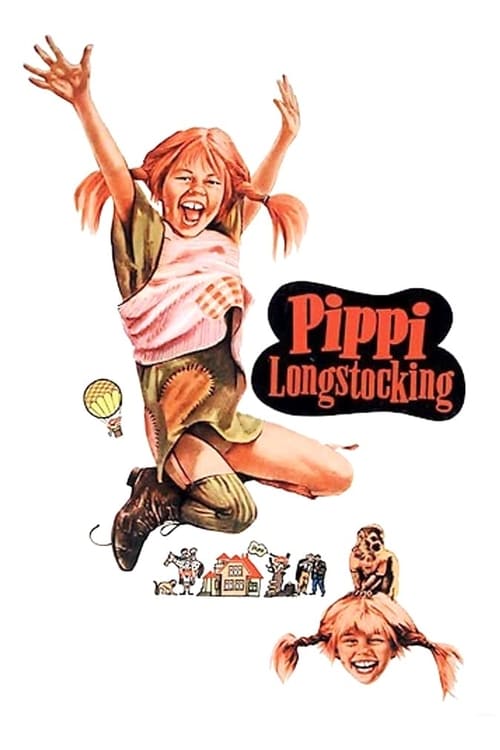
Pippi Longstocking is a groundbreaking film that centers a female protagonist who challenges mid-century social norms. By giving Pippi superhuman strength and financial independence, the film effectively breaks away from traditional gender roles and expectations. However, the film's cast and narrative focus are limited by the demographic homogeneity of its time. The absence of racial and LGBTQ+ diversity means the film falls short in representing a broader range of identities. Ultimately, the film's strength lies in its cultural critique, celebrating individual ability to act and moral relativism while rejecting rigid institutional authority.
Category Breakdown
The film does not include any LGBTQ+ characters or relationships that go beyond the assumption that everyone is straight or cisgender.
Pippi stands out by having superhuman strength and being financially independent, which challenges traditional gender roles. Her actions drive the plot and challenge the idea that women should be submissive.
The cast is mostly white, reflecting the demographics of its time. Pippi's outsider status is due to her behavior, not her race.
The film criticizes traditional authority figures by showing them as inflexible and rigid. Pippi's nonconformity is framed as a form of liberation, emphasizing personal ethics over societal laws.
There are no explicit depictions of physical or neurodivergent disabilities. Pippi's superhuman strength and eccentric behavior set her apart from typical norms, but she remains a neutral character in this regard.
Present on Screen
Limited or Absent
Official Synopsis
Pippi Longstocking, a super-strong redheaded little girl, moves into her father's cottage Villa Villekulla, and has adventures with her next-door neighbors Tommy and Annika in this compilation film of the classic Swedish TV series. This was followed by Pippi Goes on Board.
1970
1970
1984
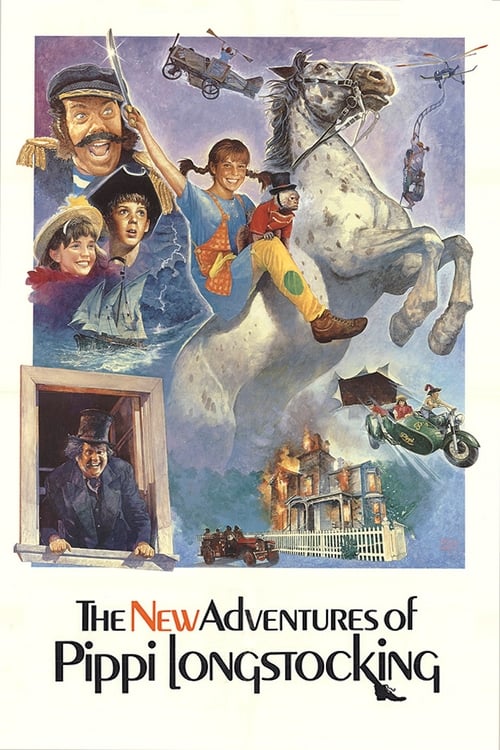
1988
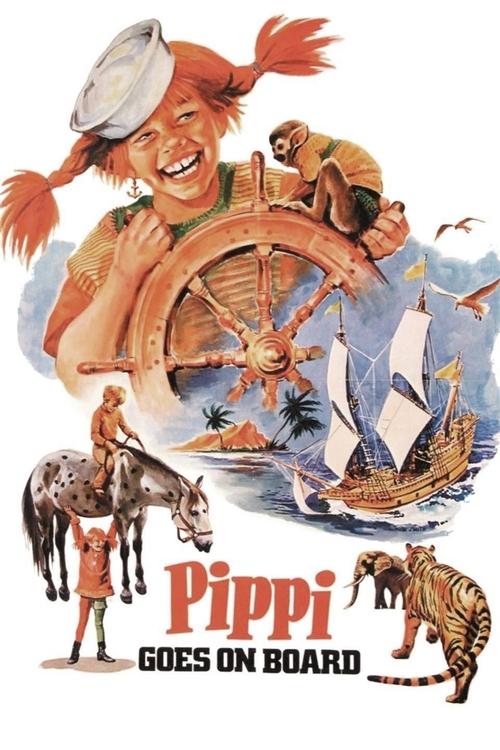
1969
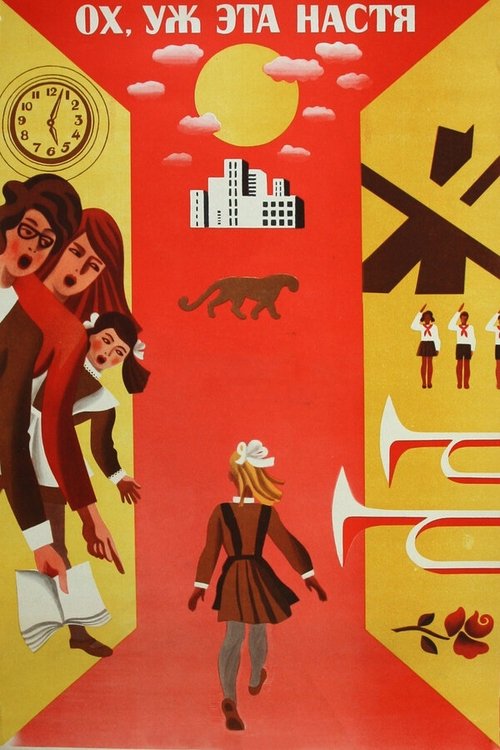
1971

2002

1976
No reviews yet. Be the first to share your thoughts on this movie!
Use the rating form above to leave a star rating and optional review.