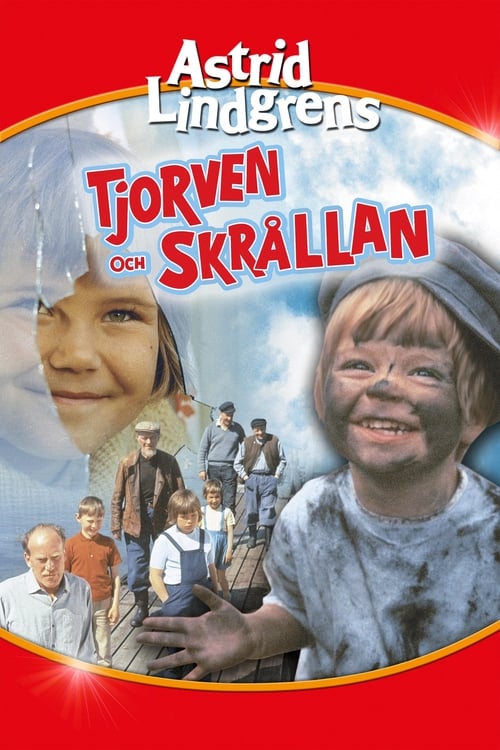
Tjorven and Skrallan
1965
No user ratings available yet
Diversity score: 2.0 out of 10
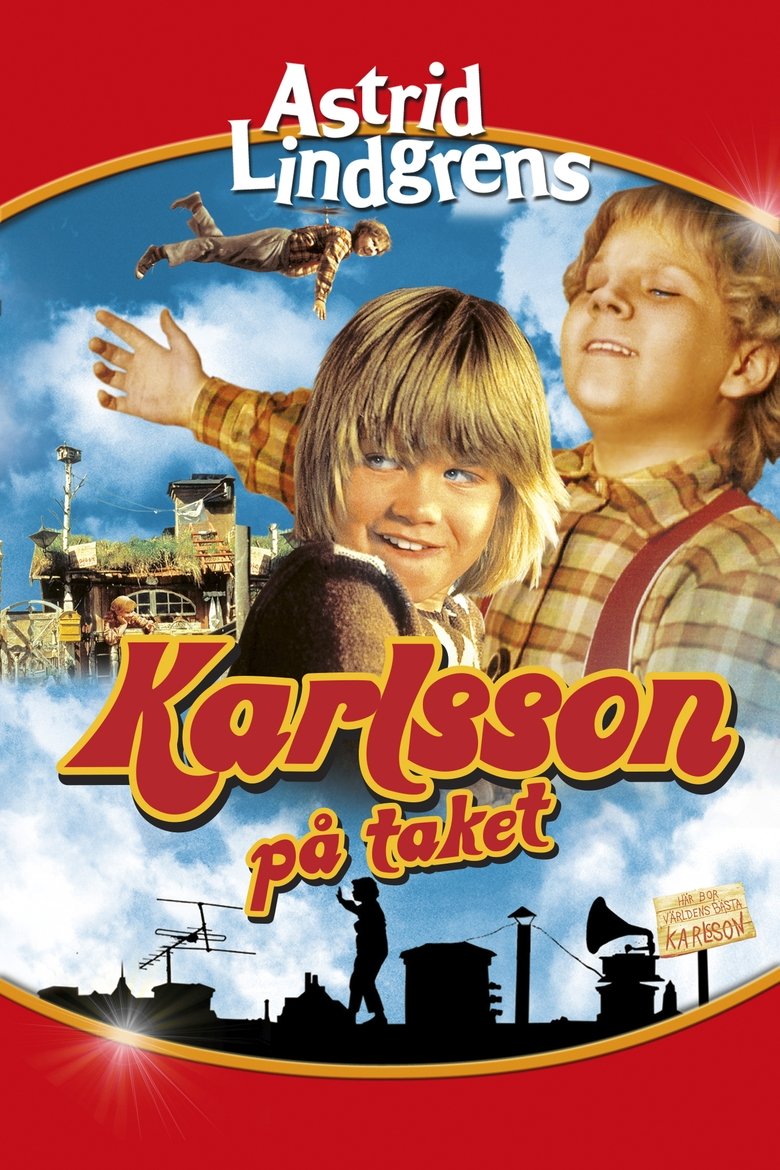
1974
Director
Olle Hellbom
Runtime
99 minutes
Average Rating
No ratings yetSynopsis
Svante is a young boy who lives with his family in a Stockholm apartment. One day he meets Karlsson, a chubby little man in the prime of his life, who can fly using a propeller on his back and who lives in his little house on the roof.
Overall Score
Limited
Category Breakdown
LGBTQ+ Representation
The story focuses entirely on the platonic bond between a young boy and a fantastical man. No queer identities or non-heteronormative subtext are present in the character arcs.
Gender Representation
Narrative momentum relies heavily on male-driven interactions between the child and Karlsson. Female characters remain in traditional domestic roles, serving as a backdrop rather than plot drivers.
Racial & Ethnic Diversity
The setting and casting reflect a highly homogeneous mid-century Stockholm. The production lacks diverse ensemble members or intersectional casting, adhering to 1970s Swedish demographic norms.
Religious & Cultural Diversity
The film depicts traditional middle-class Western domesticity. While Karlsson’s mischievous behavior disrupts social order, the film lacks a systemic critique of Western institutions.
Disability Representation
No characters with visible or neurodivergent disabilities are portrayed with agency. The flying propeller serves as a whimsical fantasy element rather than an exploration of physical disability.
Strengths
Areas for Improvement
AI Analysis
Karlsson on the Roof is a quintessential product of its era, prioritizing whimsical childhood imagination over social complexity. The narrative is built around a homogeneous cast and traditional family structures that reflect 1970s Swedish society. While the titular character provides a minor disruption to social norms through his self-interest and disregard for authority, this serves as lighthearted mischief rather than a meaningful critique of social hierarchies. The film remains firmly rooted in a conventional Western framework. Ultimately, the production lacks the intentionality to engage with intersectional identities, resulting in a narrow demographic scope that focuses on a singular, traditional social environment.
1965
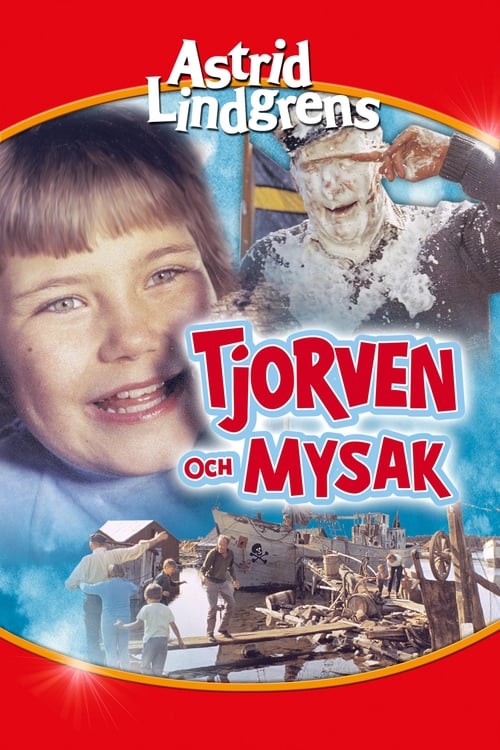
1966
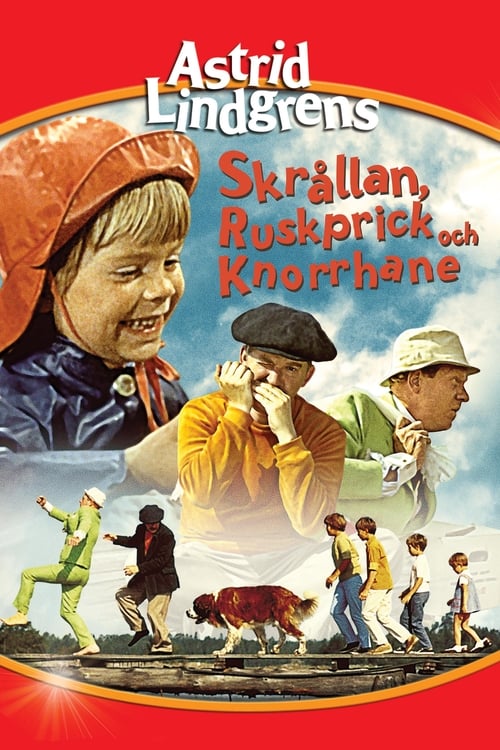
1967
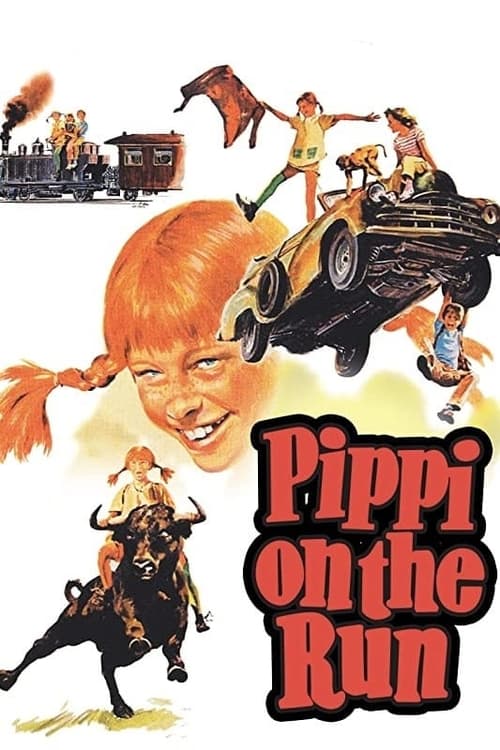
1970

1969
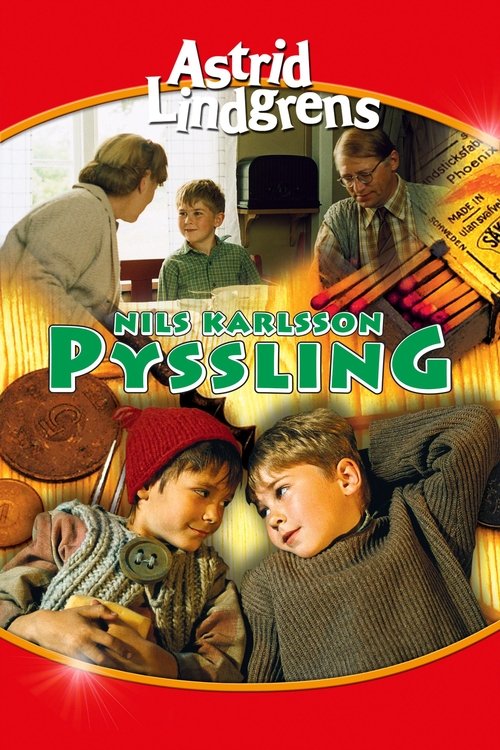
1990
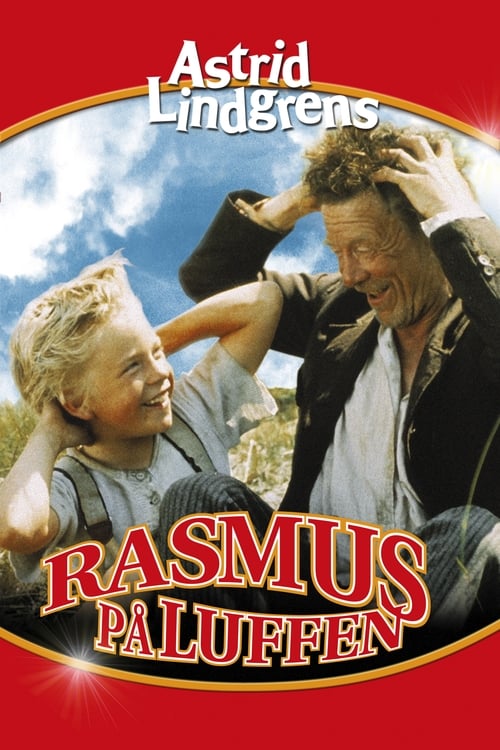
1981
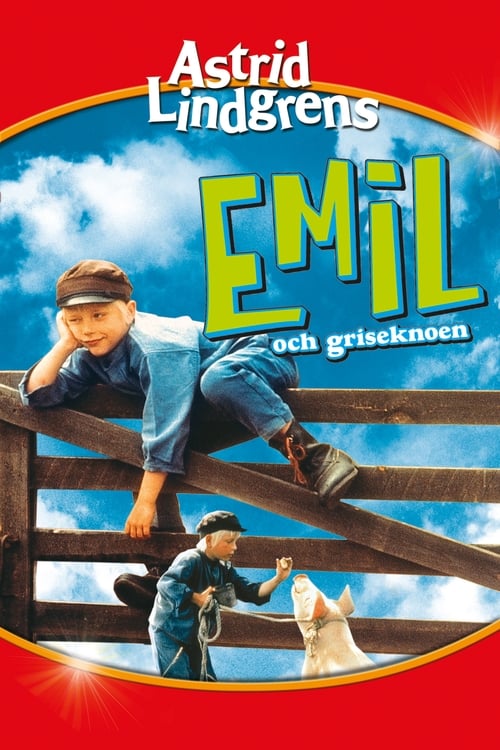
1973
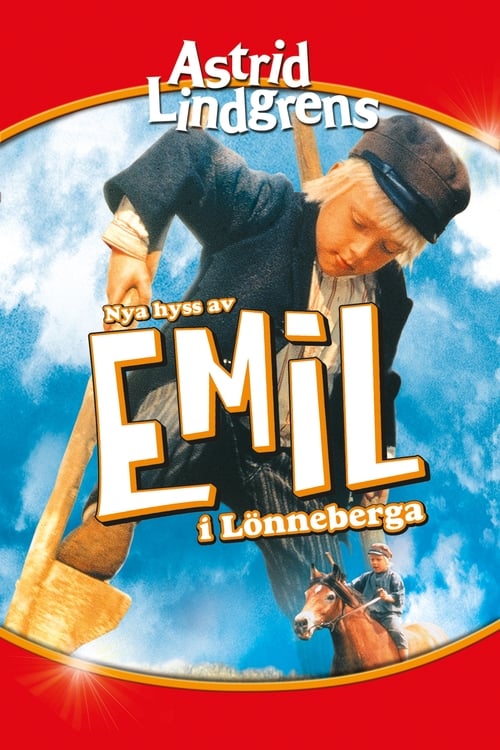
1972
1957
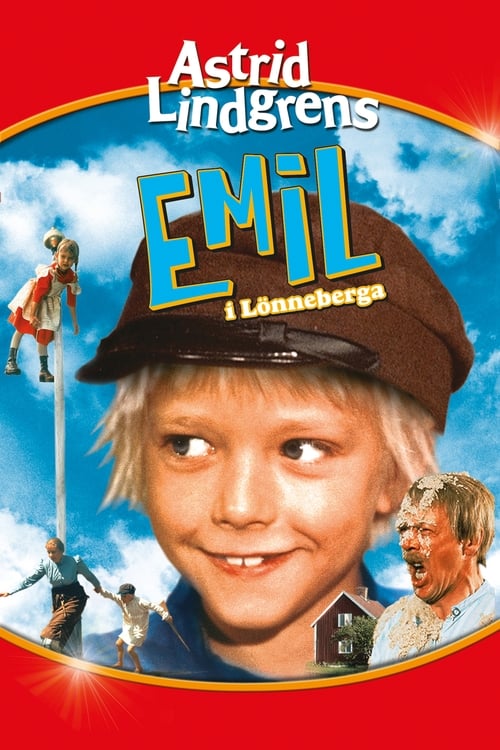
1971
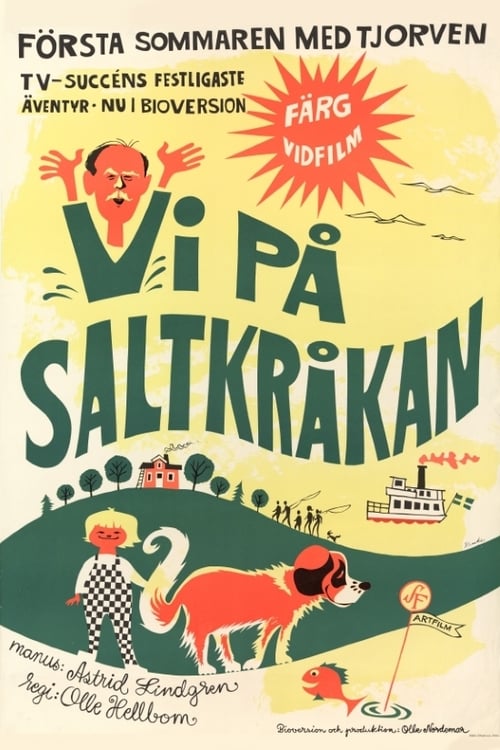
1968
No reviews yet. Be the first to share your thoughts on this movie!
Use the rating form above to leave a star rating and optional review.