Alice Cans the Cannibals
1925
No user ratings available yet
Representation score: 1.3 out of 10
Representation Score
Minimal
1925
Director
Walt Disney
Runtime
7 minutes
Average Rating
No ratings yetNew Showbiz Analysis
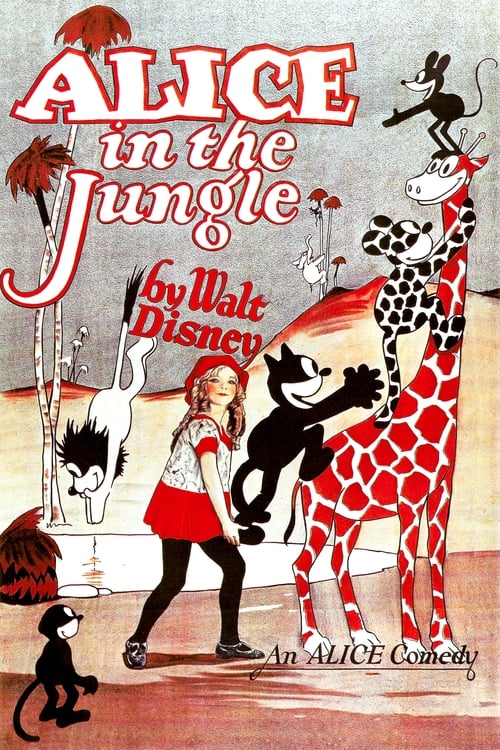
Alice in the Jungle is a foundational silent animation driven by kinetic physical comedy and episodic animal vignettes. It prioritizes slapstick humor over complex narrative structure or the exploration of identity. The film reflects the era's conventional storytelling, reinforcing traditional gender hierarchies where the male-coded character serves as the protector. It lacks the intentionality needed to engage with overlapping aspects of identity or systemic power dynamics. Ultimately, the work serves as a standard piece of early 20th-century entertainment, focusing on animal antics rather than diverse human experiences.
Category Breakdown
The film focuses on animal-centric stories and a child protagonist. There is no evidence of LGBTQ+ identities or same-sex relationships.
Alice actively participates in hunting a lion, but the narrative positions Julius the cat as the hero who rescues her, reinforcing traditional gender roles.
The jungle setting includes anthropomorphic animals but lacks racial or ethnic diversity. The cast centers on a single human and a domestic animal.
The story follows standard Western slapstick structures typical of the era. It functions as a morality-free entertainment piece without exploring complex cultural themes.
There are no characters with visible or invisible disabilities. Disability is not used as a narrative device in this short.
Present on Screen
Limited or Absent
Official Synopsis
Alice and Julius the cat are riding an elephant through the jungle. Julius falls and is nearly eaten by crocodiles but manages to escape nevertheless. Meanwhile, two elephant children are having fun at a watering hole and a monkey barber has his barber pole eaten by a hippo, who mistakes it for a candy cane. Julius tries to remedy the latter injustice by starching up a tiger's striped tail and knocking it off, using it as a replacement pole. Alice hunts a lion who proves to be too much for her to handle, but Julius bravely comes to the rescue.
1925
1929
1924

1924
1925
1926
1926
1925
No reviews yet. Be the first to share your thoughts on this movie!
Use the rating form above to leave a star rating and optional review.