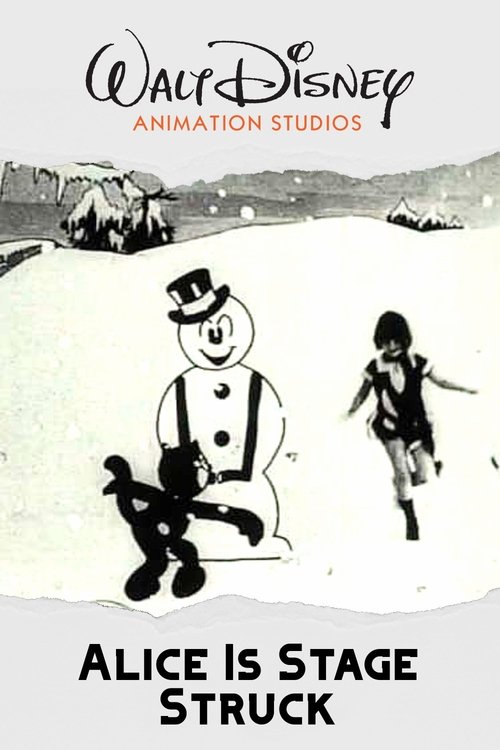
Alice Gets Stage Struck
1925
No user ratings available yet
Representation score: 0.8 out of 10

Representation Score
Limited
1923
Director
Walt Disney
Runtime
12 minutes
Average Rating
No ratings yetNew Showbiz Analysis
This early Walt Disney animation is a product of its time, emphasizing whimsical and surreal exploration over social commentary. While it offers a central female perspective through Alice, it remains anchored in traditional frameworks. The film lacks diverse representation, avoiding discussions of racial, LGBTQ+, or disability-related themes. It adheres to the social norms of the early 20th century without attempting to question established structures. Overall, the narrative focuses on whimsy and surrealism, adhering to the social and demographic norms of the era without challenging existing power dynamics.
Category Breakdown
The film does not include any LGBTQ+ characters or non-binary gender identities. It follows the social norms of the 1920s, showing no signs of queer representation or identity-focused storylines.
Alice is a key female character who plays a significant role in the story. However, the film does not challenge traditional gender roles or social hierarchies.
The film reflects the homogeneous casting practices of its time. There is no indication of a diverse cast or references to different ethnic backgrounds.
The story focuses on surreal and absurdist elements without addressing social critiques. It does not explore themes related to challenging Western morality or religious institutions.
The film does not feature any characters with disabilities. The anthropomorphic animals do not represent neurodivergence or physical disabilities.
Present on Screen
Limited or Absent
Official Synopsis
Instead of Wonderland, Alice visits the Walt Disney animation room.
1925
1988
1935
1951
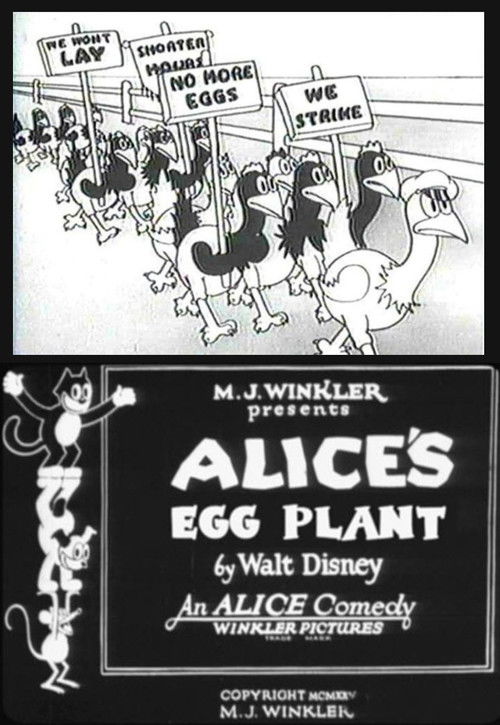
1925
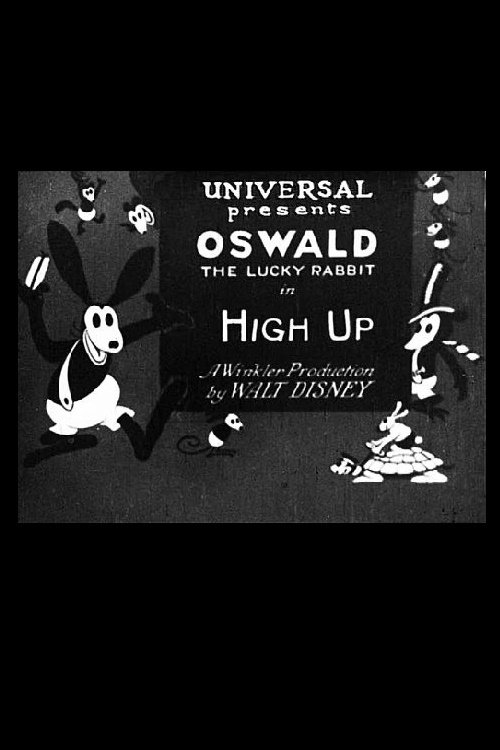
1928
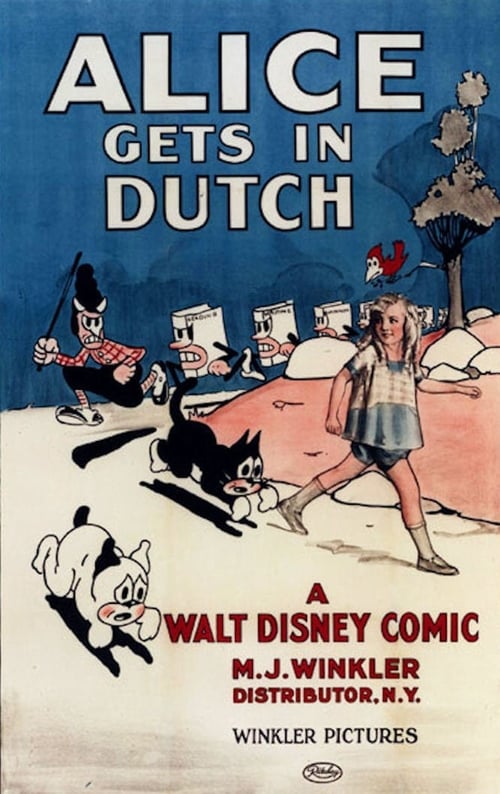
1924

1924
No reviews yet. Be the first to share your thoughts on this movie!
Use the rating form above to leave a star rating and optional review.