Alice Solves the Puzzle
1925
No user ratings available yet
Diversity score: 2.6 out of 10
1926
Director
Walt Disney
Runtime
9 minutes
Average Rating
No ratings yetSynopsis
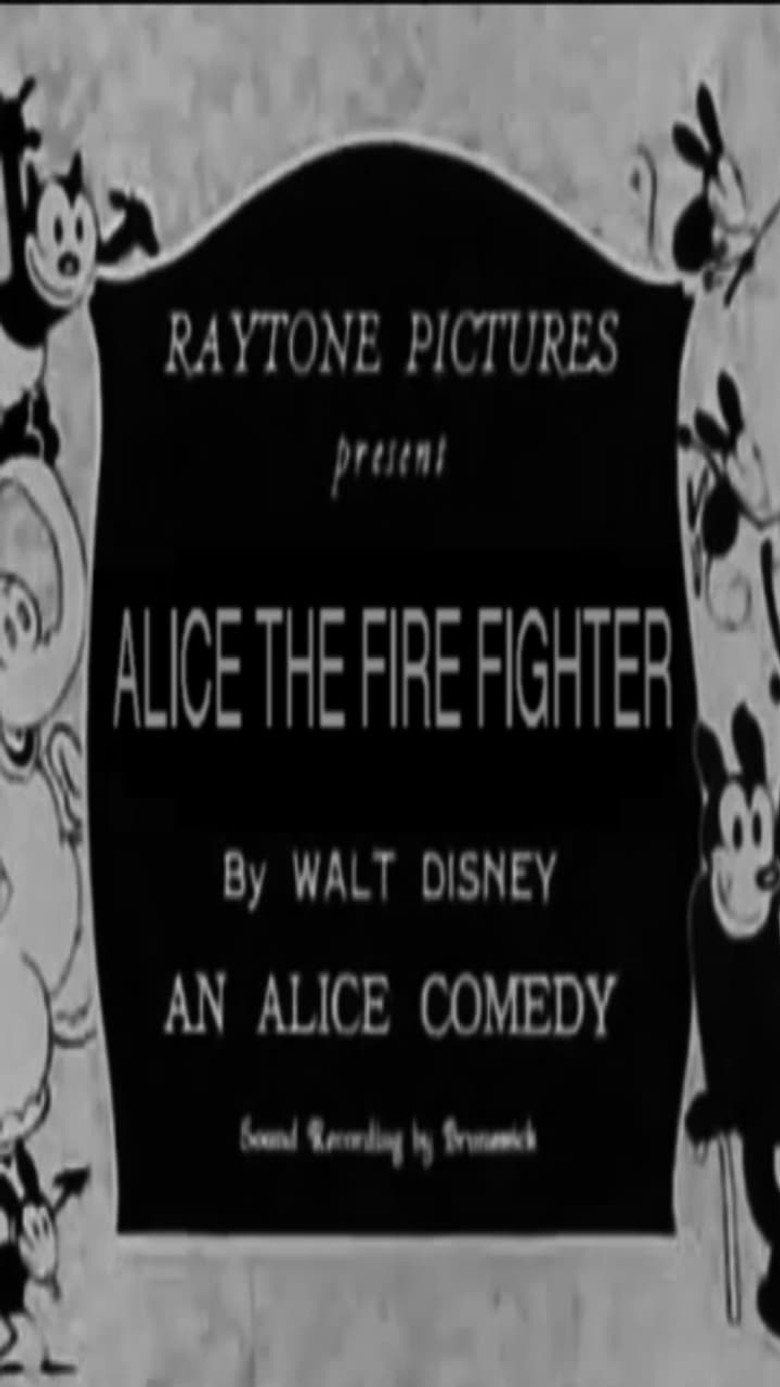
When the local hotel is found to be on fire, the firemen (all of them Julius the cat lookalikes), led by Fire Chief Alice, are called in. The residents are busy escaping the blaze while the cats get to work helping them out of the building and putting out the flames. When a feline tenant gets caught on the top floor, one of the firemen bravely saves her by riding a smoke cloud up to reach her, but when they get back to the ground, he finds her expiring from smoke inhalation. He saves the day by rolling the smoke out of her with a rolling pin, and when she revives the two fall instantly in love.
Overall Score
Limited
Category Breakdown
LGBTQ+ Representation
The story centers on a conventional romantic arc between a male cat and a female tenant. It lacks any non-heteronormative identities or critiques of traditional relationship models.
Gender Representation
Alice breaks 1920s norms by serving as the Fire Chief. This placement of a woman in a position of institutional authority provides a meaningful departure from typical domestic archetypes.
Racial & Ethnic Diversity
The use of anthropomorphic cats creates a homogeneous character pool. This stylized setting avoids human racial depictions but offers no framework for ethnic or racial diversity.
Religious & Cultural Diversity
The film reinforces Western archetypes of heroism and civic duty. The narrative aligns with traditional moral structures through its focus on community service and romantic resolution.
Disability Representation
Smoke inhalation is used strictly as a comedic plot device. There is no exploration of physical or mental health agency or characters with visible disabilities.
Strengths
Areas for Improvement
AI Analysis
Alice the Fire Fighter offers a fascinating glimpse into early animation, specifically through its subversion of gender roles. By casting Alice as the Fire Chief, the film challenges the domestic archetypes common to the 1920s. However, the film remains deeply rooted in the era's conventional social structures. The narrative relies on traditional romantic tropes and reinforces institutional stability through its depiction of civic duty. Ultimately, the lack of racial, LGBTQ+, or disability representation keeps the film within a very narrow, homogeneous framework typical of early silent-era slapstick.
1925
1927
1924
1925
1925
1925
1925
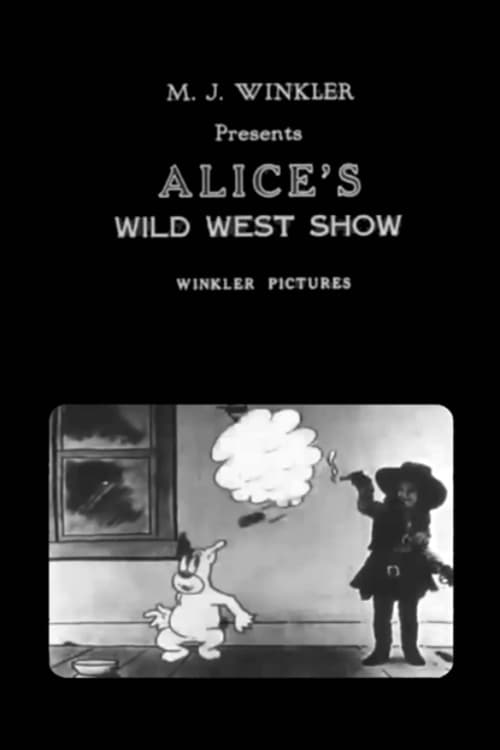
1924
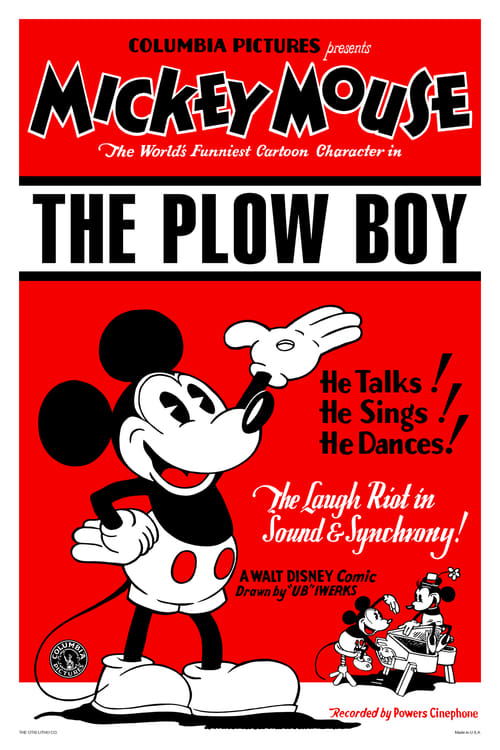
1929
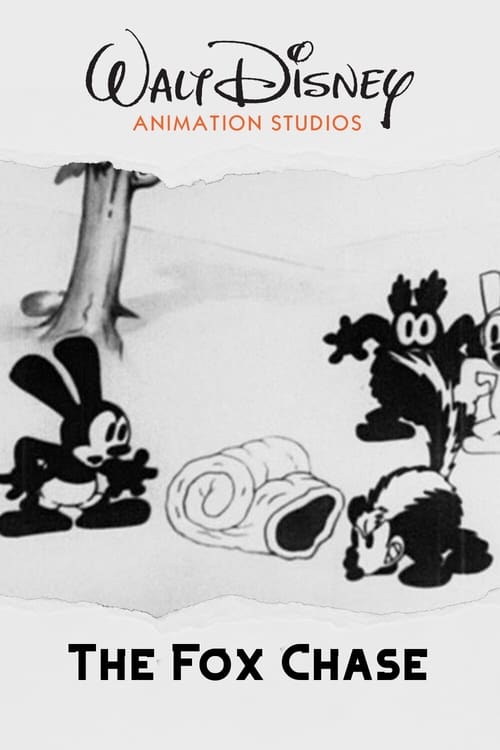
1928

1928
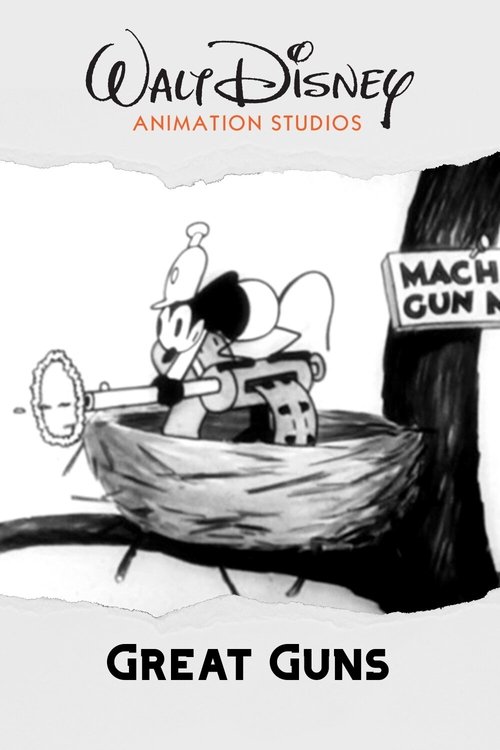
1927
No reviews yet. Be the first to share your thoughts on this movie!
Use the rating form above to leave a star rating and optional review.