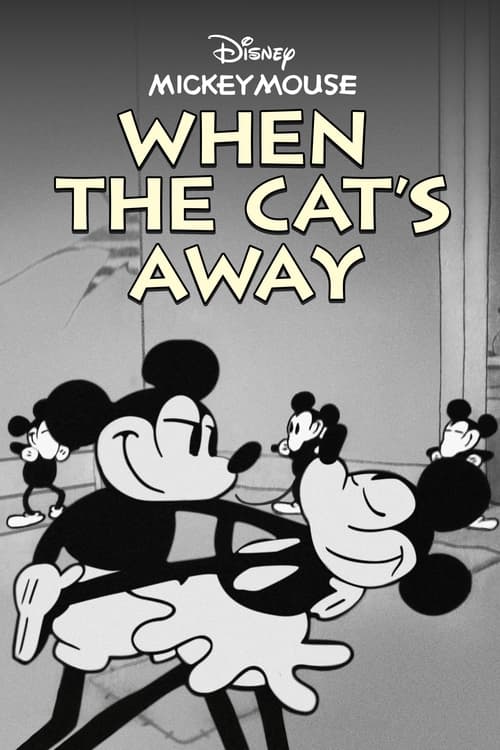
When the Cat's Away
1929
No user ratings available yet
Representation score: 0.5 out of 10
Representation Score
Minimal
1929
Director
Walt Disney
Runtime
7 minutes
Average Rating
No ratings yetNew Showbiz Analysis
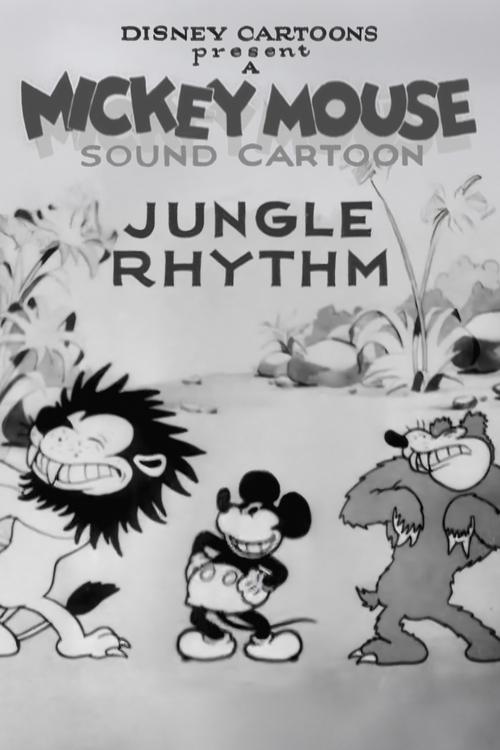
Jungle Rhythm is a product of early 20th-century animation, deeply rooted in the colonialist frameworks of its time. The film uses the African landscape as a backdrop for musical exploitation, reinforcing historical clichés without providing cultural depth. The story revolves around a single male protagonist, Mickey Mouse, who engages in a 'man vs. nature' struggle. This structure lacks multi-layered complexity and fails to represent LGBTQ+ identities or diverse gender roles. Ultimately, the film prioritizes traditionalist entertainment and Western-centric views. It serves as a snapshot of early animation clichés that emphasize character whimsy over systemic or cultural nuance.
Category Breakdown
The film does not include any visible LGBTQ+ characters or non-straight relationships. It focuses solely on Mickey Mouse and his interactions with animals.
The story centers on a lone male protagonist navigating a wilderness setting. This reinforces traditional masculine roles without challenging gender hierarchies.
The film sets the scene in an African safari, relying on colonialist clichés common to the era. It lacks depth regarding indigenous perspectives or non-Western roles.
The African landscape is used as a backdrop for musical whimsy from a Western perspective. The use of a shotgun suggests a traditionalist approach to the environment.
There is no evidence of physical or neurodivergent disabilities being depicted in this short.
Present on Screen
Limited or Absent
Official Synopsis
Mickey's on African safari, riding on an elephant, but his shotgun disintegrates the first time he tries to use it. To sooth the vicious beasts, he plays tunes, sings, and dances, using the various animals and objects around him as instruments.
1929
1930
1925
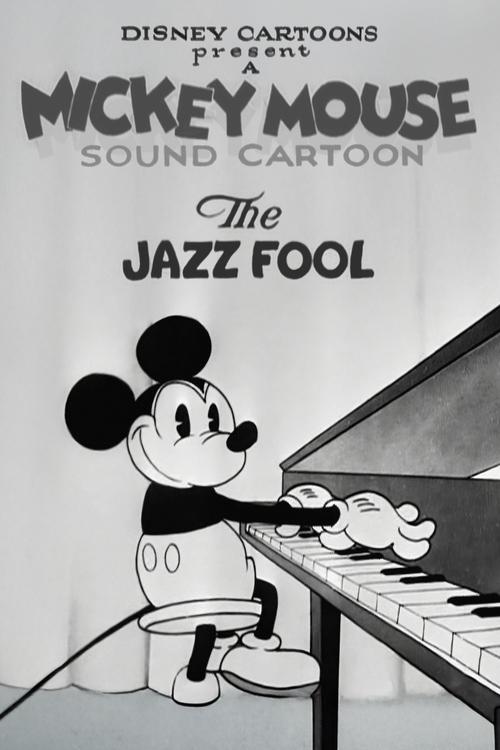
1929

1922
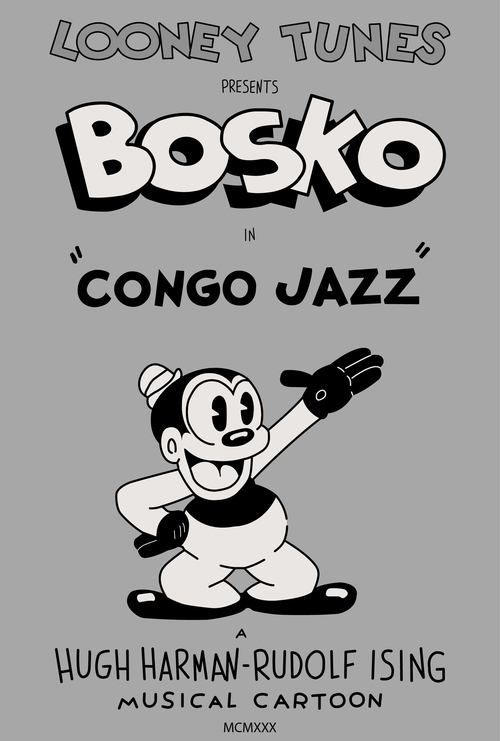
1930
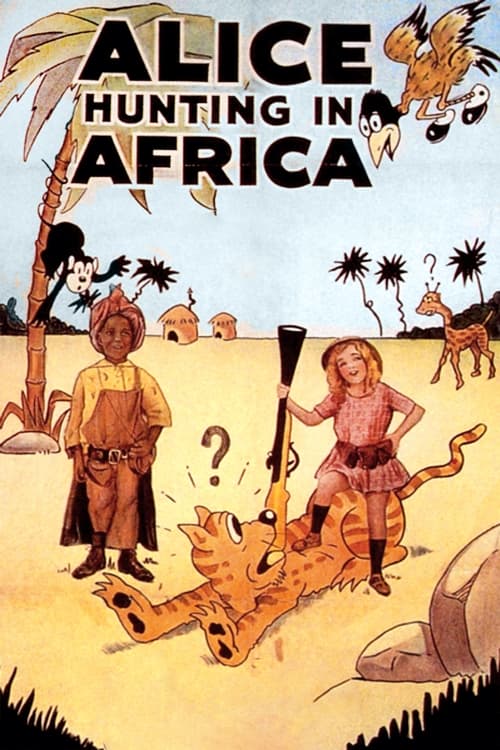
1924
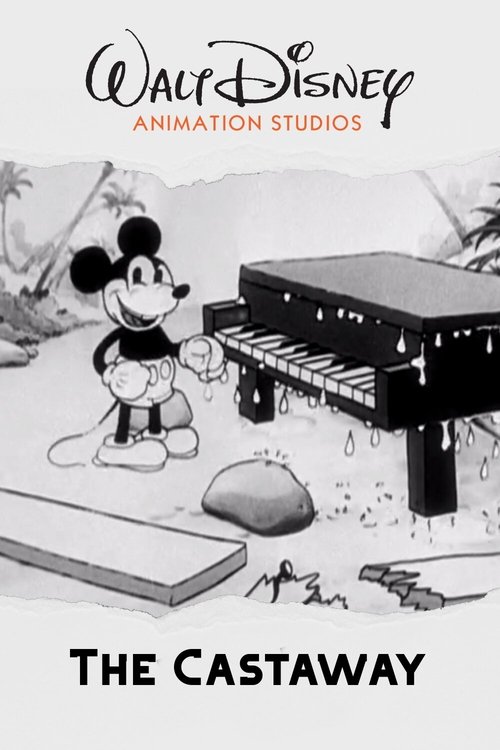
1931
No reviews yet. Be the first to share your thoughts on this movie!
Use the rating form above to leave a star rating and optional review.