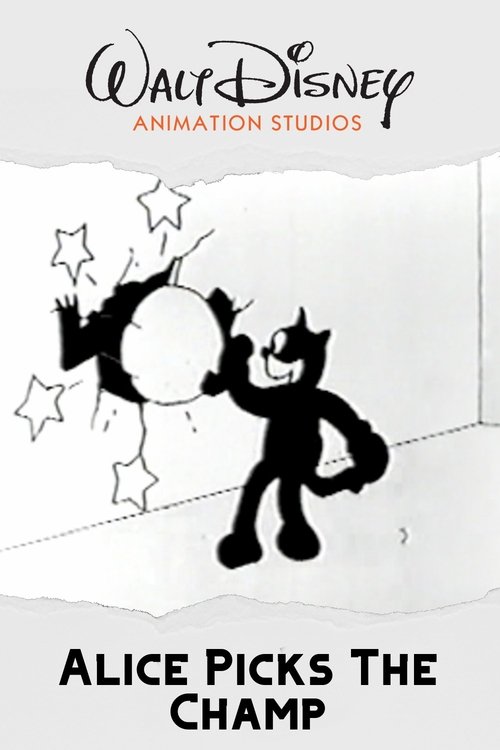
Alice Picks the Champ
1925
No user ratings available yet
Representation score: 1.5 out of 10
Representation Score
Minimal
1924
Director
Walt Disney
Runtime
7 minutes
Average Rating
No ratings yetNew Showbiz Analysis
This early Walt Disney short emphasizes slapstick humor and simple character interactions over complex social representation. The narrative centers on a quest for ingredients within a domestic setting, following the storytelling conventions of 1924. The film operates as a traditional animal fable. Since the characters are anthropomorphic animals, it lacks the opportunity to address or disrupt established social, racial, or cultural hierarchies. Ultimately, the work reflects the priorities of its time, focusing on comedic progression rather than nuanced identity or diverse representation.
Category Breakdown
The film does not include any characters or stories that address LGBTQ+ identities. It uses a traditional animal fable format.
The story takes place in a domestic kitchen setting where parents are not present during the main action. The characters seem to follow typical silent-era stereotypes without challenging gender roles.
The cast consists of anthropomorphic animals that act as universal archetypes. There is no indication of racial blending or using species as ethnic metaphors.
The narrative follows a straightforward, goal-oriented path typical of early Western animation. It adheres to standard folklore traditions without critiquing Western institutions or promoting secular views.
There are no characters depicted with visible or invisible disabilities. The story does not include any representations of neurodivergence or physical impairments.
Present on Screen
Limited or Absent
Official Synopsis
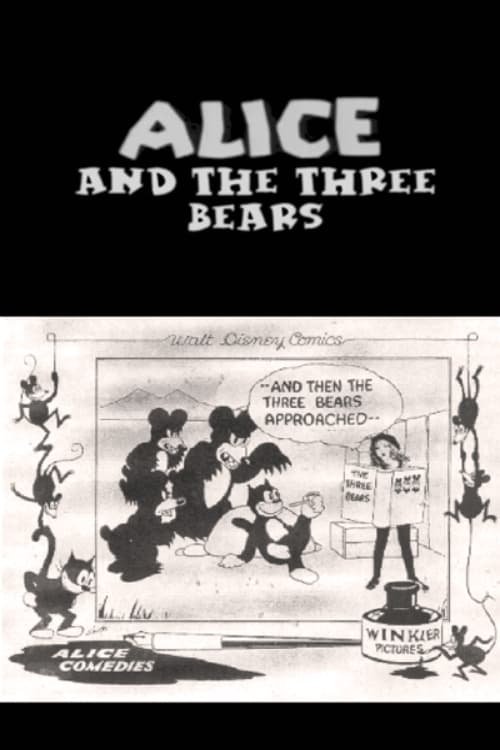
The Three Bears are busy cooking when Baby Bear realises his recipe requires hops. Naturally his first inclination is to go find some frogs to provide for him his hops, so he runs off and pursues a frog at the local pond. In the meantime Alice and her cat stumble upon the Three Bears' house and sneak inside (Ma and Pa Bear are nowhere to be seen).
1925
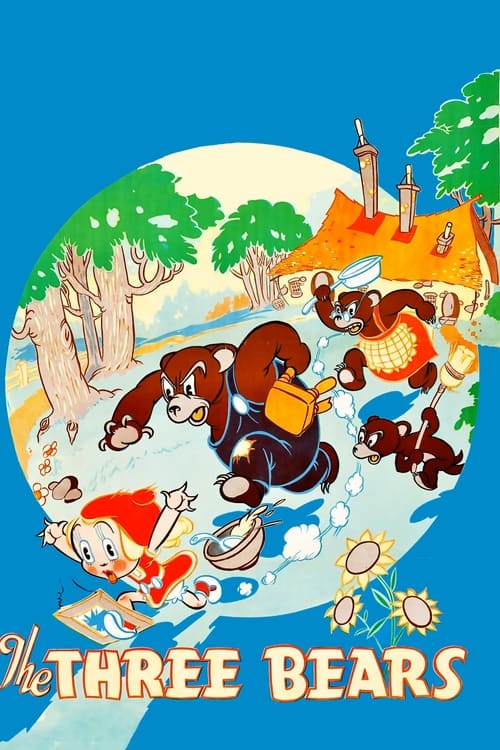
1935
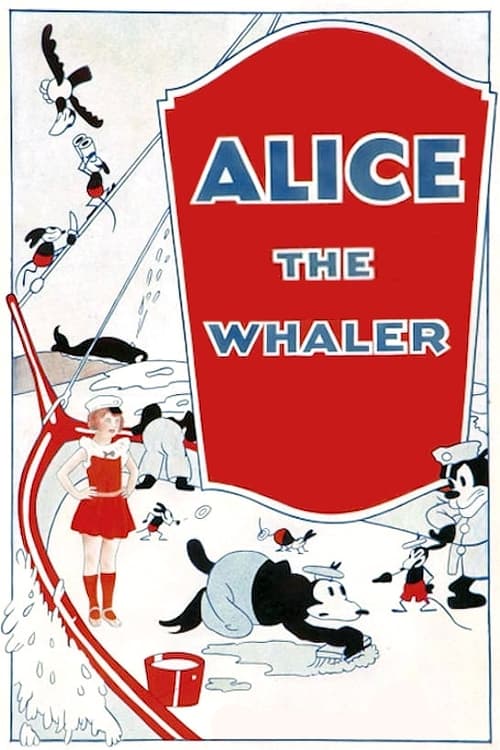
1927
1925
1925
1925
1925
1926
No reviews yet. Be the first to share your thoughts on this movie!
Use the rating form above to leave a star rating and optional review.