[Is A.]
2004
No user ratings available yet
Representation score: 1.9 out of 10
Representation Score
Limited
2024
Director
Akira Yamamoto
Runtime
127 minutes
Average Rating
No ratings yetNew Showbiz Analysis
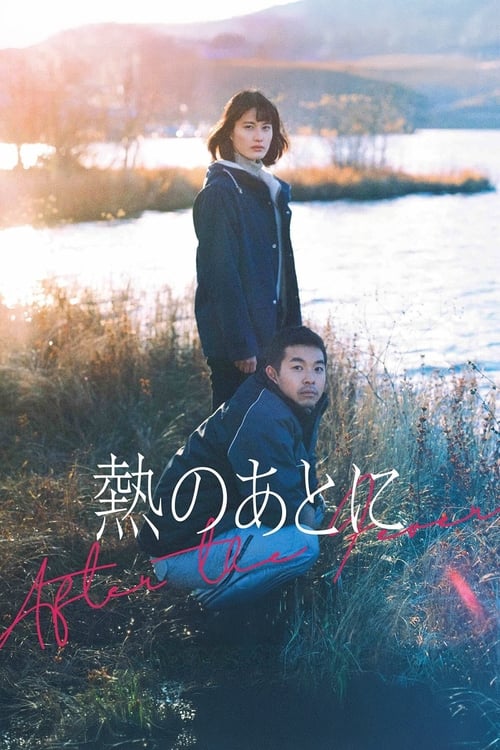
After the Fever is a psychological character study that avoids the sanitized clichés of domestic perfection. By centering a protagonist with a violent, incarcerated past, the film explores the friction between social reintegration and unresolved obsession. The narrative succeeds in presenting a female lead with ability to act and moral ambiguity. However, the film lacks explicit markers of diversity, such as LGBTQ+ representation or multi-ethnic dynamics, which limits its progressive scope. Ultimately, the film functions as a localized drama focused on human dysfunction. It trades traditional restorative arcs for a deeper look at the fragility of stability.
Category Breakdown
The film focuses on a traditional marriage and conflicts with an ex-partner. There are no non-straight or non-cisgender identities or stories present.
Sanae serves as a complex female protagonist who play a significant role in driving the story. Her refusal to conform to domestic expectations disrupts traditional depictions of stable marriage.
The setting suggests a Japanese cultural context, but specific details on cast composition are unavailable. The score reflects a neutral baseline for a localized drama.
The story challenges idealized family clichés by focusing on a protagonist with a criminal history. It prioritizes moral ambiguity over traditional social stability.
There is no mention of neurodivergence or physical disabilities. While the protagonist shows psychological complexity, no specific disability is documented.
Present on Screen
Limited or Absent
Official Synopsis
Sanae, who went to prison after failing to kill her ex-boyfriend six years ago, meets Kenta, a forest ranger, and gets married. Sanae and Kenta's married life takes a new turn when the wife of Sanae's ex-boyfriend appears. Sanae still can't forget her ex-boyfriend, and Kenta is having a hard time dealing with her.
2004

1997
2012

2007

1995

2004

2014

2016
No reviews yet. Be the first to share your thoughts on this movie!
Use the rating form above to leave a star rating and optional review.