Nudity
1990
No user ratings available yet
Representation score: 5.8 out of 10
Representation Score
Limited
1989
Director
Sergei Bodrov
Runtime
76 minutes
Average Rating
No ratings yetNew Showbiz Analysis
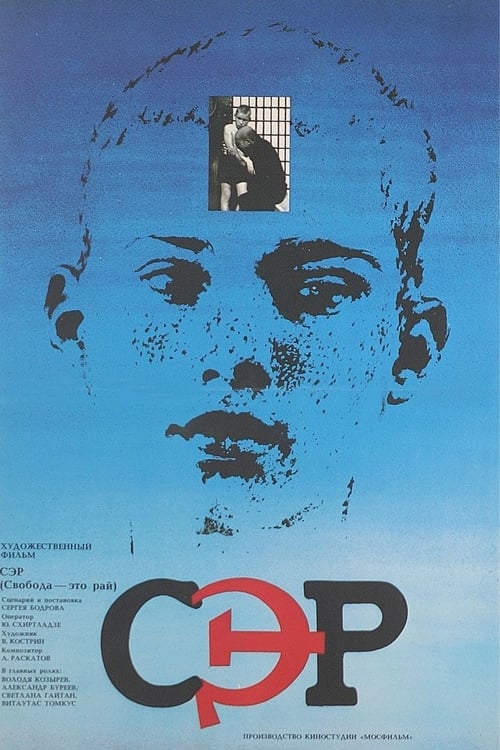
Freedom Is Paradise functions primarily as a critique of systemic issues rather than a study of identity politics. Its strength lies in its portrayal of state-run care as a dehumanizing, penal force that stifles individual autonomy. However, the film lacks breadth in interpersonal representation, focusing narrowly on male figures and lacking visible diversity in terms of sexual orientation, ethnicity, or disability. Ultimately, the film's social commentary is found in its challenge to centralized power and the struggle for familial connection against a restrictive state architecture.
Category Breakdown
The film does not include any LGBTQ+ characters or narratives. There are no depictions of non-straight relationships or identities.
The story centers around a male protagonist and his incarcerated father. Although the mother's death serves as a catalyst, the film primarily focuses on the male experience within a strict system.
Reflecting its Soviet-era production context, the cast appears ethnically uniform. The film lacks evidence of multi-ethnic blending or diverse racial representation.
The film strongly critiques state-run institutions. It portrays the children's home as a penal environment, challenging the idea of the state as a benevolent caregiver.
There is no mention of characters with visible or invisible disabilities. The documentation provides no information regarding disability representation.
Present on Screen
Limited or Absent
Official Synopsis
Young Sasha is brought into a state-run children's home because his mother died early and his father spends most of his life in prison. The conditions are like in a penal institution. Sasha tries several times to escape and to search for his father.
1990
1977

1989

1985
1990
2003

2008

1979
No reviews yet. Be the first to share your thoughts on this movie!
Use the rating form above to leave a star rating and optional review.