Veria Fair
1905
No user ratings available yet
Representation score: 4.3 out of 10

Representation Score
Limited
1905
Director
Yanaki Manaki, Milton Manaki
Runtime
1 minutes
Average Rating
No ratings yetNew Showbiz Analysis
As a foundational piece of Balkan cinema, *Weaving Women* serves primarily as a cultural archive. It provides essential visibility for Macedonian women and ethnic identity, offering a unique glimpse into regional life during the early 1900s. However, the film lacks narrative complexity or intentional subversion. The subjects are depicted within traditional domesticity and social structures, making it a historical record rather than a progressive critique. Ultimately, the film's value lies in its ethnographic documentation of specialized craft and communal industry, even if it does not challenge the status quo of its time.
Category Breakdown
The film does not include any LGBTQ+ characters or non-straight relationships. It focuses on the everyday lives of women involved in domestic labor.
Women are the main subjects, highlighted through their skilled and labor-intensive work in the home. While this portrayal challenges passive roles, it still adheres to traditional gender hierarchies.
The film features significant ethnic representation by focusing on Macedonian women. This departs from the typical Western European focus found in early 20th-century cinema.
The film preserves traditional Balkan social structures and communal labor practices. It serves as a historical record rather than a critical examination of these practices.
There is no depiction of physical or neurodivergent disabilities in this documentary.
Present on Screen
Limited or Absent
Official Synopsis
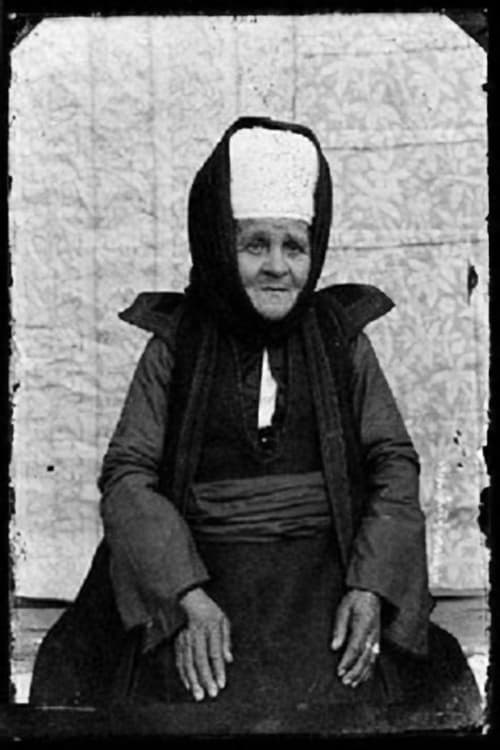
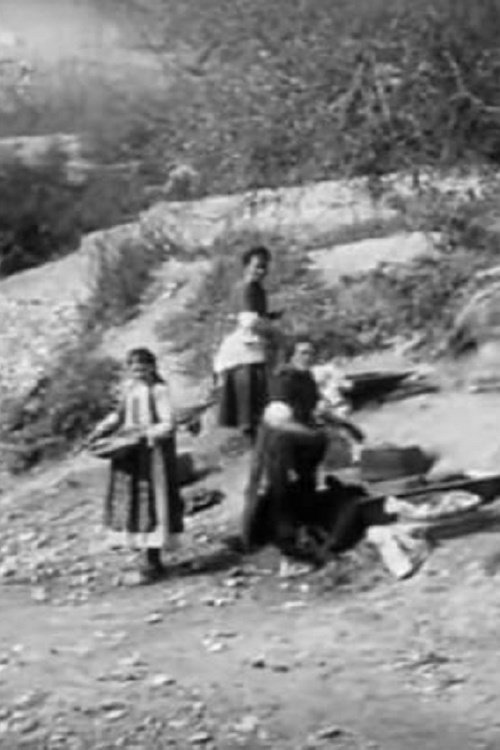
A group of Macedonian women are shown hard at work.
1905
1905
1905
1905
1905
1905
1897
1905
No reviews yet. Be the first to share your thoughts on this movie!
Use the rating form above to leave a star rating and optional review.