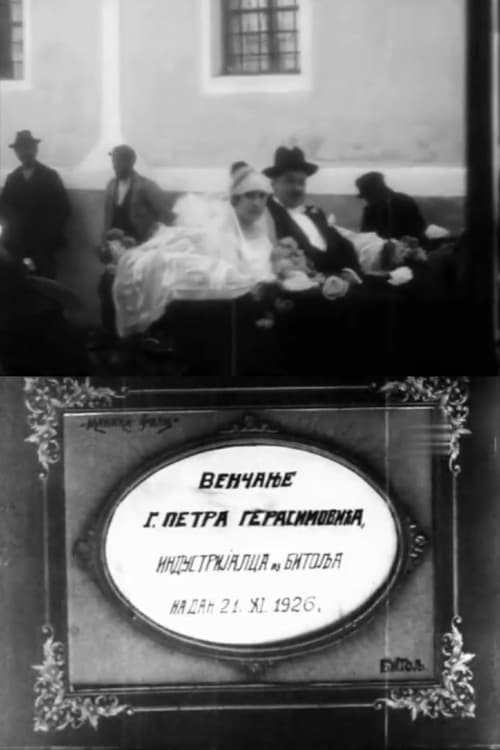
A Wedding in Bitola
1905
No user ratings available yet
Representation score: 1.8 out of 10
Representation Score
Minimal
1905
Director
Yanaki Manaki, Milton Manaki
Runtime
6 minutes
Average Rating
No ratings yetNew Showbiz Analysis
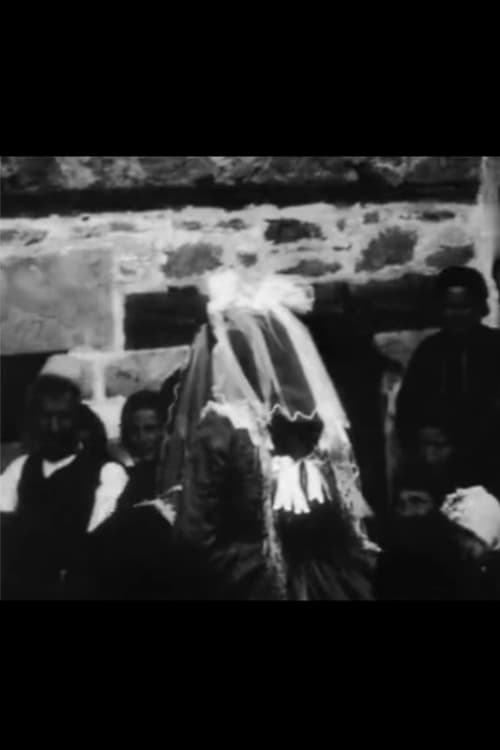
Village Wedding serves as a crucial ethnographic record, providing an unfiltered look at Balkan ethnic identities during the Ottoman era. Its strength lies in its historical accuracy and its ability to document regional customs without Western influence. However, the film primarily reinforces traditional social structures. It lacks the character-driven arcs or subversions of hierarchies seen in contemporary progressive films. Ultimately, the work preserves a specific cultural moment. While it excels in documenting ethnic diversity, it adheres strictly to the period’s rigid gender and social norms.
Category Breakdown
The film focuses on a traditional wedding ceremony from the early 20th century Balkans. There are no representations of LGBTQ+ identities or narratives in this historical record.
Women play key roles in the communal dances and rituals, but their positions are defined by traditional ceremonial functions. The film highlights the strict gender roles of the time.
This film offers a genuine glimpse into the diverse ethnic communities of the Bitola region during the Ottoman period. It captures various ethnic identities without resorting to Western stereotypes.
The documentary emphasizes religious customs, family unity, and societal hierarchies. It upholds the sanctity of local traditions and communal values without challenging them.
There are no visible or documented depictions of individuals with disabilities in the footage.
Present on Screen
Limited or Absent
Official Synopsis
The Manaki brothers document the elegant wedding of a presumably popular couple.
1905
1905
1905
1896

1905
1905
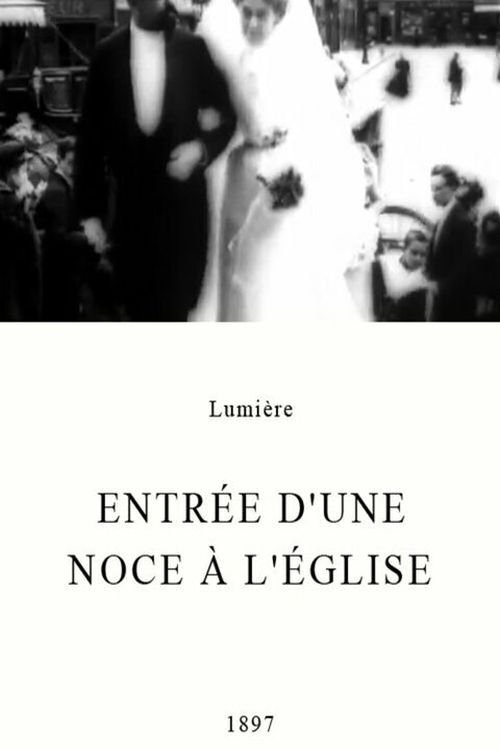
1897
1905
No reviews yet. Be the first to share your thoughts on this movie!
Use the rating form above to leave a star rating and optional review.