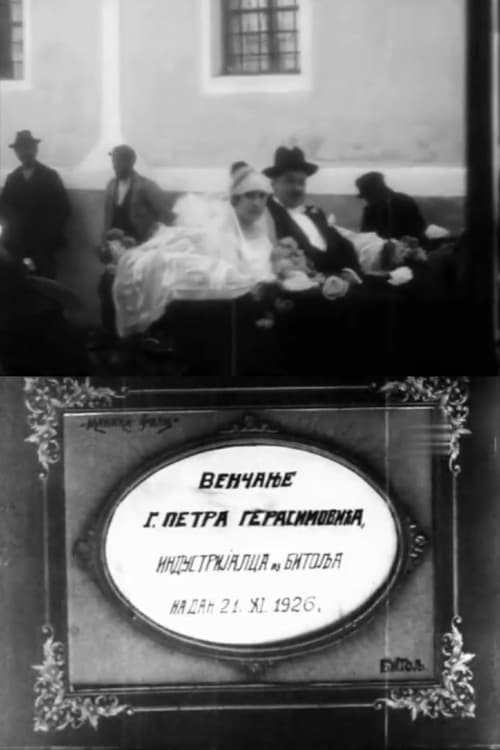
A Wedding in Bitola
1905
No user ratings available yet
Representation score: 1.8 out of 10
No Poster Available
Representation Score
Limited
1905
Director
Yanaki Manaki, Milton Manaki
Runtime
1 minutes
Average Rating
No ratings yetNew Showbiz Analysis
Market Day in Bitola serves as a vital ethnographic record of the Ottoman-era Balkans. Its primary strength lies in its unintentional depiction of ethnic and religious pluralism, offering a multifaceted view of a historical social landscape. However, the film lacks intentionality regarding modern social representation. It does not depict LGBTQ+ identities or disability representation. Women are present in the public sphere but adhere to traditional gender norms.
Category Breakdown
The film focuses on public commerce in an Ottoman-era Balkan market and does not depict any queer identities or same-sex intimacy.
Both men and women are shown participating in the marketplace, reflecting early 20th-century social norms. The footage does not challenge traditional gender roles.
The film captures a diverse population with various ethnic and religious backgrounds within an Ottoman-era Balkan market, showcasing traditional attire and communal interactions.
As a neutral historical record, the film documents a complex, multi-ethnic reality, providing a nuanced view of historical power dynamics and social landscapes.
There is no evidence of characters with visible or invisible disabilities being portrayed with real depth or as central subjects.
Present on Screen
Limited or Absent
Official Synopsis
The Manaki brothers have filmed a market.
1905
1905
1905
1911
1905
1905
1908
1908
No reviews yet. Be the first to share your thoughts on this movie!
Use the rating form above to leave a star rating and optional review.