Washerwomen on the River
1897
No user ratings available yet
Representation score: 3.3 out of 10
Representation Score
Minimal
1905
Director
Milton Manaki, Yanaki Manaki
Runtime
1 minutes
Average Rating
No ratings yetNew Showbiz Analysis
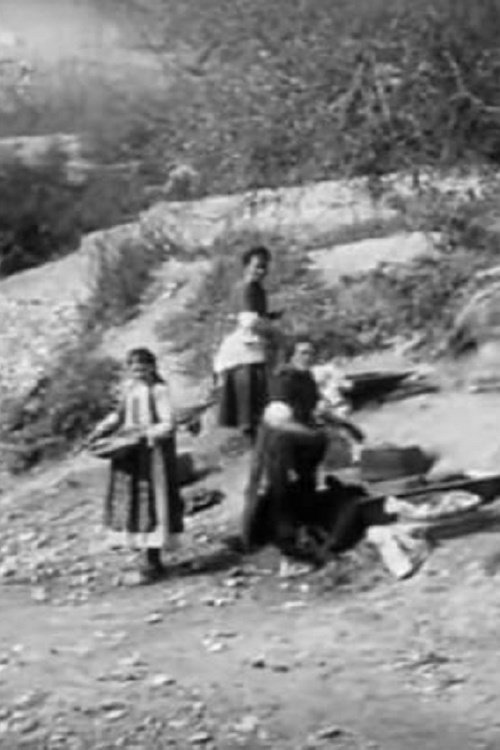
Washerwomen is a crucial historical document that offers rare visibility to women in early cinema. By capturing Balkan life, it provides a non-Western perspective that is significant for the time. However, the film is primarily an observational documentary rather than a narrative designed to challenge social hierarchies. It focuses on women within the conventional gender roles of 1905, emphasizing domestic labor without addressing their ability to act or intellectual influence.
Category Breakdown
The film does not include any LGBTQ+ characters or narratives. It focuses solely on the depiction of domestic labor without addressing assumptions about straight relationships.
Women are central to the film, highlighting their roles during a historical period. However, they are shown strictly within traditional, domestic duties such as laundry.
This film provides a unique look at Balkan culture, offering a non-Anglo-Saxon perspective. While it adds authenticity, there is no indication of deliberate efforts to include diverse casting.
The film captures everyday life and routines through communal activities. It does not offer any critique or deconstruction of traditional institutions or social structures.
There is no evidence of the portrayal of physical or neurodivergent identities in this work.
Present on Screen
Limited or Absent
Official Synopsis
A couple of women are washing outside.
1897
1896

1905

1896
1897
1897
1896

1897
No reviews yet. Be the first to share your thoughts on this movie!
Use the rating form above to leave a star rating and optional review.