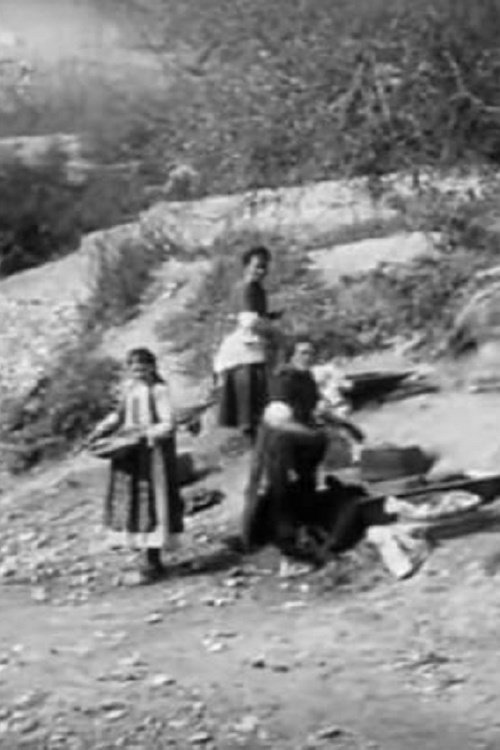
Washerwomen
1905
No user ratings available yet
Representation score: 1.9 out of 10
Representation Score
Limited
1897
Director
Auguste Lumière, Louis Lumière
Runtime
1 minutes
Average Rating
No ratings yetNew Showbiz Analysis
This foundational 'actualité' film serves primarily as a historical record of daily life rather than a tool for progressive social commentary. Its value lies in its unvarnished documentation of working-class environments and gendered labor. While the film centers women in their communal economic tasks, it lacks the narrative complexity needed for characters who reflect more than one aspect of diversity. The social environment depicted appears homogeneous, lacking racial or LGBTQ+ diversity. Ultimately, the work captures a snapshot of late 19th-century social structures, providing visibility to female workers but not engaging with the complex identity politics found in modern cinema.
Category Breakdown
The film does not include any characters or references to LGBTQ+ identities. It focuses on documenting the daily lives of washerwomen without exploring gender identity.
The film highlights women engaged in strenuous, communal labor, providing a nuanced look at the gendered economic realities of the time.
The film depicts a relatively homogeneous social environment with no evidence of a diverse cast. It lacks multi-layered depth regarding racial or ethnic diversity.
As a secular, observational film, it focuses on everyday life and avoids religious themes. It does not critique Western institutions or capitalism.
The film does not feature any characters with physical or neurodivergent disabilities. It focuses solely on the communal labor of the washerwomen.
Present on Screen
Limited or Absent
Official Synopsis
Women wash clothes in a washhouse on the edge of a river.
1905

1896
1896
1896

1897
1896

1896
1898
No reviews yet. Be the first to share your thoughts on this movie!
Use the rating form above to leave a star rating and optional review.