
Weaving Women
1905
No user ratings available yet
Representation score: 3.0 out of 10
Representation Score
Limited
1905
Director
Yanaki Manaki, Milton Manaki
Runtime
1 minutes
Average Rating
No ratings yetNew Showbiz Analysis
Grandma Despina is an important ethnographic document that offers an early look into Balkan identity. Its significance lies in being a non-Western visual record during a time when Western cinema dominated. While the film does not have the modern complexity or progressive narratives of today, it still holds value as a historical and regional document. By focusing on a woman's domestic labor, it subtly challenges the male-centric view of early cinema. Ultimately, the film's worth is in its historical documentation of a specific cultural moment through the eyes of pioneering local filmmakers.
Category Breakdown
This film does not include any LGBTQ+ characters or stories about non-straight identities.
The film focuses on Despina, a woman involved in traditional weaving. It challenges the usual male-focused view by highlighting a woman's ritual as a key part of Macedonian film history.
The work highlights a local subject in a non-Western setting, providing an early example of regional ability to act. This counters the era's trend towards Western-centric viewpoints in cinema.
The film captures a moment of traditional, pre-modern life through local cultural practices. It serves as a historical record of labor rather than a critique of social structures.
There is no information about the portrayal of disabilities in this historical record.
Present on Screen
Limited or Absent
Official Synopsis
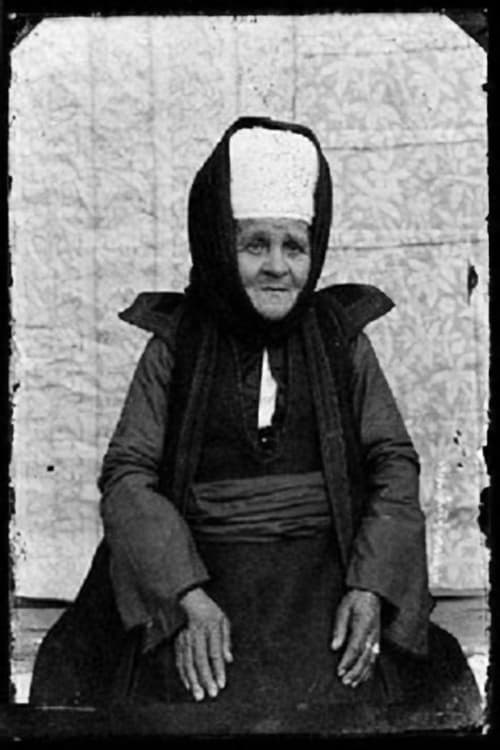
This scene is a part of the very first film shot produced by the Manaki Brothers. Despina, the Janaki and Milton Manaki's grandmother, was recorded weaving in one high-angle shot. For no apparent reason, the first shot made in Macedonia, in the Balkans in fact, made by these two cinematography pioneers, contains peculiar symbolics: at the moment when the grandmother Despina spins the weaving wheel, film starts rolling in our country.
1905
1905
1905
1911
1908
1911
1905
1905
No reviews yet. Be the first to share your thoughts on this movie!
Use the rating form above to leave a star rating and optional review.