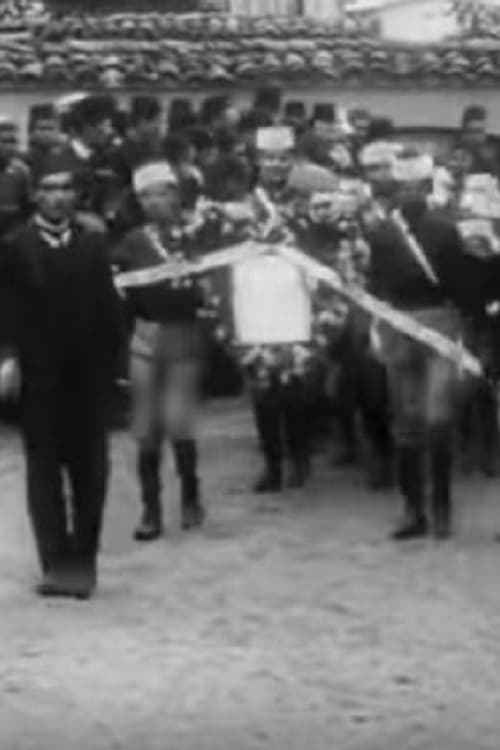
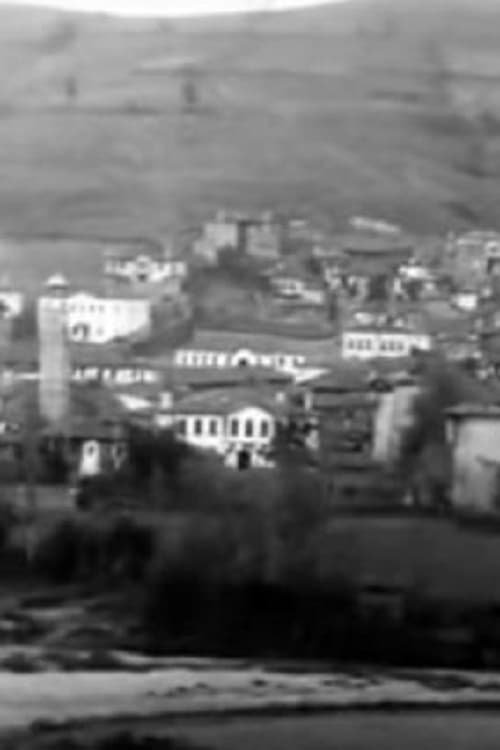
The Celebration of St. Cyril and Methodius on the Main Street in Bitola
1905
No user ratings available yet
Representation score: 1.3 out of 10
Representation Score
Minimal
1905
Director
Yanaki Manaki, Milton Manaki
Runtime
2 minutes
Average Rating
No ratings yetNew Showbiz Analysis
As an early ethnographic documentary, this film serves as a historical artifact rather than a narrative tool for social commentary. It captures the social customs of the Balkan region during a period of geopolitical transition. The low diversity score reflects the film's nature as a period-specific record. It lacks the scripted character arcs or intentionality required to engage with modern frameworks of diversity and systemic critique. Ultimately, the work preserves traditional social structures of 1905 without attempting to challenge or subvert them through storytelling.
Category Breakdown
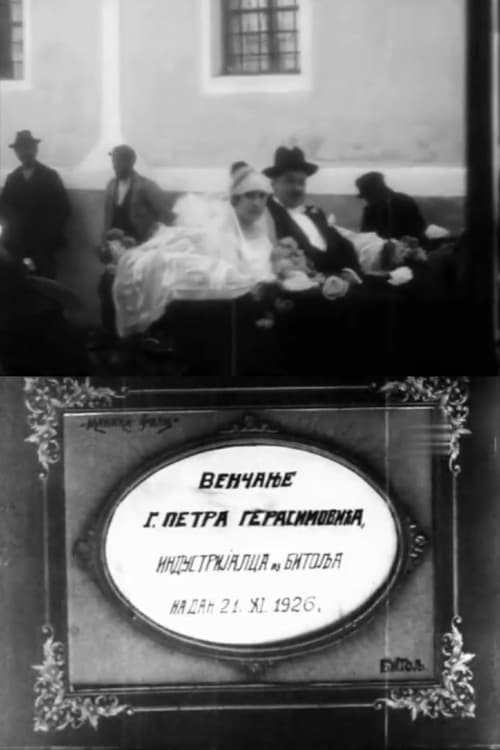
The film depicts a traditional 1905 wedding ceremony and does not include any representations of LGBTQ+ identities or same-sex relationships, reflecting the social norms of the time.
Women play central roles in the wedding rituals, but the footage also reflects the gender hierarchies prevalent in the early 20th-century Balkans. These roles align with the social constraints of the period.
This ethnographic study highlights significant visibility for Balkan ethnic identities. It serves as a crucial historical record of non-Anglo-Saxon cultural expressions and heritage.
The footage focuses on traditional Balkan institutions and communal marriage rituals. It documents these social structures without modern secular or anti-institutional critiques.
There is no evidence in the visual record indicating the portrayal of individuals with physical or neurodivergent disabilities.
Present on Screen
Limited or Absent
Official Synopsis
Early Balkan footage.
1905
1908
1905
1905

1912
1908
1908
1911
No reviews yet. Be the first to share your thoughts on this movie!
Use the rating form above to leave a star rating and optional review.