Wallachian Dance
1905
No user ratings available yet
Representation score: 2.5 out of 10
No Poster Available
Representation Score
Fair
1905
Director
Yanaki Manaki, Milton Manaki
Runtime
1 minutes
Average Rating
No ratings yetNew Showbiz Analysis
Veria Fair acts as a crucial ethnographic document rather than a modern narrative. Its value lies in its authentic portrayal of Balkan communal life and regional ethnic identity during the early 20th century. Produced in 1905, the film does not have the intentionality needed to address contemporary identity politics or social subversion. It functions as a neutral observer of historical customs rather than a tool for social commentary. While the film provides a non-Western perspective on human celebration, it is limited by the era's social constraints and the technical nature of early cinematic documentation.
Category Breakdown
The film does not show any explicit LGBTQ+ identities or non-straight relationships. Given its nature as a 1905 documentary, there is no clear depiction of queer individuals or communities.
The footage includes both men and women engaging in communal dances. However, it reflects the traditional gender roles and social structures common in the early 20th-century Balkans.
The film provides a detailed look at the local Balkan community through a regional fair. It offers a valuable, non-Western perspective on regional communal life and celebration.
This work serves as a neutral record of traditional folk celebrations. It focuses on a localized cultural experience without challenging religious or familial traditions.
There is no clear indication of the representation of physical or neurodivergent disabilities. The limitations of early silent documentary footage prevent any specific observations about disabilities.
Present on Screen
Limited or Absent
Official Synopsis
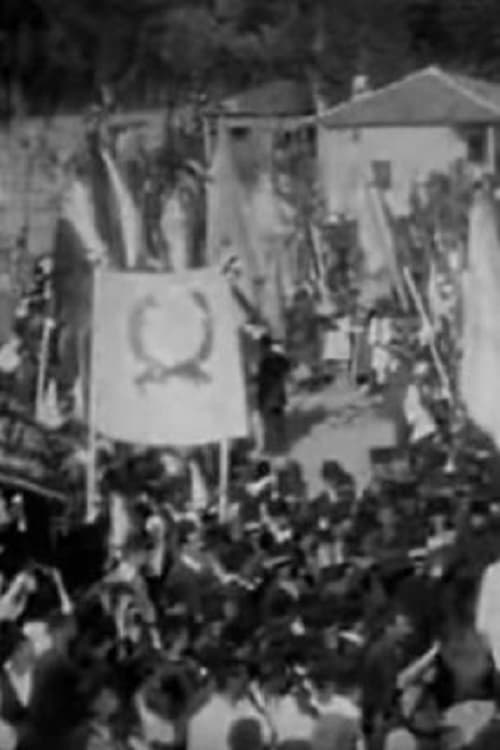
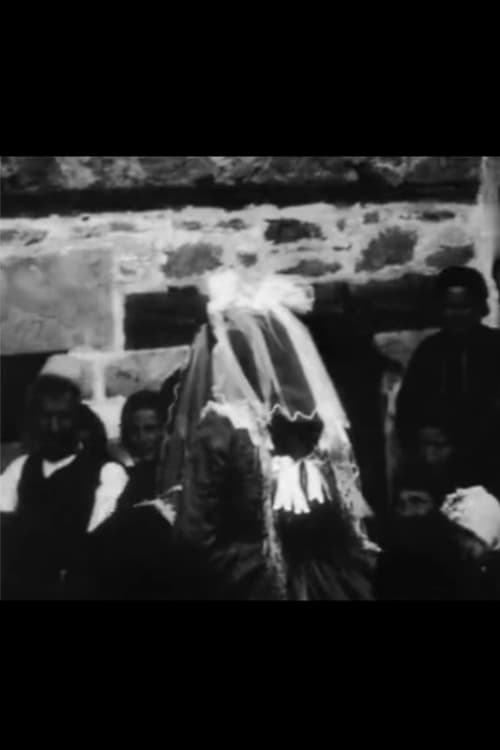
A group of dancing people.
1905

1905
1905
1908
1905
1905
1905
1905
No reviews yet. Be the first to share your thoughts on this movie!
Use the rating form above to leave a star rating and optional review.