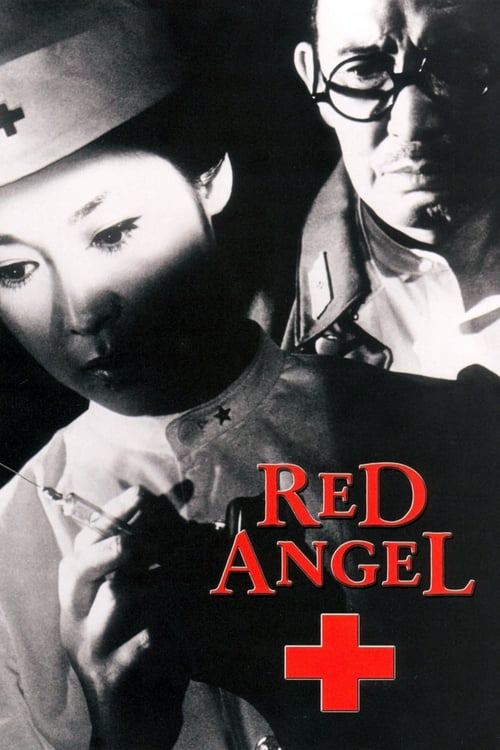
Red Angel
1966
No user ratings available yet
Representation score: 7.9 out of 10

Representation Score
Limited
2010
Director
Kaneto Shindō
Runtime
114 minutes
Average Rating
No ratings yetNew Showbiz Analysis
Kaneto Shindō uses his background in social realism to explore the human cost of war through a specific historical lens. The film avoids Western-centric war clichés, focusing instead on the personal tragedies following the conflict. While the film lacks modern multi-layered identity markers, it provides a humanistic critique of systemic forces. The narrative prioritizes the individual's struggle against the backdrop of a changing society. Ultimately, the film functions as a period-specific social drama. It finds its strength in historical realism rather than contemporary demographic representation.
Category Breakdown
The film does not include any LGBTQ+ characters or stories. It focuses on the bond between male soldiers and the relationship between a man and a widow.
The movie centers around Yuko, a woman dealing with the aftermath of war. It explores how systemic conflict affects her ability to survive and make decisions.
As a Japanese production, the film presents a non-Western viewpoint on World War II. It operates within a culturally specific, relatively homogeneous ethnic framework.
The film criticizes the costs of state-driven conflicts and the glorification of nationalism. It highlights the individual human burden over institutional or military achievements.
There is no mention of characters navigating physical, sensory, or neurodivergent disabilities. The film does not include such representation.
Present on Screen
Limited or Absent
Official Synopsis
Toward the end of World War II, middle-aged soldier Keita is entrusted with a postcard from a comrade who is sure he will die in battle. After the war ends, Keita visits his comrade's wife Yuko and bears witness to the tragic life she has led.
1966

1955

2006

1959

1947

1953

1966

1944
No reviews yet. Be the first to share your thoughts on this movie!
Use the rating form above to leave a star rating and optional review.