Postcard
2010
No user ratings available yet
Representation score: 3.4 out of 10
Representation Score
Good
1966
Not RatedDirector
Yasuzō Masumura
Runtime
95 minutes
Average Rating
No ratings yetNew Showbiz Analysis
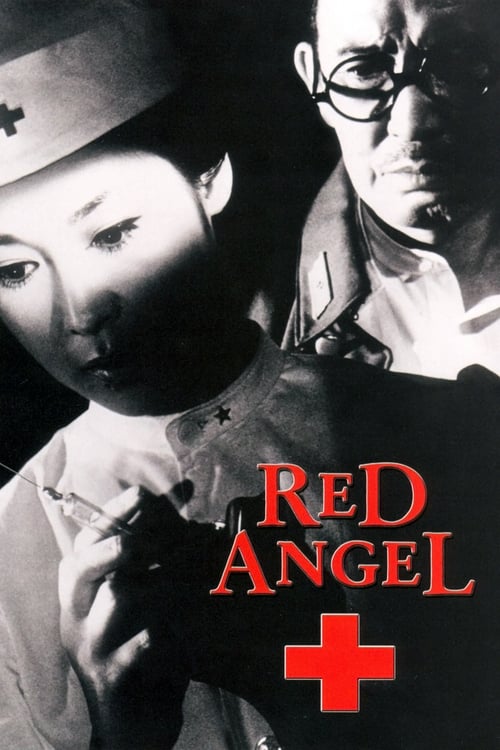
Masumura’s work succeeds by centering women's ability to drive the story and deconstructing social decorum. The protagonist's pursuit of unconventional affection disrupts traditional clichés, offering a nuanced look at psychological complexity amidst war. The film's strength lies in its moral relativism and its refusal to rely on didactic storytelling. By focusing on the chaotic truths of individuals, it challenges the corrosive nature of institutional structures. However, the film remains limited by its historical homogeneity and lack of explicit queer representation. While it explores unconventional intimacy, it does not feature specific LGBTQ+ narratives.
Category Breakdown
The film does not include explicit LGBTQ+ characters or non-cisgender identities. However, it explores unconventional intimacy and challenges rigid moral expectations.
Sakura Nishi subverts traditional gender roles through her intense desires and proactive actions. She is a complex character rather than a submissive or purely nurturing figure.
The cast is primarily Japanese, reflecting the era's homogeneous cinema. While set during the Sino-Japanese War, the film lacks a diverse, multi-ethnic cast.
The narrative focuses on individual subjectivity over institutional morality. It depicts military and medical ethics as insufficient, presenting traditional social stability as a facade.
Physical disability is portrayed as a central part of the human condition. The film avoids 'inspiration porn' by showing amputations due to wartime trauma.
Present on Screen
Limited or Absent
Official Synopsis
In 1939, Sakura Nishi is a young army nurse who is sent to the field hospitals in China during the Sino-Japanese war. She has to assist the surgeon Dr. Okabe with an incredible number of amputations. In the crowded wards, she gives sympathy to some of the soldiers, including sexually servicing one who has lost both arms and has no hope of returning home. She falls in love with Dr. Okabe, and follows him to the front, even though he is impotent from his morphine addiction.
2010
1959
1974
1959
1965

1985
1974

2010
No reviews yet. Be the first to share your thoughts on this movie!
Use the rating form above to leave a star rating and optional review.