
Private Entrance
1956
No user ratings available yet
Diversity score: 4.1 out of 10
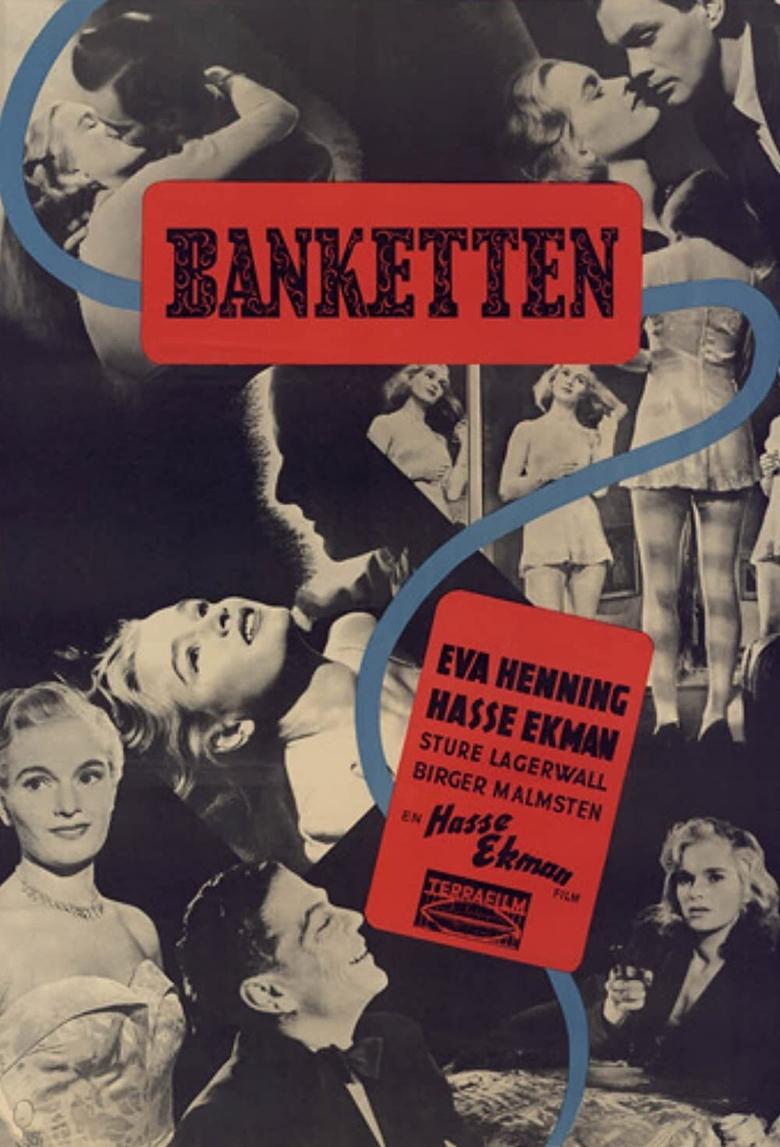
1948
Director
Hasse Ekman
Runtime
106 minutes
Average Rating
No ratings yetSynopsis
As his 60th birthday approaches, Jacob grows concerned that none of his sons is capable of running his company.
Overall Score
Limited
Category Breakdown
LGBTQ+ Representation
The film offers no visible presence of LGBTQ+ characters or themes. It adheres strictly to the standard social structures of 1948 Swedish cinema.
Gender Representation
The story centers on a patriarchal crisis regarding male heirs and company succession. While women exert psychological influence in private, power dynamics remain rooted in traditional hierarchies.
Racial & Ethnic Diversity
The film depicts a homogeneous upper-class Swedish social circle. There is no evidence of racial or ethnic diversity within the cast or setting.
Religious & Cultural Diversity
The narrative focuses on preserving traditional Western institutions like the nuclear family and capitalist enterprise. It reinforces familial continuity and socioeconomic stability.
Disability Representation
There is no evidence of characters with visible or invisible disabilities. Disability is not utilized as a narrative device or plot point.
Strengths
Areas for Improvement
AI Analysis
The Banquet is a period-accurate character study that reflects the rigid social hierarchies of mid-century Sweden. Its narrative is built around a patriarchal struggle for legacy, focusing almost exclusively on a homogeneous, upper-class demographic. Because the film functions as a traditional domestic melodrama, it lacks representation of marginalized identities. The central conflict is framed through a masculine lens of leadership and lineage, reinforcing established social and economic norms of the era. Ultimately, the film serves as a snapshot of 1940s social structures rather than a work that seeks to subvert or expand cultural boundaries.
1956
1963
1955
1948

1961
1961
1957

1964

1964
1919

1975
1957
No reviews yet. Be the first to share your thoughts on this movie!
Use the rating form above to leave a star rating and optional review.