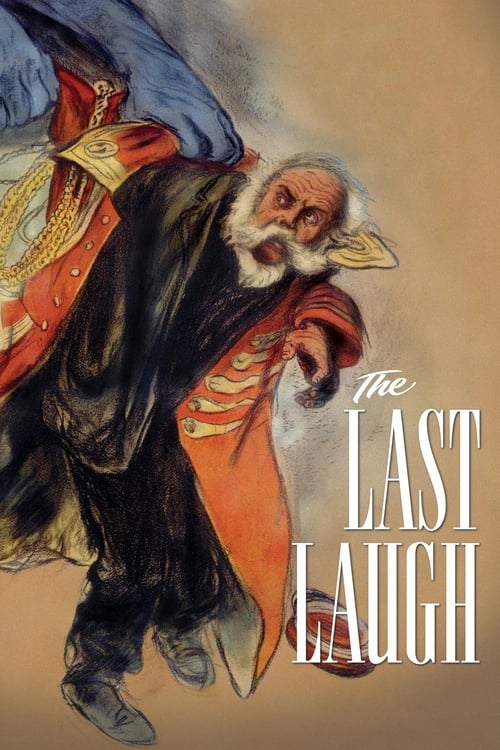
The Last Laugh
1924
No user ratings available yet
Representation score: 2.9 out of 10
Representation Score
Minimal
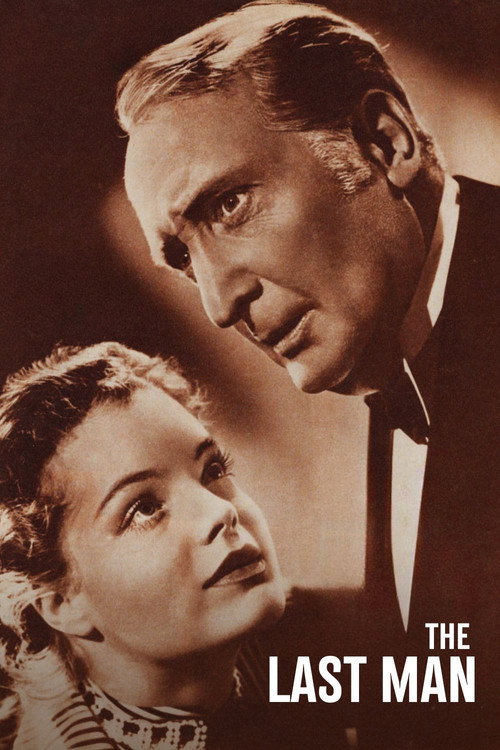
1955
Director
Harald Braun
Runtime
105 minutes
Average Rating
No ratings yetNew Showbiz Analysis
This mid-century character study emphasizes rigid social and professional hierarchies. It focuses on the erosion of status and the collapse of institutional authority within a hotel setting. The narrative lacks depth in representing multiple aspects of diversity, reflecting the demographic homogeneity of its era. It primarily addresses class struggles and patriarchal structures, reinforcing traditional social norms. Ultimately, the film is a product of its time, highlighting traditional values of paternalistic protection and professional decorum over diverse representation.
Category Breakdown
The film follows the social structures typical of 1950s West German cinema, where everyone is assumed to be straight or cisgender. There are no representations of LGBTQ+ narratives or identities that don't match the gender assigned at birth.
Gender roles are strictly traditional, emphasizing male professional standing. While Niddy is a key figure, her role is defined by her relationships with the men around her.
The setting presents a homogeneous social environment with no visible racial or ethnic diversity among the cast or the narrative.
The story centers on traditional ideas of duty and social decorum, exploring individual morality within a stable institutional framework without challenging systemic issues.
There are no specific depictions of physical or neurodivergent disabilities. The protagonist's struggle is related to his loss of professional status.
Present on Screen
Limited or Absent
Official Synopsis
Old Karl Knesebeck has long been head waiter and rules his waiters with an iron fist at the hotel. When the business passes into the hands of the heirs after the owner's death, he's in a difficult position. The unscrupulous Alwin makes advances toward Niddy, the owner's daughter, whose well-being Knesebeck watches over like a father. Alwin demotes the old man to toilet attendant – a tragedy that Knesebeck tries to salvage, especially since Niddy is about to marry Alwin and another man would actually be better for her...
1924

1961

1962
1951
1958
1963
1948
1950
No reviews yet. Be the first to share your thoughts on this movie!
Use the rating form above to leave a star rating and optional review.