Hanged Man's Farm
1945
No user ratings available yet
Diversity score: 2.8 out of 10
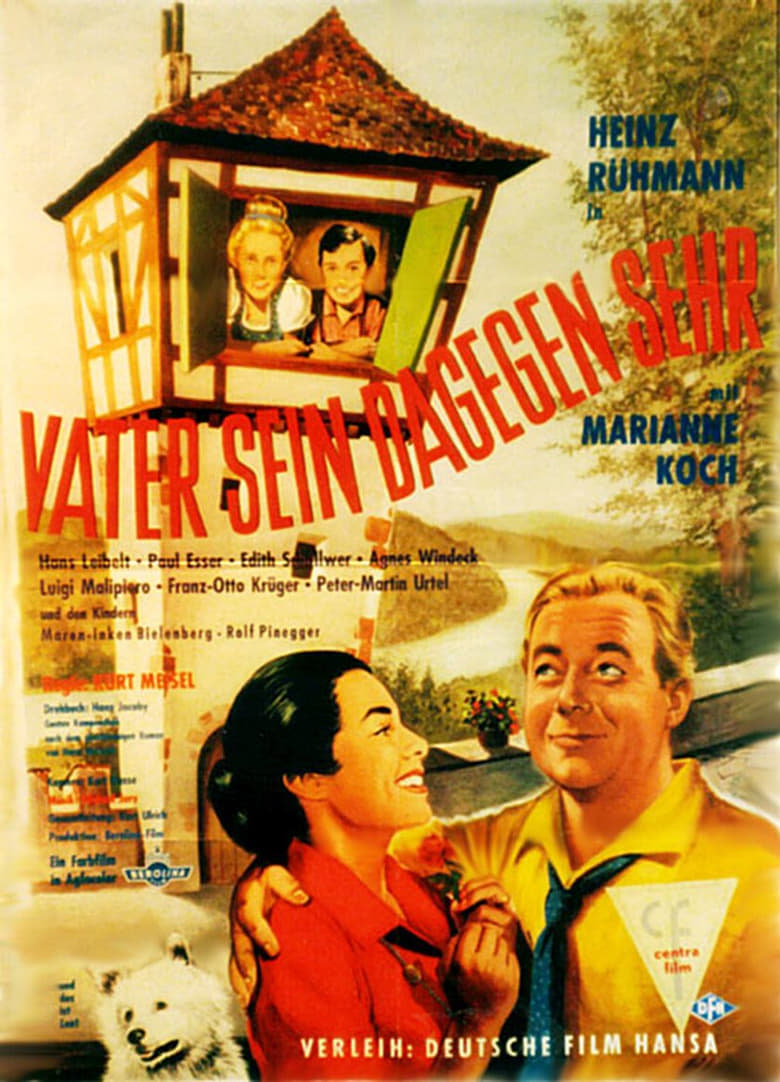
1957
Director
Kurt Meisel
Runtime
95 minutes
Average Rating
No ratings yetSynopsis
Margot is looking forward to moving into the old defense tower with her fiancé Lutz, a writer. Then the writer receives the news of his sister's death. Lutz is supposed to take in their children Traudl and Rudi and the dog Leo. Margot did not expect so much attachment...
Overall Score
Limited
Category Breakdown
LGBTQ+ Representation
The story focuses on a heterosexual engagement between Margot and Lutz. No non-cisnormative identities or critiques of heteronormativity are present.
Gender Representation
Roles align with mid-century tropes, centering on a male protagonist's shift to guardianship. Margot experiences unexpected domestic attachment, reflecting traditional gendered emotional labor.
Racial & Ethnic Diversity
The narrative reflects the homogeneous social landscape of 1957 West Germany. There is no indication of intersectional casting or non-white characters.
Religious & Cultural Diversity
Themes of death and familial obligation align with traditional Western values. The film focuses on the internal emotional landscape of a family unit.
Disability Representation
The synopsis contains no mention of characters with visible or invisible disabilities.
Strengths
Areas for Improvement
AI Analysis
This 1957 drama operates within the conventional dramatic frameworks of its era. The plot centers on a traditional crisis of domesticity, moving from romantic partnership to unplanned familial structure following a death. The film reinforces mid-century social hierarchies and the importance of the nuclear family. It lacks any intentional subversion of social norms or the inclusion of marginalized identities. Ultimately, the work adheres to the standard cinematic conventions of the late 1950s, focusing on duty and the complexities of sudden guardianship within a homogeneous setting.
1945
1941
1955
1953
1956

1967
1959
1948
1951
1941

1953
1976
No reviews yet. Be the first to share your thoughts on this movie!
Use the rating form above to leave a star rating and optional review.