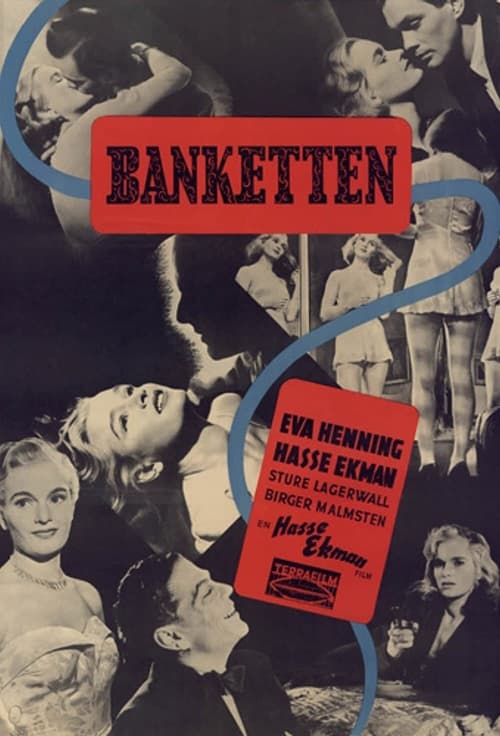
The Banquet
1948
No user ratings available yet
Diversity score: 2.0 out of 10

1956
Director
Hasse Ekman
Runtime
93 minutes
Average Rating
No ratings yetSynopsis
A seemingly ordinary day in October. A woman has since she separated from her husband lived in a single room with a separate entrance. But for her this is not an ordinary day. She only has six hours left to live.
Overall Score
Fair
Category Breakdown
LGBTQ+ Representation
The film explores a non-traditional domestic arrangement through a woman living alone after a separation. However, there is no clear evidence of specific queer identities or romantic arcs.
Gender Representation
The narrative centers on female autonomy and psychological depth. By focusing on a woman living independently from her husband, the film disrupts mid-century gender hierarchies.
Racial & Ethnic Diversity
The film likely reflects the demographic homogeneity of 1956 Swedish cinema. There is no evidence of multi-ethnic representation or race-bent casting.
Religious & Cultural Diversity
The story prioritizes individual morality and existentialism over religious dogma. The protagonist's isolation suggests a critique of traditional domestic and social institutions.
Disability Representation
While the protagonist faces a terminal physiological crisis, the narrative uses this as a plot driver rather than a study of disability or neurodivergence.
Strengths
Areas for Improvement
AI Analysis
Hasse Ekman’s drama is a sophisticated character study that prioritizes the internal landscape of its female protagonist. It succeeds in subverting mid-century social norms by granting a woman agency and a life outside the traditional marital structure. However, the film is limited by the historical context of its era. The lack of racial diversity and the absence of explicit LGBTQ+ identifiers keep the overall score modest. Ultimately, the film functions as a piece of psychological realism, focusing on personal truth and individual experience rather than broad societal archetypes.
1948

1950
1973

1965
1956
1971

1975
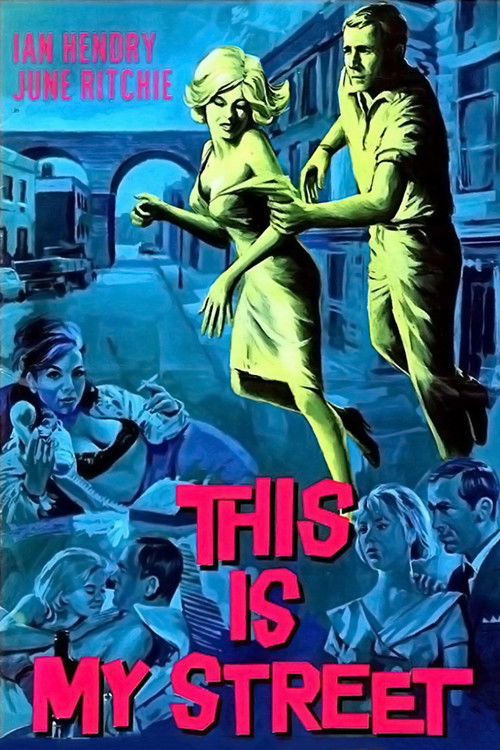
1964
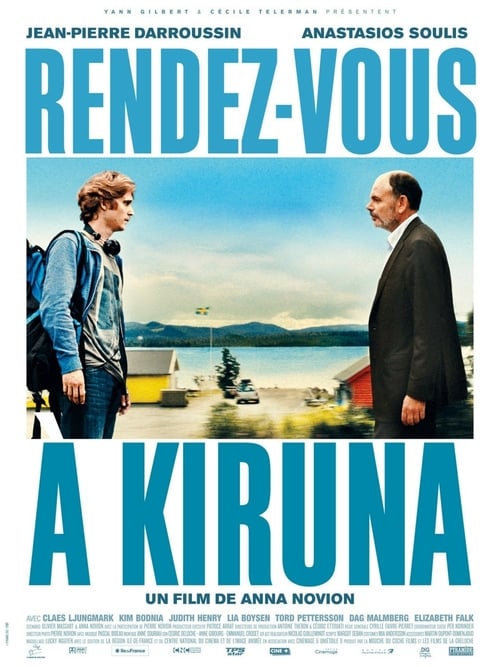
2013
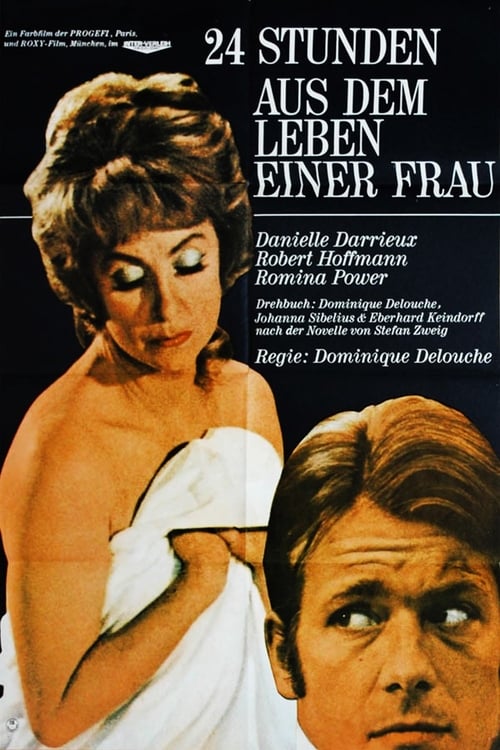
1968

1966
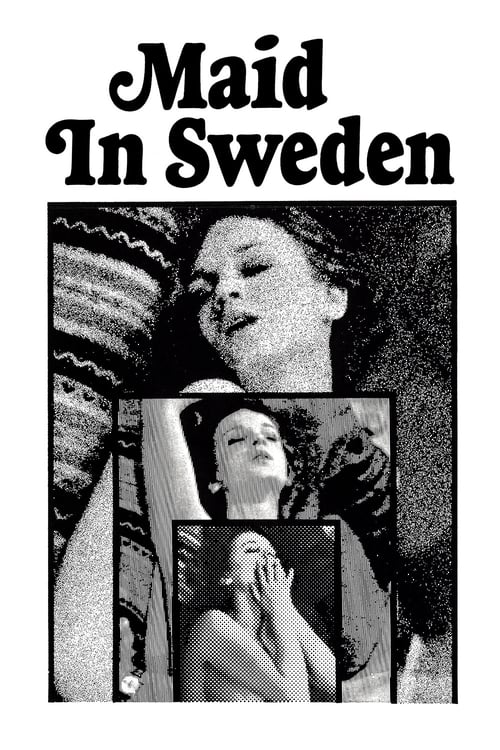
1971
No reviews yet. Be the first to share your thoughts on this movie!
Use the rating form above to leave a star rating and optional review.