
What Scoundrels Men Are!
1932
No user ratings available yet
Diversity score: 2.4 out of 10
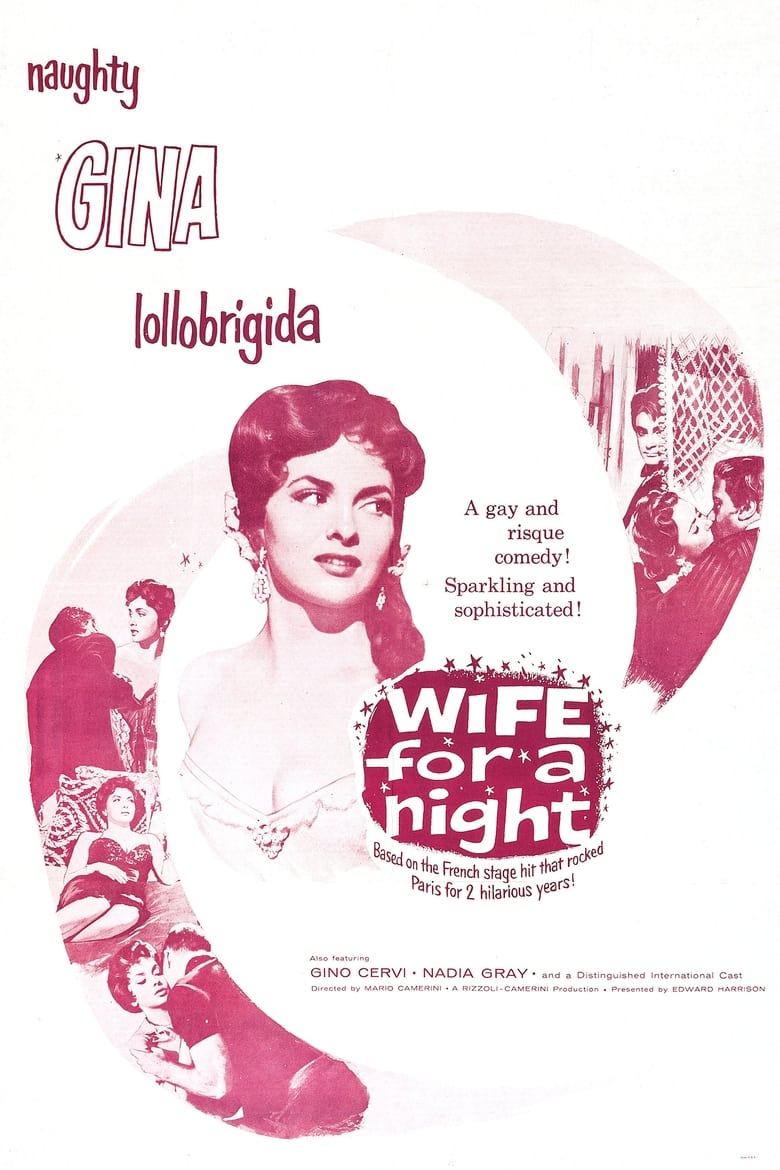
1952
Director
Mario Camerini
Runtime
84 minutes
Average Rating
No ratings yetSynopsis
A poor musician hires a courtesan to pose as his wife so he can "give" her to a wealthy count in return for patronage.
Overall Score
Limited
Category Breakdown
LGBTQ+ Representation
The film focuses on a transactional heterosexual arrangement. There is no evidence of queer subtext or non-cisnormative identities within the narrative.
Gender Representation
The plot reinforces patriarchal structures by treating the female lead as social currency. While the courtesan shows professional autonomy, her role serves the male protagonist's ambitions.
Racial & Ethnic Diversity
The cast appears homogeneous, reflecting mid-century Italian domestic comedies. The story focuses on local socioeconomic dynamics rather than racial or ethnic diversity.
Religious & Cultural Diversity
The film uses class struggle and social mobility as comedic devices. It explores class-based maneuvering rather than challenging religious morality or Western institutions.
Disability Representation
There are no documented instances of characters with visible or invisible disabilities. Neurodivergent representation is absent from the narrative.
Strengths
Areas for Improvement
AI Analysis
Mario Camerini’s comedy is a product of its era, prioritizing traditional social hierarchies over progressive subversion. The film uses gender and class as comedic levers rather than tools for systemic critique. The narrative architecture remains strictly within heteronormative and homogeneous bounds. It functions as a conventional social comedy that reflects the mid-century Italian landscape without attempting to disrupt established norms. Ultimately, the film lacks intersectional representation, focusing instead on the transactional nature of class mobility and romantic tropes common to the 1950s.
1932

1932
1941
1951

1945
1936
1932
1967

1936

1947
1946

1931
No reviews yet. Be the first to share your thoughts on this movie!
Use the rating form above to leave a star rating and optional review.