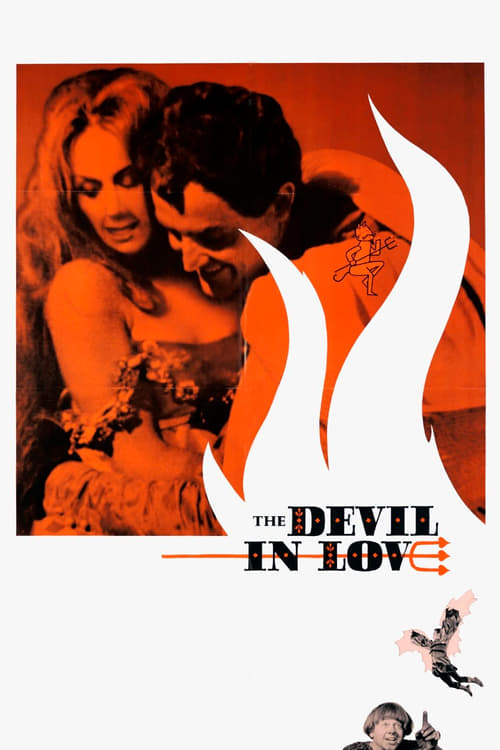
The Devil in Love
1966
No user ratings available yet
Diversity score: 4.0 out of 10
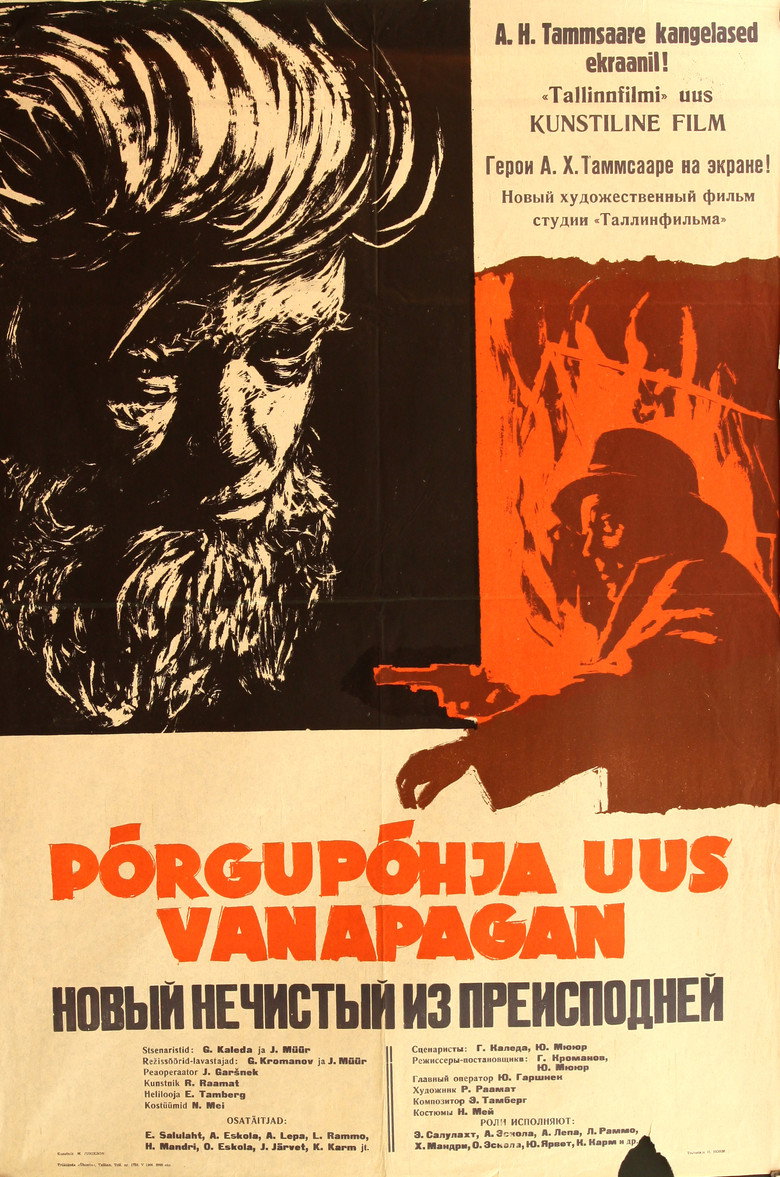
1965
Director
Jüri Müür, Grigori Kromanov
Runtime
94 minutes
Average Rating
No ratings yetSynopsis
The way Saint Peter explains it to the Devil who's knocking on Heaven's door to collect his share of souls: there will be no more souls, as God has come to doubt if humans are really meant to achieve salvation. If they aren't then how can they be punished posthumous and sent to Hell? There's only one way to make sure if sinning is the human nature, or is it that they simply don't want to better themselves - Devil himself must go down to Earth, in human form, and if he can achieve salvation then so can a human being... Based on A. H. Tammsaare's classic novel of the same name.
Overall Score
Fair
Category Breakdown
LGBTQ+ Representation
The film lacks explicit LGBTQ+ characters or non-heteronormative narratives. It focuses on a theological conflict that adheres to the conventional gender roles of 1965.
Gender Representation
The narrative centers on masculine archetypes of authority and temptation through Saint Peter and the Devil. There is no evidence of female agency driving the plot.
Racial & Ethnic Diversity
Reflecting the demographic reality of the Estonian SSR, the film is culturally and ethnically homogeneous. It prioritizes universal theological themes over racial or ethnic intersectionality.
Religious & Cultural Diversity
The film excels by challenging religious certainties and promoting moral relativism. It uses the Devil's journey to deconstruct dogmatic truths and explore the complexity of human nature.
Disability Representation
There is no mention of characters with visible or invisible disabilities. No evidence of such representation exists within the narrative.
Strengths
Areas for Improvement
AI Analysis
The film is a philosophical comedy that prioritizes existential inquiry over demographic breadth. It succeeds in subverting religious dogma by questioning the mechanics of salvation and sin through a skeptical lens. However, the production is limited by its historical and regional context. It lacks intersectional representation, focusing instead on a homogeneous cast and traditional masculine archetypes. Ultimately, while the film offers deep intellectual engagement with moral ambiguity, it remains narrow in its social and identity-based diversity.
1966
1962

1945
1973

2018
1969
1970
1984
1971
1983

1997

2015
No reviews yet. Be the first to share your thoughts on this movie!
Use the rating form above to leave a star rating and optional review.