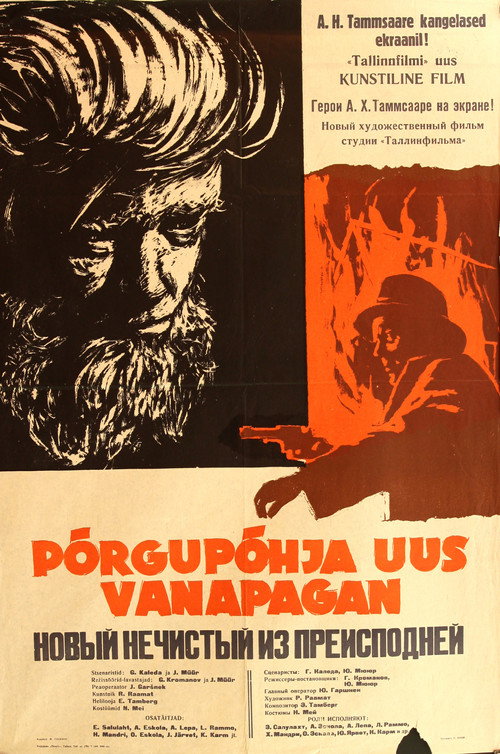
The New Devil of Hellsbottom
1965
No user ratings available yet
Diversity score: 4.7 out of 10

2018
Director
Marco Petry
Runtime
100 minutes
Average Rating
No ratings yetSynopsis
The life of 14-year-old Lilith is similar to that of a normal teenager, but there is a peculiarity: she is the daughter of the devil and lives with him in hell. Because she is totally bored there and also wants to have fun and explore the world, she makes a pact with her father: she is allowed to go to earth for a week - but she has to convert a good person to evil there. If she succeeds in this challenge, she may stay on earth forever, otherwise she'll be waving a hell of a boring job in the bookkeeping of the underworld.
Overall Score
Fair
Category Breakdown
LGBTQ+ Representation
The film lacks explicit evidence of LGBTQ+ identities or non-heteronormative relationship dynamics. Representation is not a primary driver of this supernatural coming-of-age story.
Gender Representation
Lilith serves as a proactive protagonist with significant agency. Her mission to manipulate human morality subverts traditional passive female roles in favor of active leadership.
Racial & Ethnic Diversity
The narrative prioritizes a metaphysical conflict over ethnic exploration. There is no evidence of diverse ensemble dynamics or intentional racial representation within the human world.
Religious & Cultural Diversity
The film disrupts Western moral frameworks by framing the daughter of the devil as a relatable teenager. It uses moral relativism to deconstruct traditional concepts of goodness.
Disability Representation
There is no evidence of physical or neurodivergent disabilities being depicted or included in the narrative.
Strengths
Areas for Improvement
AI Analysis
The film's narrative architecture excels at deconstructing traditional moral hierarchies. By centering on a character who views goodness as a hurdle, it employs a postmodern approach to ethics and institutional values. However, the work lacks explicit intersectional markers. The focus remains heavily on a mythological framework, leaving gaps in racial, ethnic, and LGBTQ+ representation. Ultimately, while the film challenges established ethical systems, it does not provide a diverse social landscape or specific representation of marginalized identities.
1965
1969
1966
2008
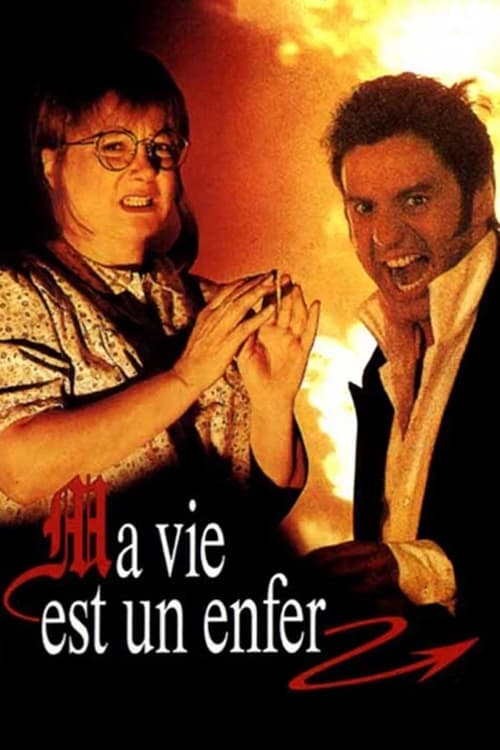
1991
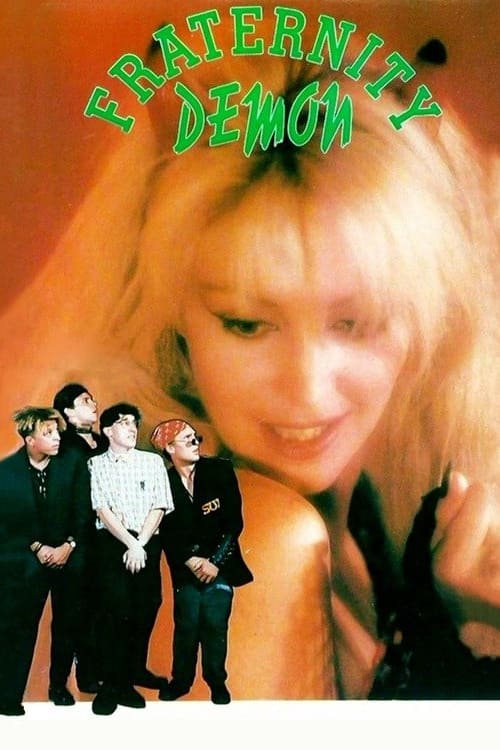
1992

2013

1948
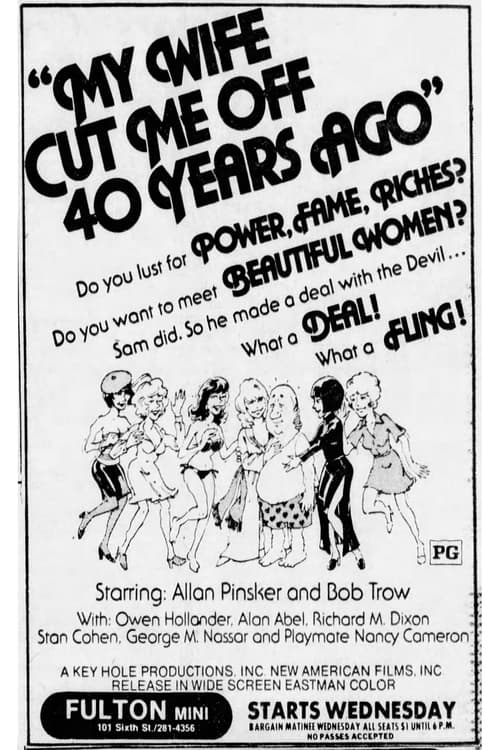
1976

1980

2006
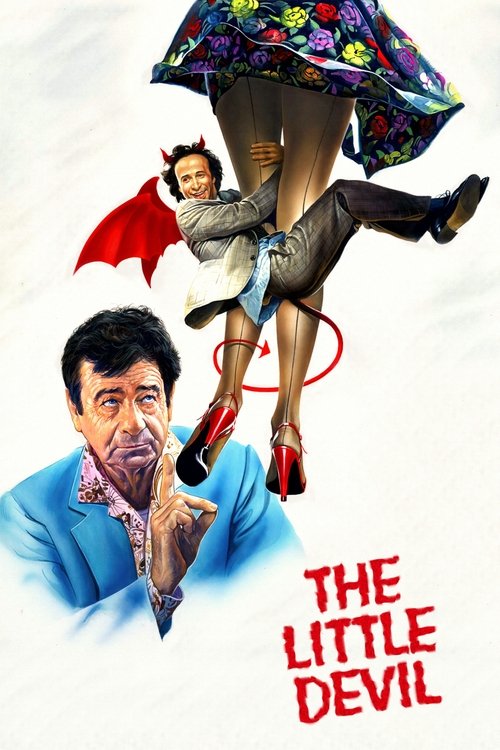
1988
No reviews yet. Be the first to share your thoughts on this movie!
Use the rating form above to leave a star rating and optional review.