The Love Pill
1972
No user ratings available yet
Diversity score: 3.8 out of 10
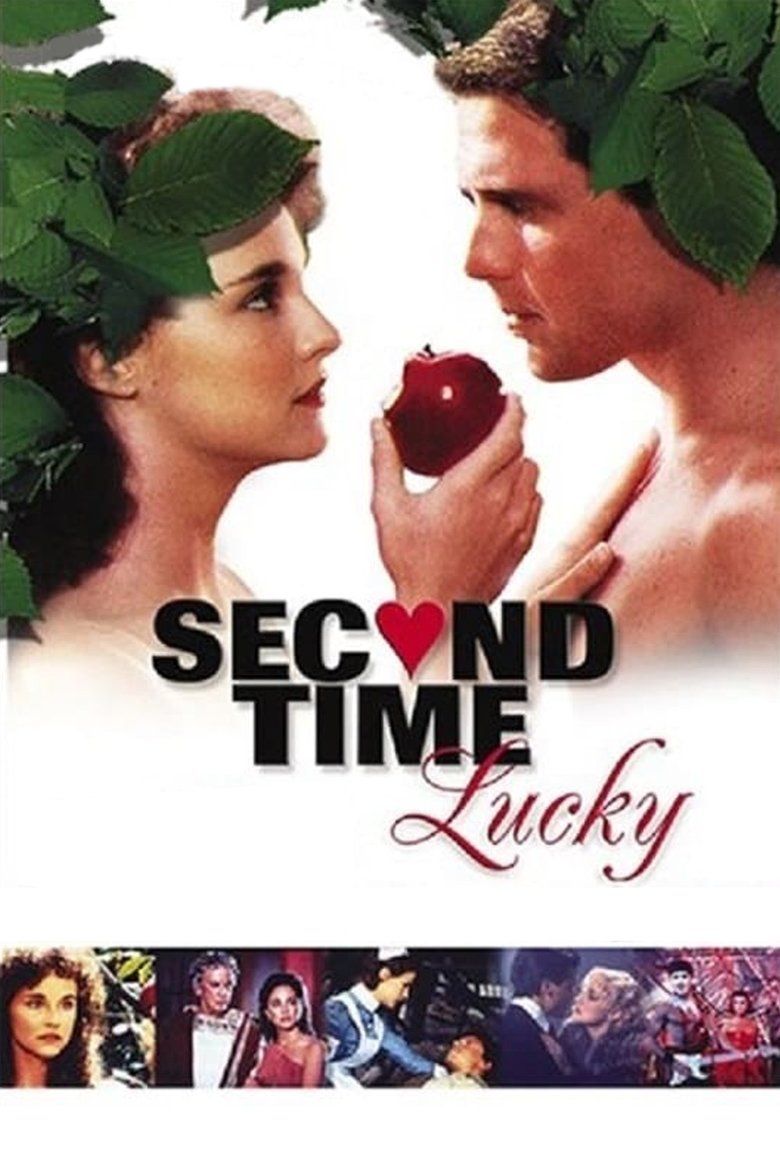
1984
Director
Michael Anderson
Runtime
101 minutes
Average Rating
No ratings yetSynopsis
In the beginning the Devil made a bet with God. The Devil backed Eve, God backed Adam. What would have happened to love and sex if Adam hadn't taken the bite?
Overall Score
Limited
Category Breakdown
LGBTQ+ Representation
The film lacks evidence of queer narratives or non-cisnormative identities. It appears to follow the baseline inclusion typical of mid-80s comedies.
Gender Representation
The story centers on the archetypes of Adam and Eve. While this allows for exploring gendered tension, it is unclear if the film empowers female agency.
Racial & Ethnic Diversity
The production likely adheres to traditional Western casting norms. There is no indication of a diverse or non-Anglo-Saxon majority cast.
Religious & Cultural Diversity
The film uses a theological wager as a comedic device. This approach treats sacred history as speculative storytelling, subtly challenging rigid religious morality.
Disability Representation
There is no information regarding the inclusion of characters with physical or neurodivergent disabilities.
Strengths
Areas for Improvement
AI Analysis
Second Time Lucky uses a high-concept mythological premise to explore human desire through a cosmic wager between God and the Devil. By deconstructing the story of Adam and Eve, the film functions as a speculative comedy that disrupts conventional religious narratives. While the film shows potential for subverting traditional hierarchies through its irreverent tone, it lacks intersectional complexity. The narrative focuses on foundational Western myths rather than modern social representation. Ultimately, the film's strength lies in its postmodern approach to sacred history, though it remains limited by the casting and thematic norms of its era.
1972
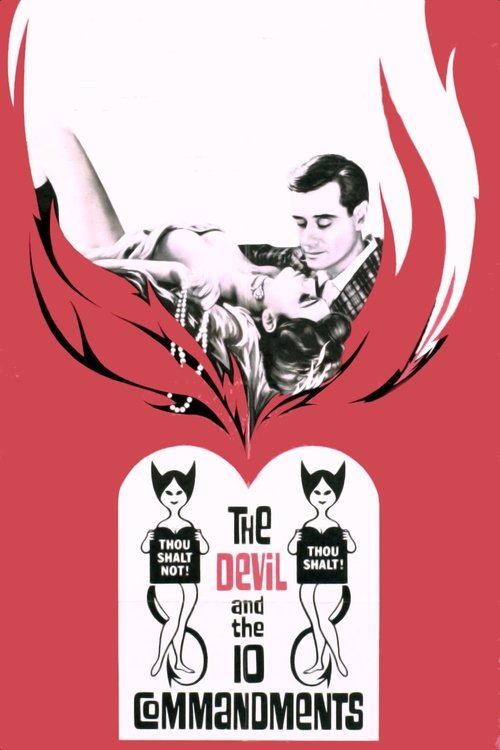
1962

1975
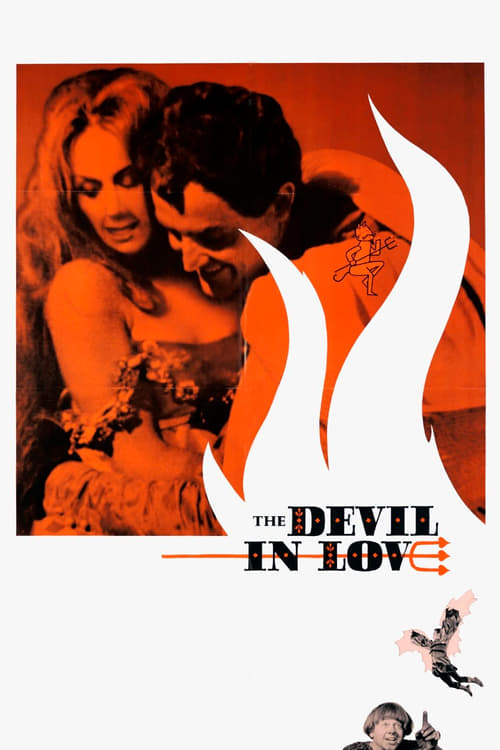
1966
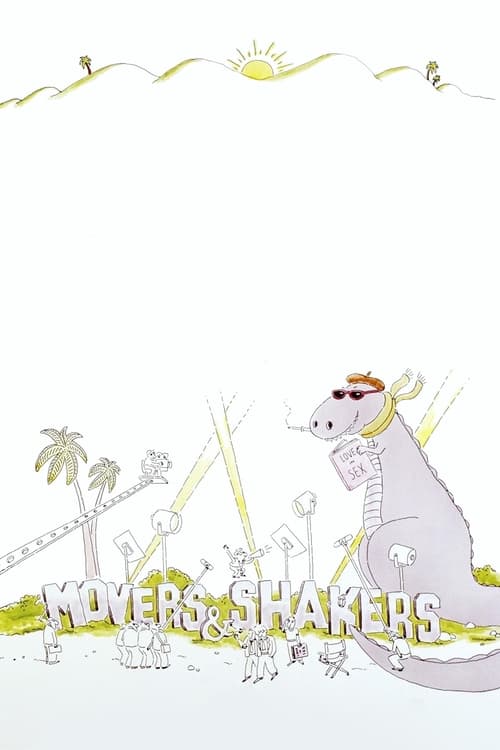
1985
1969
1970
1982
1982
1976
1973

1974
No reviews yet. Be the first to share your thoughts on this movie!
Use the rating form above to leave a star rating and optional review.