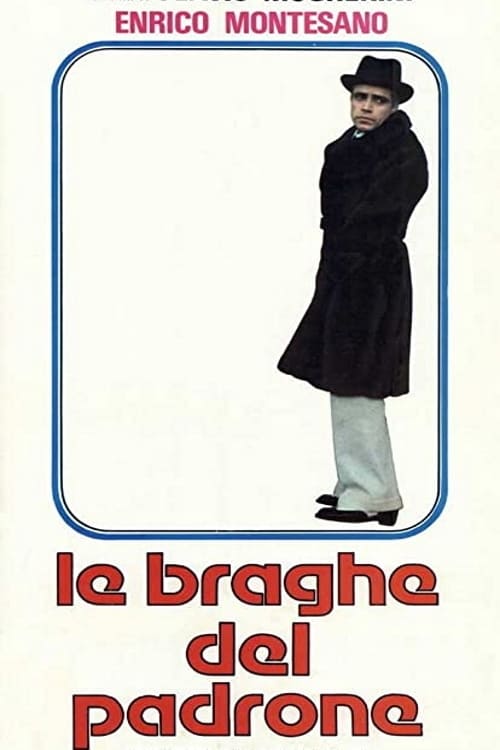
Le braghe del padrone
1978
No user ratings available yet
Representation score: 4.0 out of 10
Representation Score
Limited
1983
Director
Bruno Corbucci
Runtime
92 minutes
Average Rating
No ratings yetNew Showbiz Analysis
The film follows a traditional character study format within Italian comedic traditions. It relies heavily on established social hierarchies and religious institutions to drive the protagonist's redemption arc. While it explores themes of disgrace and recovery, it does so through a narrow, masculine lens. The narrative adheres closely to standard social expectations without challenging them. Ultimately, the film operates within a specific cultural framework, prioritizing a traditional moral journey over diverse representation.
Category Breakdown
The film centers on a protagonist's personal crisis and religious journey. It does not include non-straight or non-cisgender identities or critiques of heteronormativity.
The story is told from a male perspective, focusing on professional failure and traditional masculinity. It emphasizes roles like the fallen hero and spiritual guide.
The setting suggests a traditional Italian context. The narrative adheres to the demographic norms of its time and place.
The story involves the Catholic Church as a source of salvation. It portrays religious institutions as stabilizing forces within a traditional moral framework.
Physical injuries serve as a plot device for the protagonist's social decline. Characters with disabilities are not shown to have much control over their situations beyond their backstory.
Present on Screen
Limited or Absent
Official Synopsis
Bruno Marangoni, former center-forward of Rome, has fallen into disgrace due to a series of injuries, and now lives with gimmicks and small scams. At the height of despair he decides to commit suicide but is saved by the parish priest of a village, so he decides to move to the rectory
1978
1988

1955

1980

1993

2022
1992

2015
No reviews yet. Be the first to share your thoughts on this movie!
Use the rating form above to leave a star rating and optional review.