
The Unknown Policeman
1941
No user ratings available yet
Diversity score: 4.6 out of 10
1945
Director
Miguel M. Delgado
Runtime
100 minutes
Average Rating
No ratings yetSynopsis
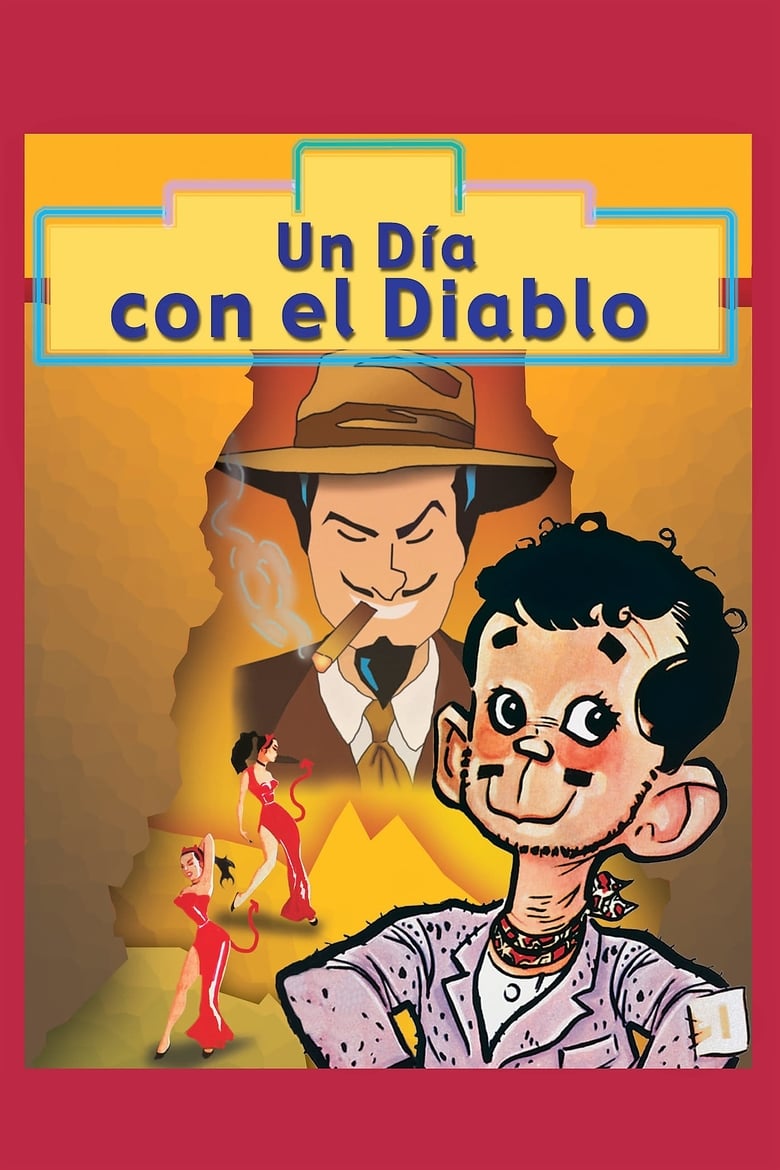
Cantinflas, on a drunken night, becomes Army soldier. Soon, he meets the Devil who tries to make it an evil being.
Overall Score
Fair
Category Breakdown
LGBTQ+ Representation
The film operates within the traditional social frameworks of 1945. There is no evidence of LGBTQ+ characters or narratives addressing non-heteronormative identities.
Gender Representation
The story focuses on the protagonist's journey through military and supernatural elements. Female characters appear to lack agency, likely relegated to supporting or domestic roles common to the era.
Racial & Ethnic Diversity
As a product of the Mexican Golden Age, the film centers Mexican identity and vernacular. It provides a localized cultural perspective that departs from Hollywood-centric racial hierarchies.
Religious & Cultural Diversity
The narrative uses a personified Devil to explore subjective morality and religious iconography. It playfully critiques established institutions and state-sanctioned authority through comedic disruption.
Disability Representation
There is no documented evidence regarding the portrayal of physical or neurodivergent disabilities in this work.
Strengths
Areas for Improvement
AI Analysis
One Day with the Devil is a product of the mid-century Mexican Golden Age, reflecting the social constraints of 1945. It finds its strength in cultural centering, using the 'peladito' archetype to navigate socioeconomic struggles through wit. The film offers a localized expression of agency, subverting rigid patriarchal and military structures through comedy. However, it lacks modern intersectional markers, particularly regarding gender agency and LGBTQ+ representation. Ultimately, the work provides moderate progressive value by deconstructing institutional discipline and centering a Latin American cultural context over Anglo-centric norms.
1941

1963

1947

1944

1949

1962

1952

1969
1954
1965
1966
1984
No reviews yet. Be the first to share your thoughts on this movie!
Use the rating form above to leave a star rating and optional review.