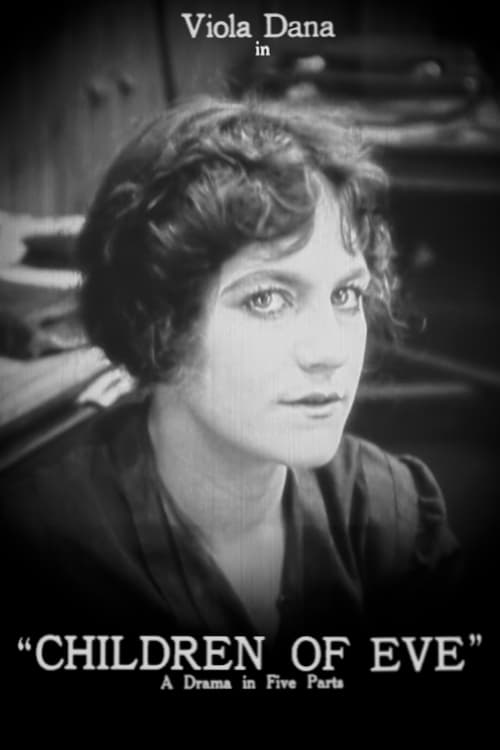
Children of Eve
1915
No user ratings available yet
Diversity score: 3.3 out of 10

1928
NRDirector
Cecil B. DeMille
Runtime
119 minutes
Average Rating
No ratings yetSynopsis
High school students led by the Girl and Boy turn from Christianity toward secret atheistic meetings. When a girl is accidentally killed by a stairway collapse, the Girl and Boy go to reform school where they are treated brutally.
Overall Score
Fair
Category Breakdown
LGBTQ+ Representation
The film lacks any depiction of non-heteronormative identities. Interpersonal dynamics remain strictly within a traditional heteronormative framework.
Gender Representation
The narrative centers on the female experience of social ostracization. It deconstructs traditional tropes by focusing on the systemic consequences of female transgression.
Racial & Ethnic Diversity
The cast is largely homogeneous, reflecting the small-town religious setting of the era. There is no significant racial blending within the character arcs.
Religious & Cultural Diversity
The film offers a sophisticated critique of religious institutionalism. It portrays authorities as hypocritical and explores the tension between secular inquiry and dogma.
Disability Representation
There are no significant portrayals of physical or neurodivergent disabilities. The reform school scenes focus on institutional violence rather than disability agency.
Strengths
Areas for Improvement
AI Analysis
The Godless Girl is a period piece that prioritizes thematic subversion over demographic breadth. While it fails to include LGBTQ+ or diverse racial identities, it succeeds in offering a sharp critique of religious and social institutions. The film's strength lies in its willingness to challenge the moral authority of the community. By framing the protagonists as victims of a judgmental social gaze, it moves beyond simple morality plays to explore systemic oppression. However, the lack of intersectional representation remains a significant limitation. The narrative is confined to a homogeneous social landscape, which restricts its scope of human experience.
1915
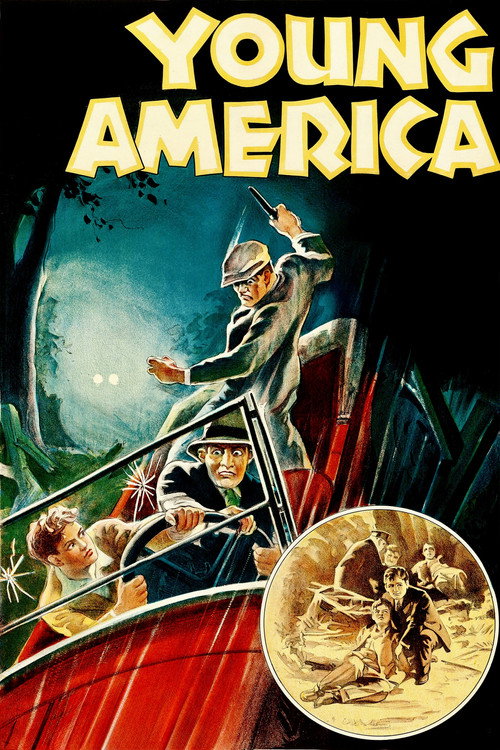
1932
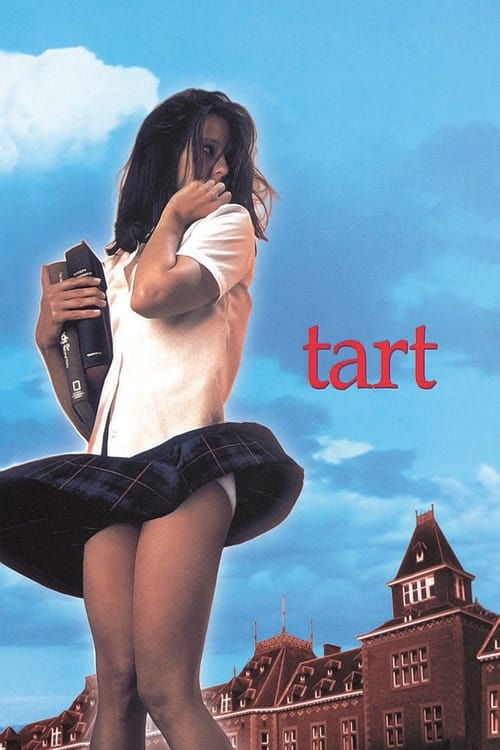
2001
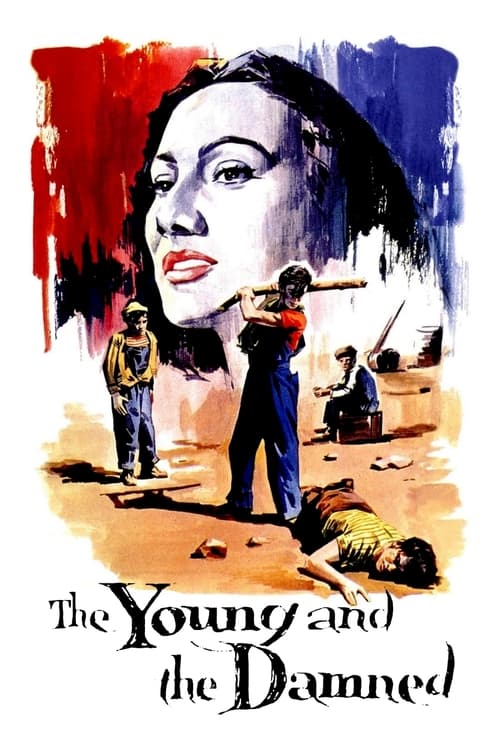
1950

1932

1933
2004
No reviews yet. Be the first to share your thoughts on this movie!
Use the rating form above to leave a star rating and optional review.