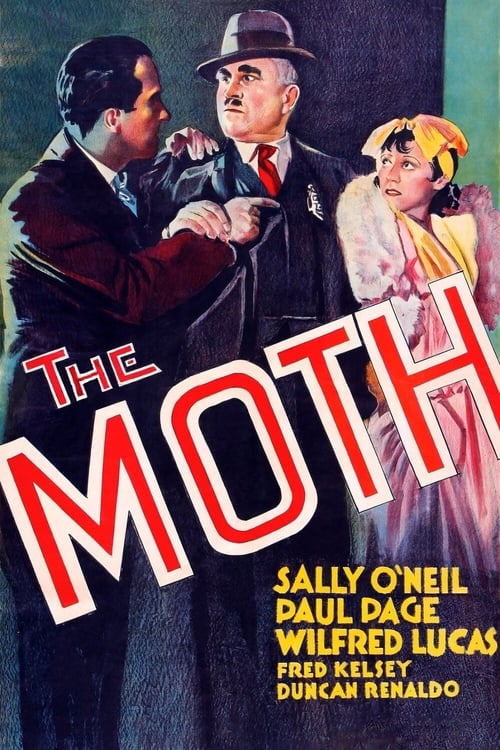
The Moth
1934
No user ratings available yet
Diversity score: 2.7 out of 10
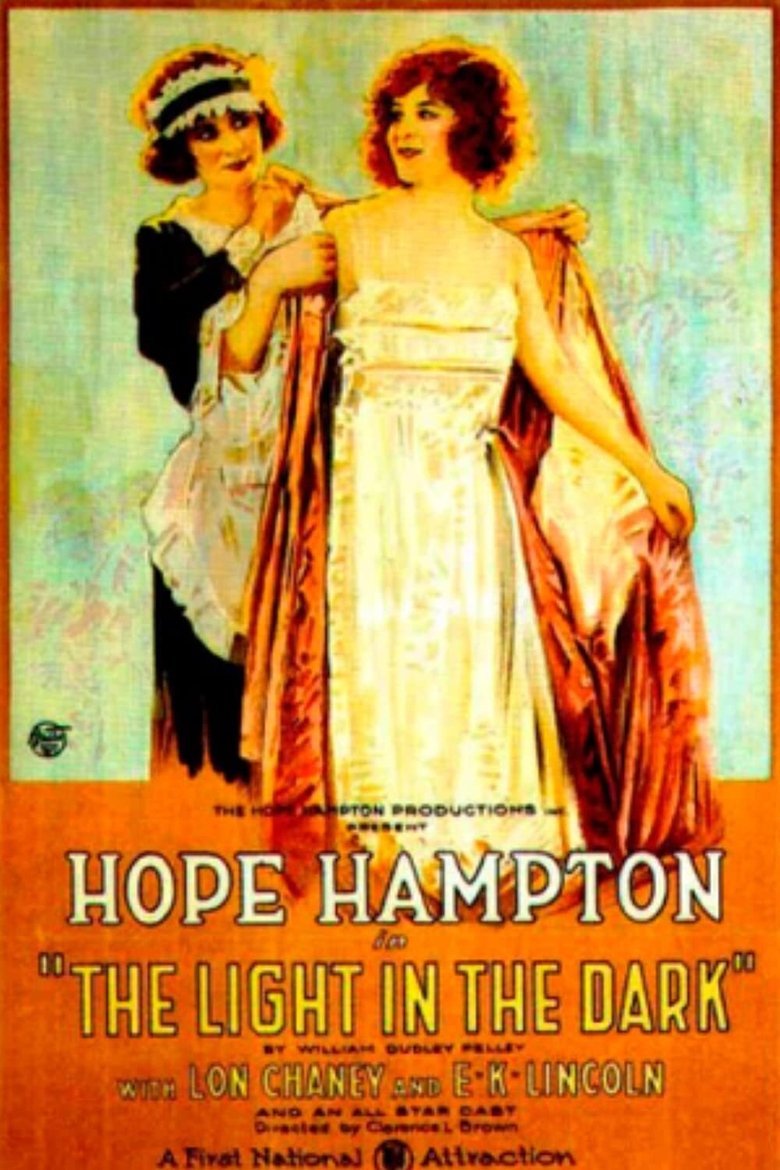
1922
Director
Clarence Brown
Runtime
63 minutes
Average Rating
No ratings yetSynopsis
A young girl is struck and seriously injured by a wealthy society matron's car. The woman brings the girl back to her house. Later, a hardened thief is told by the girl of a goblet, that could be the Holy Grail, which has healing powers and could help her. The thief, touched by her predicament, sets out to steal the goblet and bring it to her.
Overall Score
Limited
Category Breakdown
LGBTQ+ Representation
The film lacks any documented evidence of non-heteronormative identities. The story focuses on a central relationship between a child and a thief.
Gender Representation
A wealthy matron and a young girl are central to the plot. While the matron holds social power, the narrative follows traditional class-based dynamics.
Racial & Ethnic Diversity
There is no indication of a diverse cast or non-Anglo-Saxon characters. The film appears to adhere to the homogeneous casting standards of 1922.
Religious & Cultural Diversity
The plot utilizes the Holy Grail as a central motif for healing. It relies on traditional spiritual themes of redemption rather than critiquing religious institutions.
Disability Representation
A physical injury serves as the primary inciting incident. The injured girl functions more as a narrative catalyst than a character with nuanced agency.
Strengths
Areas for Improvement
AI Analysis
The Light in the Dark is a product of early 1920s dramatic conventions, prioritizing classical moral archetypes over social complexity. The narrative structure relies heavily on traditional hierarchies and religious motifs to drive its plot. While female characters occupy significant roles, they primarily exist within established social frameworks. The story lacks intersectional depth, focusing instead on a singular journey of redemption through a thief's selfless actions. Ultimately, the film reflects the homogeneous social and casting standards of its era, offering little disruption to the established cultural norms of the time.
1934
1929
1937
1946
1932
1929
1930
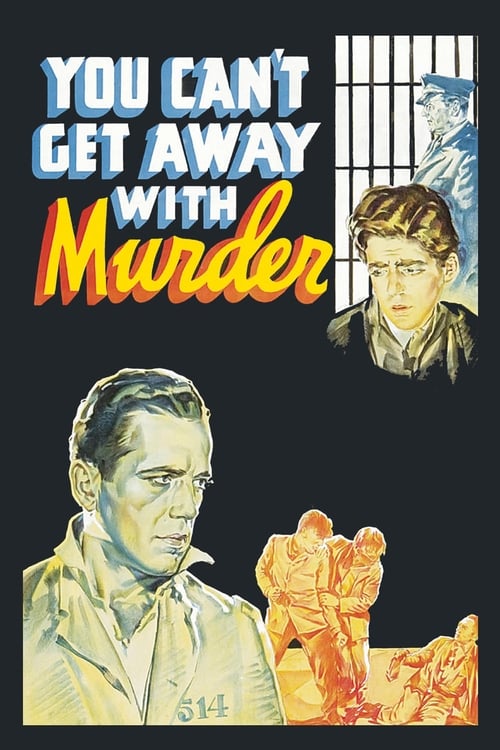
1939
1908
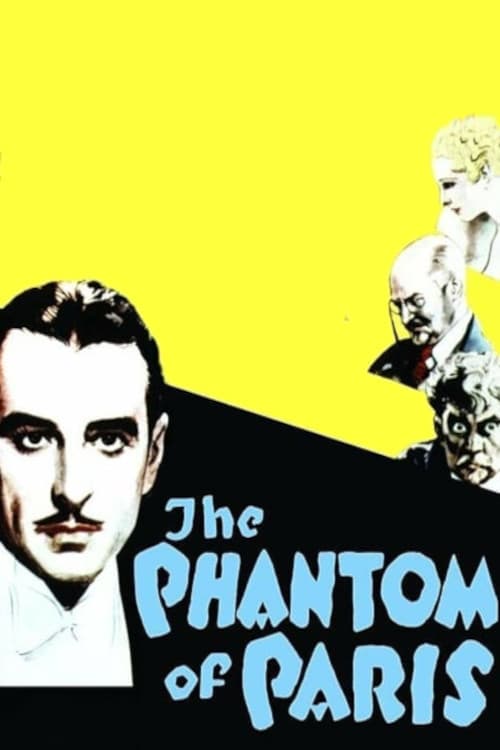
1931
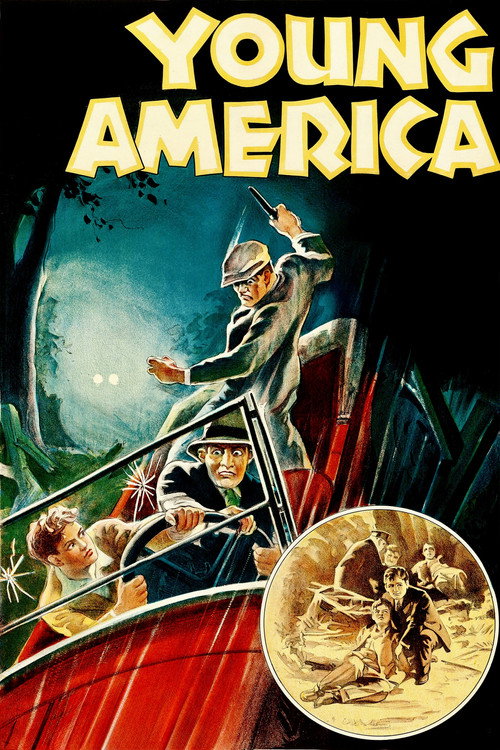
1932
1938
No reviews yet. Be the first to share your thoughts on this movie!
Use the rating form above to leave a star rating and optional review.