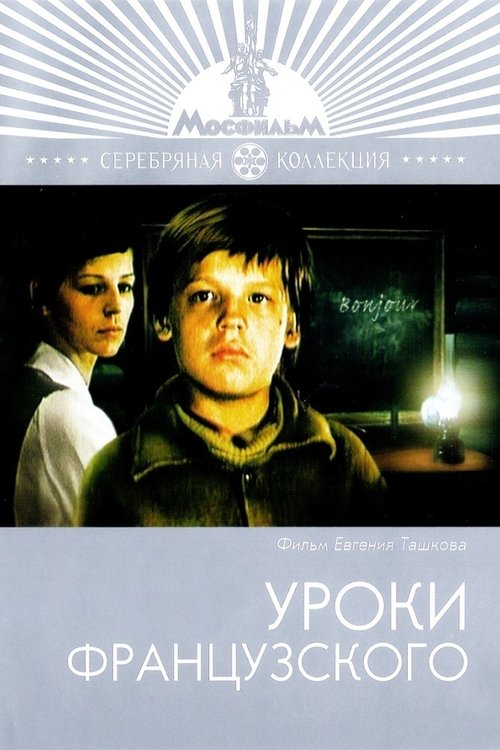
A French Lesson
1978
No user ratings available yet
Representation score: 4.8 out of 10

Representation Score
Good
1993
Director
Uzmaan Saparov
Runtime
88 minutes
Average Rating
No ratings yetNew Showbiz Analysis
Uzmaan Saparov’s drama shifts the historical lens away from Western-centric WWII narratives, focusing instead on the deportation of German-origin citizens in Turkmenia. This provides a unique perspective on ethnic identity and state oppression. While the film excels in cultural and ethnic representation, it remains narrow in its social scope. There is no evidence of LGBTQ+ themes or a systematic deconstruction of gender roles. Additionally, the portrayal of disability is limited to physical frailty rather than active ability to act.
Category Breakdown
The film does not include any explicit references to LGBTQ+ characters or non-straight relationships.
The story focuses on domestic survival and maternal care, but it does not challenge traditional gender roles.
The film offers a diverse cast representing various ethnicities, particularly highlighting the experiences of Turkmenian and German-origin citizens during WWII.
The narrative uses spiritual motifs to critique centralized institutional power, challenging rigid systems of control.
The film portrays physical vulnerability through the character of the sick Yashka, emphasizing frailty as part of the human condition under extreme hardship.
Present on Screen
Limited or Absent
Official Synopsis
A social drama. The period of the Second World War in Turkmenia. In Central Asia the deportation program of the Soviet citizens of German origin begins. All adults are taken to camps in Siberia and children are put in orphanages. The six-year old Georg hides from the Red soldiers and finds himself left almost alone in his, now abandoned, German village. The horrifying reality sets in. The daily routine of his life is shocking: What to eat? How to take care of his sick friend Yashka? How to bury Aunt Lisa? Under these inhuman circumstances, the soul of Georg remains miraculously uncorrupt – he still believes in Little Angel from a children’s song, and he makes a nest for it in a tree. A miracle takes place: sometimes a glass of milk is left for Georg in the nest; sometimes an ear of corn...
1978
1952

2018

2014
1969
2018
2010

2008
No reviews yet. Be the first to share your thoughts on this movie!
Use the rating form above to leave a star rating and optional review.