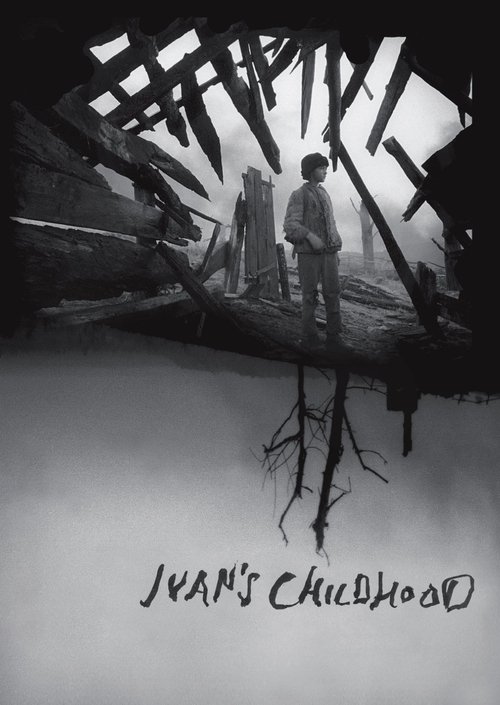
Ivan's Childhood
1962
No user ratings available yet
Representation score: 4.0 out of 10
Representation Score
Fair
1952
Not RatedDirector
René Clément
Runtime
87 minutes
Average Rating
No ratings yetNew Showbiz Analysis
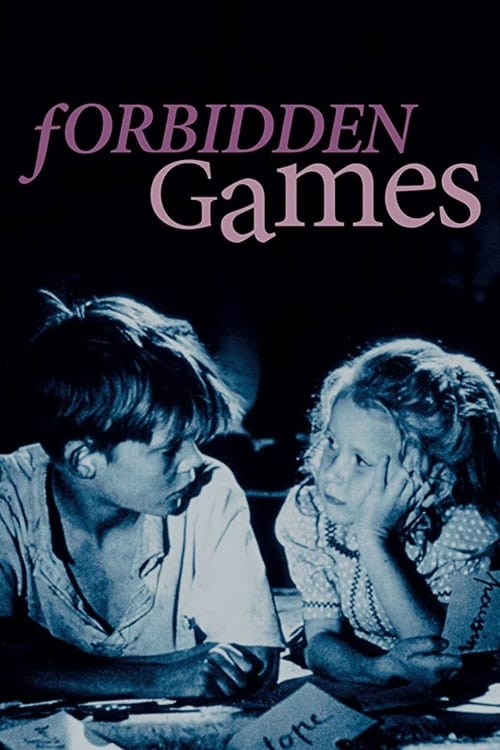
René Clément’s drama excels as a sophisticated study of human connections during systemic collapse. It uses the innocence of its young protagonists to critique the corrupt structures of adult conflict and wartime occupation. The film stands out through its nuanced portrayal of intimacy and the subversion of traditional coming-of-age stories. However, its historical setting limits its scope, especially concerning racial diversity. Overall, the work emphasizes psychological depth and the tension between personal experience and the chaos of a collapsing world.
Category Breakdown
The film focuses on a deep emotional bond between Paulette and Michel, which goes beyond simple friendship and offers a subtle departure from typical period-drama themes.
Paulette drives the story emotionally and takes control of her situation. However, the language used in the film's time period restricts a deeper exploration of gender power dynamics.
The story reflects the predominantly white population of rural France during the occupation. There is no characters who reflect more than one aspect of diversity of different races.
The narrative explores survival through moral relativism rather than triumphalism. It shows how wartime violence breaks down social and state institutions.
There are no prominent depictions of visible or invisible disabilities that play a central role in the narrative of this film.
Present on Screen
Limited or Absent
Official Synopsis
Orphaned after a Nazi air raid, Paulette, a young Parisian girl, runs into Michel, an older peasant boy, and the two quickly become close. Together, they try to make sense of the chaotic and crumbling world around them, attempting to cope with death as they create a burial ground for Paulette's deceased pet dog. Eventually, however, Paulette's stay with Michel's family is threatened by the harsh realities of wartime.
1962

1960
1987

1989
1988
1953
1985
2018
No reviews yet. Be the first to share your thoughts on this movie!
Use the rating form above to leave a star rating and optional review.