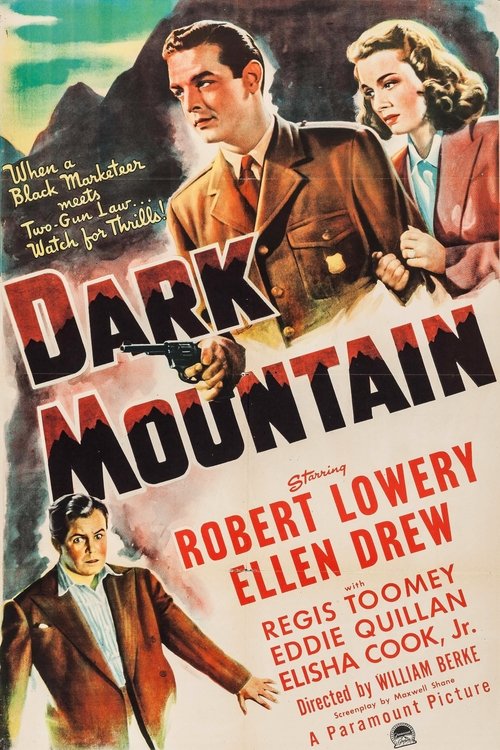
Dark Mountain
1944
No user ratings available yet
Representation score: 1.1 out of 10
Representation Score
Limited
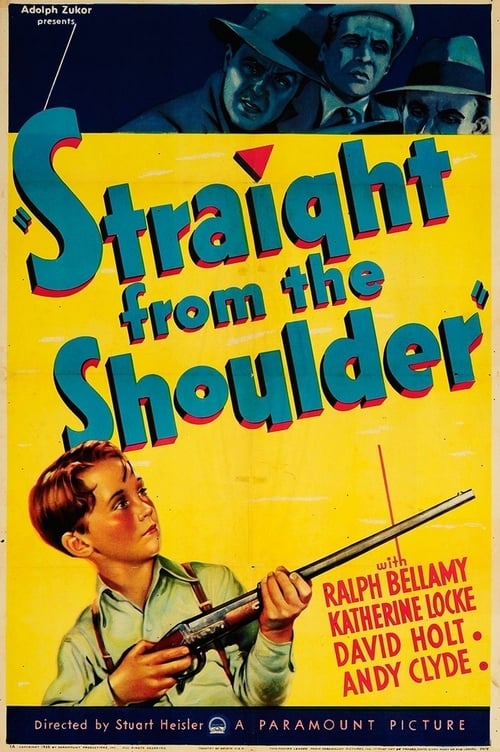
1936
ApprovedDirector
Stuart Heisler
Runtime
67 minutes
Average Rating
No ratings yetNew Showbiz Analysis
Straight from the Shoulder is a conventional 1930s crime drama that adheres to the social and narrative norms of its time. The plot revolves around a male witness and his son hiding in a mountain cabin, reinforcing traditional patriarchal and demographic structures. The film lacks multi-layered complexity, offering no visible representation of LGBTQ+ identities, diverse racial backgrounds, or characters with disabilities. It functions as a standard genre piece rather than a work that challenges existing social hierarchies. Ultimately, the film provides a baseline level of representation typical of mid-1930s studio productions, relying on established clichés rather than diverse or subversive storytelling.
Category Breakdown
The film does not include any characters with LGBTQ+ identities. It follows the conventions of 1930s studio cinema, which did not include such themes.
The story focuses on a male witness and his son, reflecting a traditional patriarchal structure. Female characters do not play significant roles or challenge gendered expectations.
The remote mountain setting suggests a homogeneous, Anglo-Saxon population. There are no specific details about racial or ethnic diversity in the narrative.
The plot explores tension between an individual and systemic authority. However, it operates within standard moral frameworks and does not offer a critical perspective.
The film does not feature any characters with physical or neurodivergent disabilities. The narrative does not address disability representation.
Present on Screen
Limited or Absent
Official Synopsis
A mob witness is hiding in a remote mountain cabin together with his young son.
1944
1937

1932
1948
1941
1940
1938
1951
No reviews yet. Be the first to share your thoughts on this movie!
Use the rating form above to leave a star rating and optional review.